
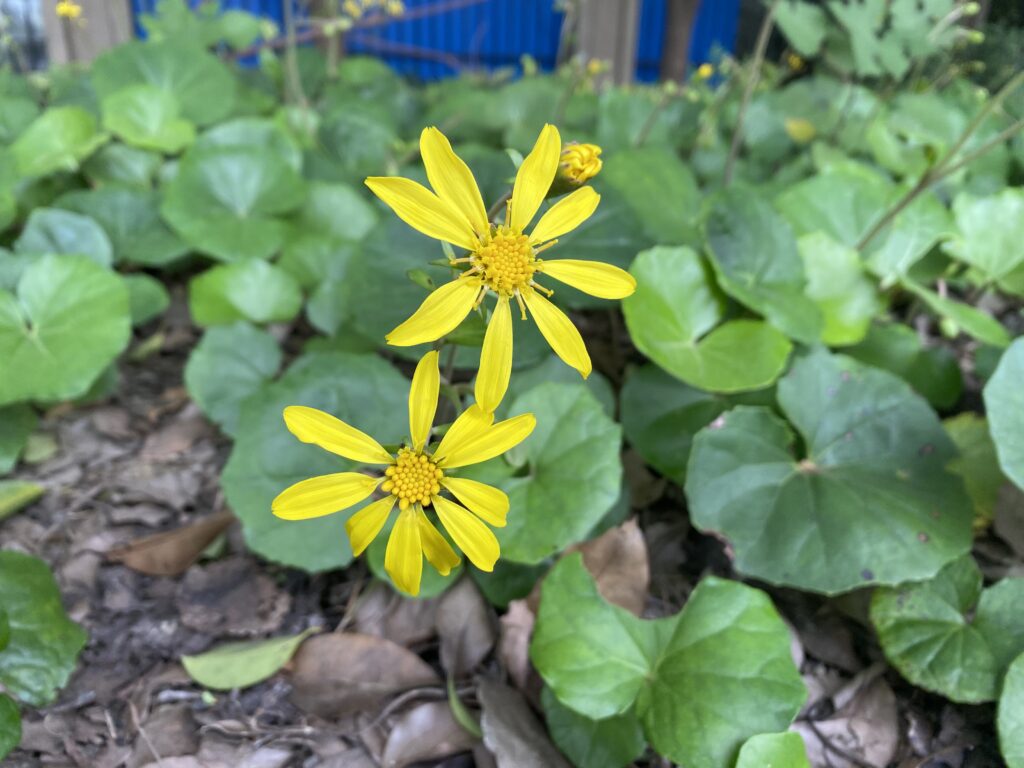
If you are looking for a bold, shade‑loving perennial that brings year‑round interest to your garden, the Leopard Plant (Farfugium japonicum) deserves a spot on your list. Loved by plant collectors in Asia and increasingly popular in North America and Europe, this species combines exotic foliage with cheerful autumn blooms. Let’s explore its background, features, and how to grow it successfully.
Botanical Classification
- Family: Asteraceae (Daisy family)
- Genus: Farfugium
- Species: Farfugium japonicum
- Common names: Leopard Plant, Green Leopard Plant, Tractor Seat Plant
The plant was once classified under Ligularia, so older references may still list it as Ligularia tussilaginea.
Native Range and Distribution
The Leopard Plant is native to coastal regions of Japan, Taiwan, and the Korean Peninsula, where it thrives in shaded woodlands and moist stream banks.
In recent decades, it has been introduced to Europe, the United States, and Australia as an ornamental perennial, particularly suited for mild, humid climates.
Morphology – What Does It Look Like?
- Foliage:
Large, glossy, kidney‑shaped leaves form a lush, evergreen mound. Many cultivars feature golden speckles or marbling, giving rise to the name “Leopard Plant.” Leaves can grow up to 30–40 cm (12–16 in) across, making them excellent as structural foliage. - Flowers:
In late autumn to early winter, tall stalks rise above the foliage bearing bright yellow, daisy‑like flowers. These blooms are not only a cheerful surprise in a dormant season but also attract late pollinators. - Overall habit:
Typically grows 50–70 cm (20–28 in) tall and wide, creating a dense, rounded clump that remains attractive year‑round.
Growth Habits and Requirements
- Light: Prefers partial to full shade; direct hot sun can scorch the leaves.
- Soil: Moist, humus‑rich, and well‑draining soil is ideal. It dislikes drought or waterlogging.
- Climate: Hardy in USDA Zones 7–10. In colder regions, provide winter protection or grow it in containers.
- Water: Consistent moisture is key; do not allow the soil to dry out completely.
Cultural and Garden Significance
In Japan, Farfugium japonicum has long been cultivated as a garden accent plant near traditional tea houses and shaded courtyards. Its shiny leaves symbolize endurance and tranquility, thriving where many plants struggle.
Because it remains evergreen, it is also used in floral arrangements and as a symbol of longevity in certain regional traditions.
Cultivation Tips for Gardeners
- Choose the Right Spot:
Plant in dappled shade, under trees or along north‑facing walls where other plants might fail. - Prepare the Soil:
Mix in organic matter such as compost to retain moisture while ensuring good drainage. - Water Regularly:
Especially during summer, keep the soil evenly moist. Mulching helps retain humidity. - Fertilize Lightly:
A balanced slow‑release fertilizer in spring will encourage lush foliage and more blooms. - Winter Care:
In regions with harsh winters, apply a thick mulch layer or grow in pots to move indoors. - Propagation:
Divide clumps every 3–4 years in early spring to maintain vigor and create new plants.
Why Choose Leopard Plant for Your Garden?
The Leopard Plant is more than just a foliage plant. Its year‑round green canopy, exotic speckled leaves, and bright autumn flowers make it a standout for shady borders, woodland gardens, or container displays. It also pairs beautifully with ferns, hostas, and other shade perennials.
In short:
The Leopard Plant (Farfugium japonicum) offers beauty, resilience, and cultural charm in one package. Whether you are designing a serene Japanese‑inspired corner or simply need an easy‑care evergreen for that difficult shaded area, this plant is a rewarding choice.
Looking for more plant profiles and care guides? Stay tuned as we update our site with fresh tips and inspiration every week! 🌱