
Why is the plum blossom so revered in Eastern culture? This article delves into its cultural symbolism as an emblem of hope, resilience, and rebirth. We explore how it evolved from an ordinary flower into a millennia-old cultural icon that has shaped art, philosophy, and modern lifestyles. Understanding the plum blossom meaning offers insight into its significance.
While cherry blossoms enjoy global acclaim, another equally captivating Eastern flower quietly tells a distinct story. The plum blossom—a flower that blooms amidst ice and snow—carries a symbolism far deeper than its delicate appearance suggests.
The plum blossom meaning extends beyond beauty, highlighting its role in various cultural narratives.
Quick Guide: Three Core Symbolic Layers
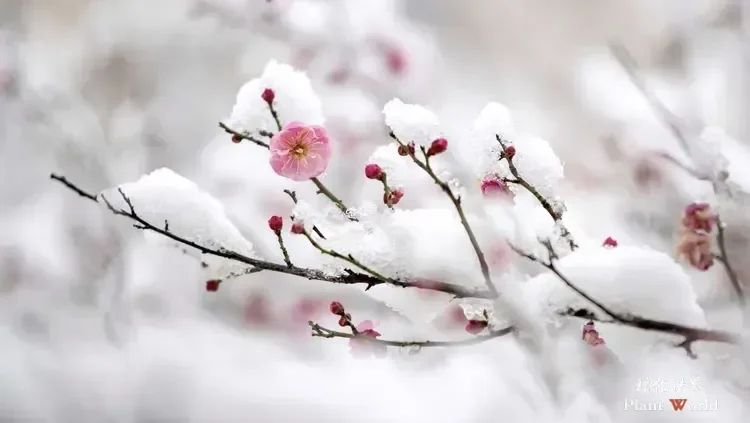
Understanding Plum Blossom Meaning in Cultural Context
- Hope and Rebirth: As winter’s earliest bloomer, it heralds spring’s arrival.
- Resilience and Perseverance: Blooming in harsh conditions, it embodies the strength to overcome adversity.
- Purity and Nobility: Its understated beauty represents inner qualities surpassing external adornment.
1. The Botanical Blueprint: Why the Plum Blossom is a Winter Rebel
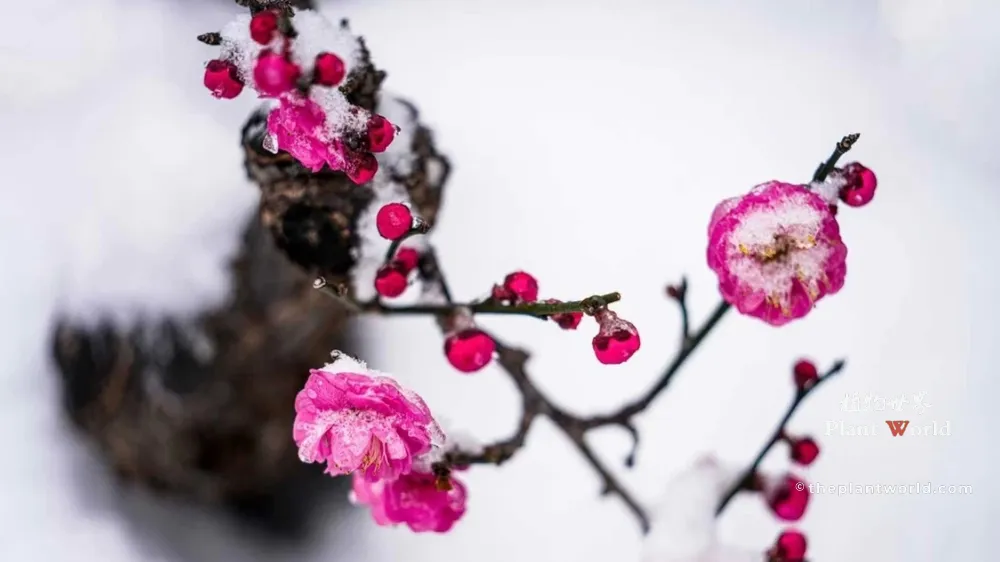
Before delving into symbolism, grasping the plum blossom’s biological traits is essential to understanding its “personality.”
The Science of Off-Season Blooming
Unlike most spring-flowering plants, the plum blossom chooses to bloom during the coldest months of the year (January to March). This is a masterful evolutionary strategy:
- Reduced Competition: Flowering in winter ensures more effective pollination when fewer plants are competing for attention.
- Chill Requirement: It requires “vernalization” (cold exposure) to break dormancy, literally turning the cold into a trigger for growth.
- Cold Tolerance: Specialized cellular structures prevent freezing damage, allowing petals to withstand frost.
Four Key Identification Marks
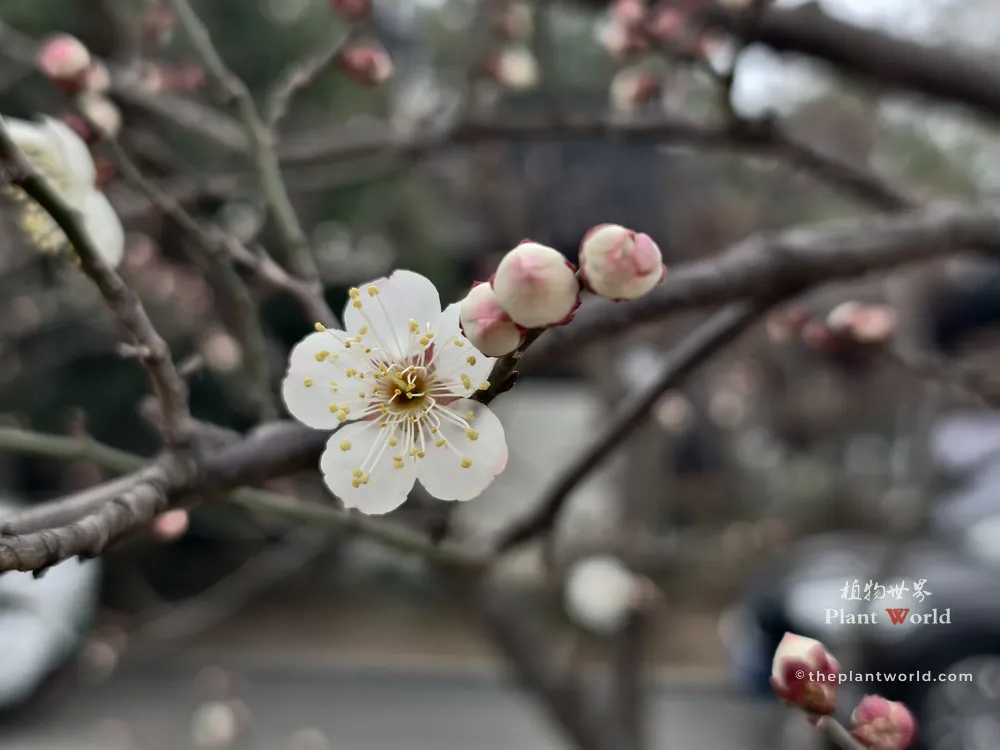
- Blooming Period: Late winter to early spring (well before cherry blossoms).
- Fragrance: A distinctive, richly sweet aroma, particularly pronounced in crisp air.
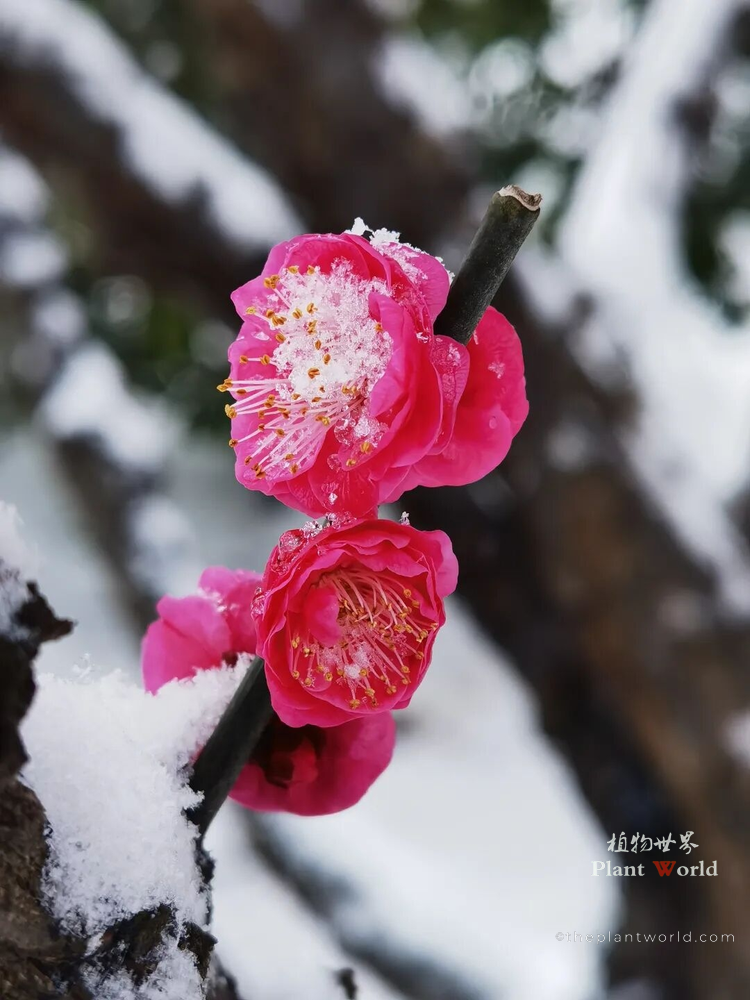
- Structure: Blossoms grow directly from branches with virtually no stalks.
- Bark: Dark, textured, and “weathered,” offering ornamental value even when flowerless.
2. In-Depth Interpretation of Cultural Symbolism
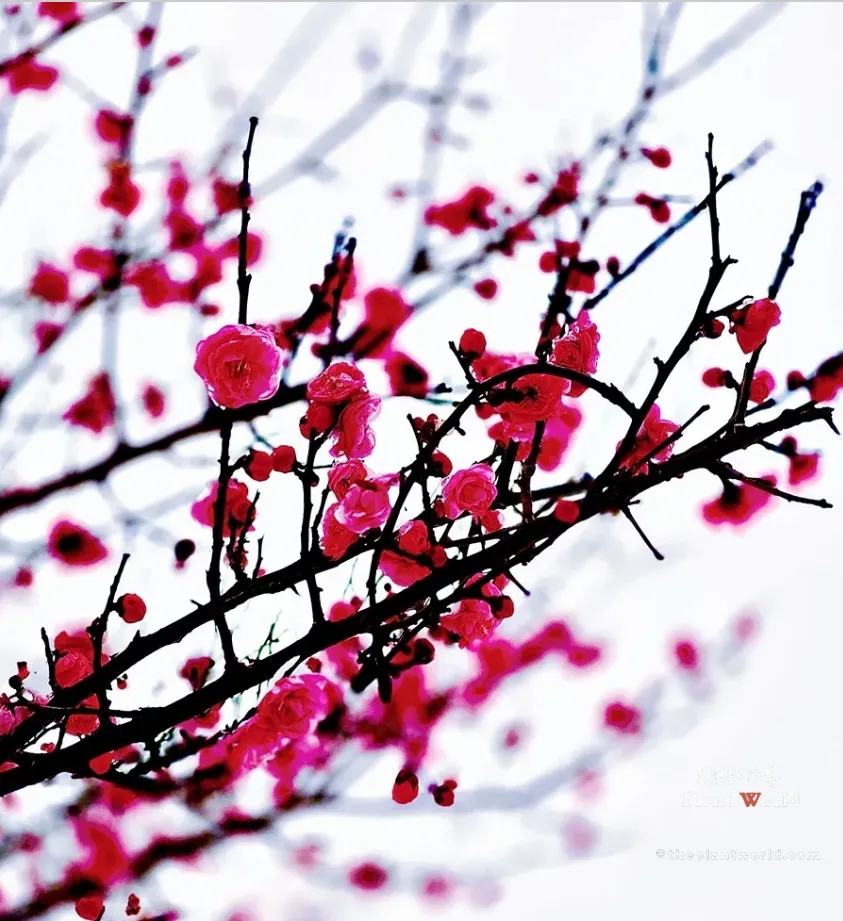
The Historical Context: One of the “Four Gentlemen”
The exalted status of plum blossoms in Chinese culture dates back over a millennium. Alongside the Cymbidium Orchid, Bamboo, and Chrysanthemum, it represents the ideal of preserving virtue amidst adversity.
- Confucian Perseverance: Upholding moral integrity during “social winters” or hardships.
- Taoist Naturalism: Finding strength by aligning with nature’s harshest cycles.
- Zen Enlightenment: Representing “Satori” (sudden awakening)—beauty emerging from humble conditions.
Western Equivalent Frameworks
For a global perspective, the plum blossom’s traditional meanings translate perfectly into modern Western concepts:
| Symbolism | Western Equivalent | Practical Application |
| Winter Bloom | Innovation in Adversity | Breakthrough Thinking in Business |
| Rugged Elegance | Wabi-sabi (Beauty of Imperfection) | Authentic Design & Personal Branding |
| Subtle Fragrance | Quiet Confidence | Authenticity & Inner Quality |
| Blooms Before Leaves | Essence First | Purpose-Driven Decision-Making |
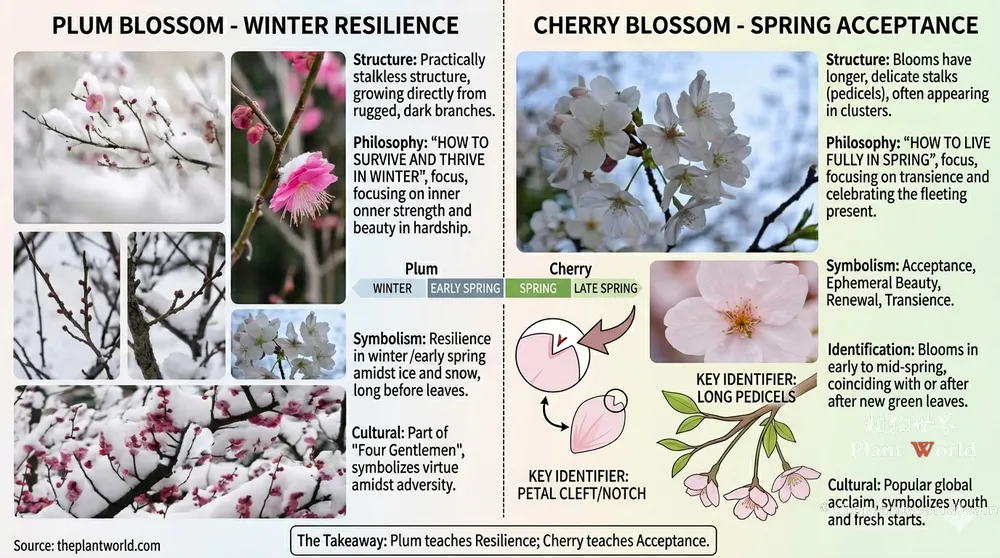
3. Symbolic Contrast: Plum vs. Cherry Blossoms
Many confuse these two flowers, yet their “souls” diverge sharply:
- Plum Blossom Philosophy: “How to Survive and Thrive in Winter”
- Focuses on inner strength and the beauty found within hardship.
- Cherry Blossom Philosophy: “How to Live Fully in Spring”
- Focuses on transience and celebrating the collective, fleeting present.
The takeaway: Plum blossoms teach us resilience; cherry blossoms teach us acceptance.
4. Beyond the Branch: The Plum Blossom in Modern Life
Today, the plum blossom’s symbolism transcends traditional art and finds its way into 21st-century culture:
- Tattoo Art: A popular choice for symbolizing a “transformative journey” or personal triumph over trauma.
- Corporate Branding: Adopted by tech startups to represent “disruptive innovation” (blooming when others can’t).
- Mental Health: Served as a visual metaphor for post-traumatic growth and psychological resilience.
5. Horticultural Practice: Bringing the Symbol Home
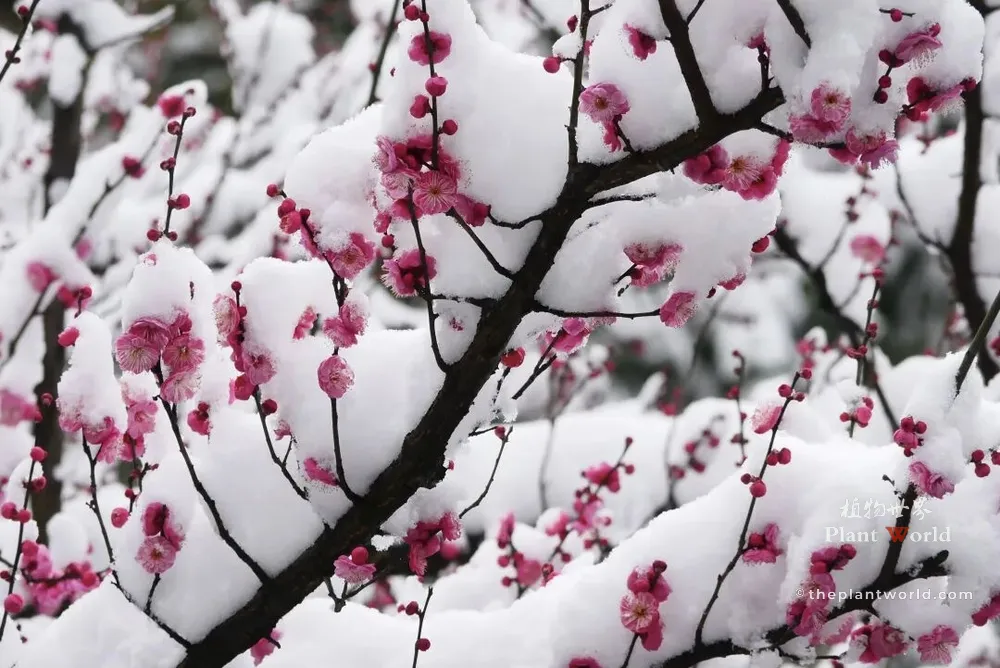
Why is plum gardening gaining traction in Western gardens?
- Four-Season Interest: Provides color when the rest of the garden is dormant.
- Low-Maintenance Strength: Embodies “enduring resilience” by requiring minimal fuss once established.
- Sensory Rareness: A source of intense fragrance in the middle of winter.
Quick Planting Tips:
- Varieties: ‘Peggy Clarke’ (pink) or ‘Mount St. Helens’ (white).
- Zones: Thrives in USDA Zones 6-9 in well-drained soil.
- Placement: Plant near a window to enjoy the winter blooms from the warmth of your home.
It is a beloved Oriental ornamental for Western gardens and an iconic Chinese Garden Plant.
Conclusion: The Timeless Wisdom of a Single Flower
The plum blossom reminds us that true strength lies not in avoiding winter, but in learning to bloom within it. It offers a framework for resilience that transcends time and geography.
“True strength lies not in avoiding winter, but in learning to bloom within it.”
Whether you apply these lessons to a professional project, a personal challenge, or your garden, this flower remains one of nature’s most humble yet profound teachers.
Next time you face a “winter” in your life, think of the plum blossom. Share this article to spread a little bit of resilient hope today.
References
1、Prunus mume (Japanese Apricot / Plum Blossom) Botanical Profile
USDA GRIN Germplasm Resources Information Network. Botanical overview, hardiness, growth traits of Prunus mume.
2、Plum Blossom Symbolism in Chinese Art & Literati Culture
Stanford University Global Medieval Sourcebook. Historical poetry and cultural interpretation of meihua.
More from The Plant World:
- Chinese Wingnut: The Romantic “Ingot Tree” and Its Cultural Charm
- The Hidden Meanings Behind Red Plum Blossoms
- Chinese Wisteria: History, Symbolism, and Identification
- Peach Blossoms in China: History, Culture, and Symbolism
- Chinese Crepe Myrtle: Guide to Origins & Symbolism
- Ginkgo Leaf Meaning: 5 Secrets of This Ancient Fossil
- Chinese Loquat Tree: Guide to Benefits & History
- Strawberry Begonia Care: How to Grow Saxifraga Stolonifera
- The Hollyhock Flower: Hidden Meanings & Surprising Benefits
- Chinese Tulip Tree Care: Liriodendron chinense & Folklore
Discover more from The Plant World
Subscribe to get the latest posts sent to your email.