
If you are exploring the hosta plant benefits, you might be surprised to learn that this shade-loving perennial, one of the most beloved shade-loving Chinese herbaceous plants, offers far more than just beautiful foliage. Whether you are wondering when to plant hostas or how to use them, this ancient plant holds sacred secrets that bridge traditional Chinese heritage with modern gardening.
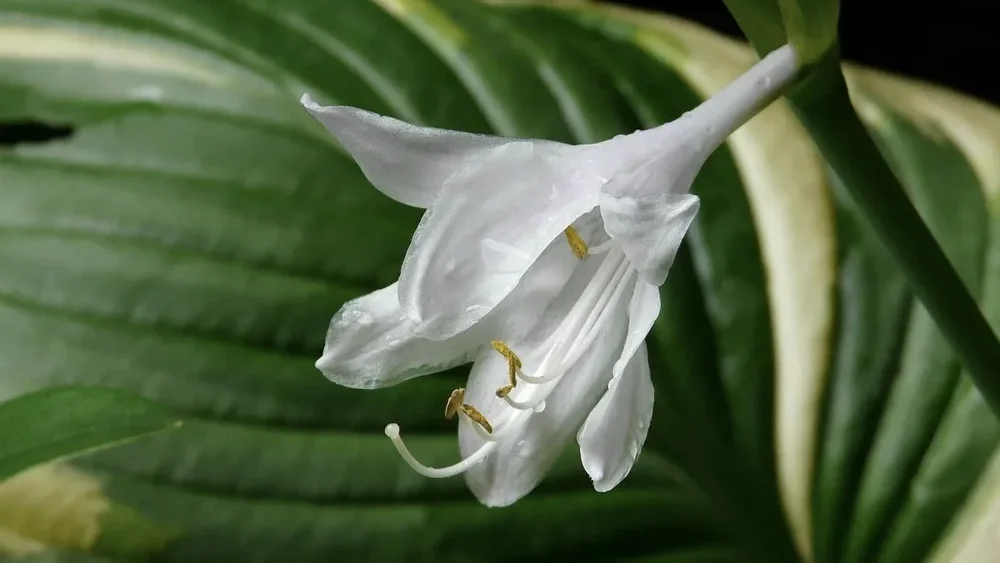
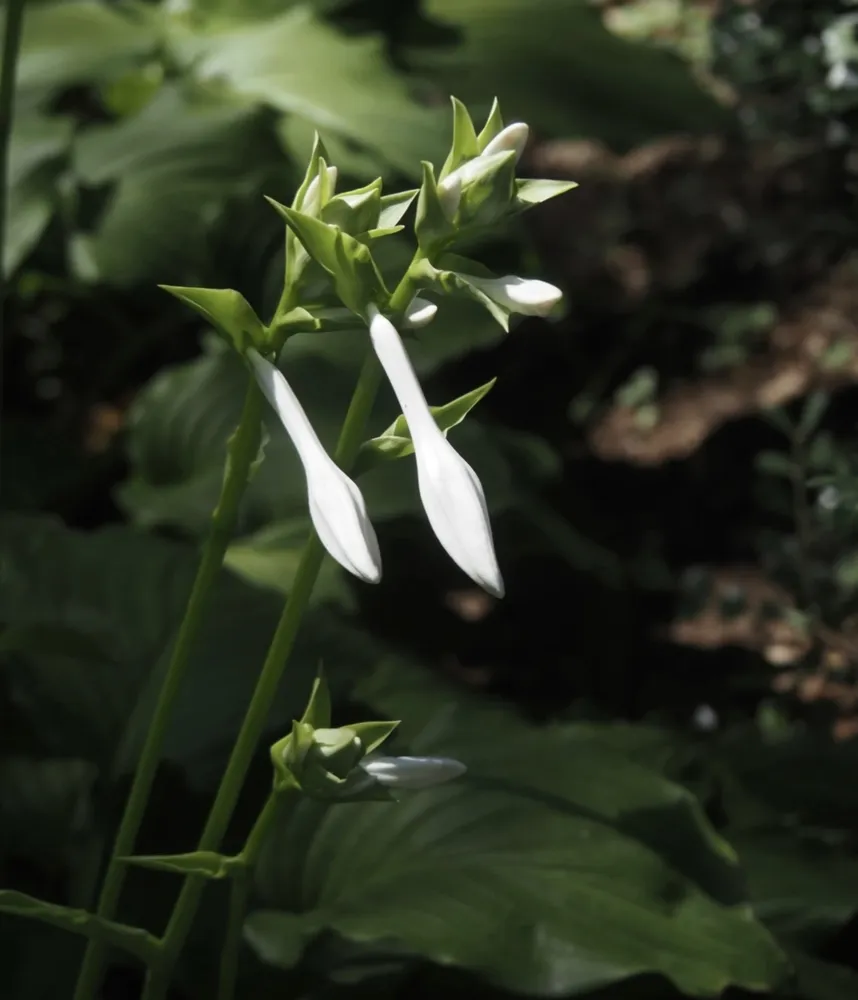
Between June and July, the fragrant plantain lily (Hosta plantaginea) quietly sends up tall flower stalks amid lush green foliage, crowned with pure white unopened buds releasing a subtle, delicate perfume. Known traditionally in China as the “jade hairpin flower” (玉簪花), it stands as a living symbol of purity, inner peace, and refined grace.
- 1. Ornamental Power: The Jade Hairpin of Shade Gardens
- 2. Edible Hosta Plant Benefits: A Gourmet Foraging Green
- 3. Medicinal Uses: Clearing Heat and Detoxifying
- 4. Ancient Cosmetic Secrets: The Imperial Beauty Hack
- 5. When to Plant Hostas & Essential Cultivation Tips
- Conclusion: Bringing Oriental Serenity to Your Backyard
- References & Botanical Sources
- More from The Plant World:
1. Ornamental Power: The Jade Hairpin of Shade Gardens
The name itself carries timeless Chinese elegance and poetic charm, and the plant lives fully up to its reputation. It boasts glossy emerald leaves and upright stems, with blossoms as white and smooth as carved jade.
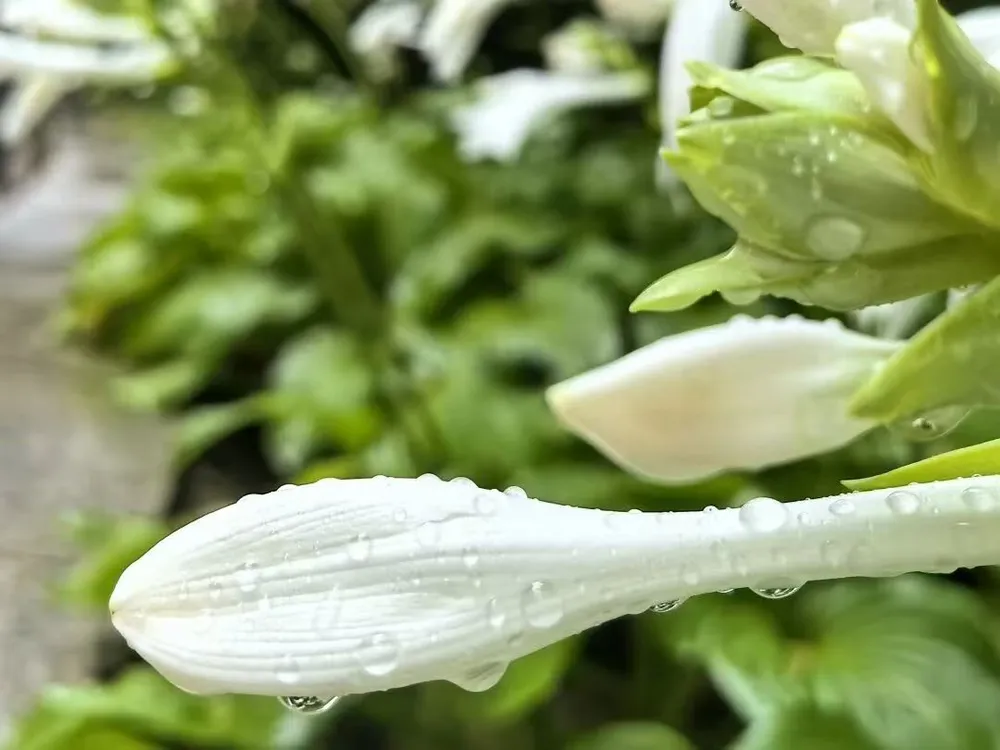
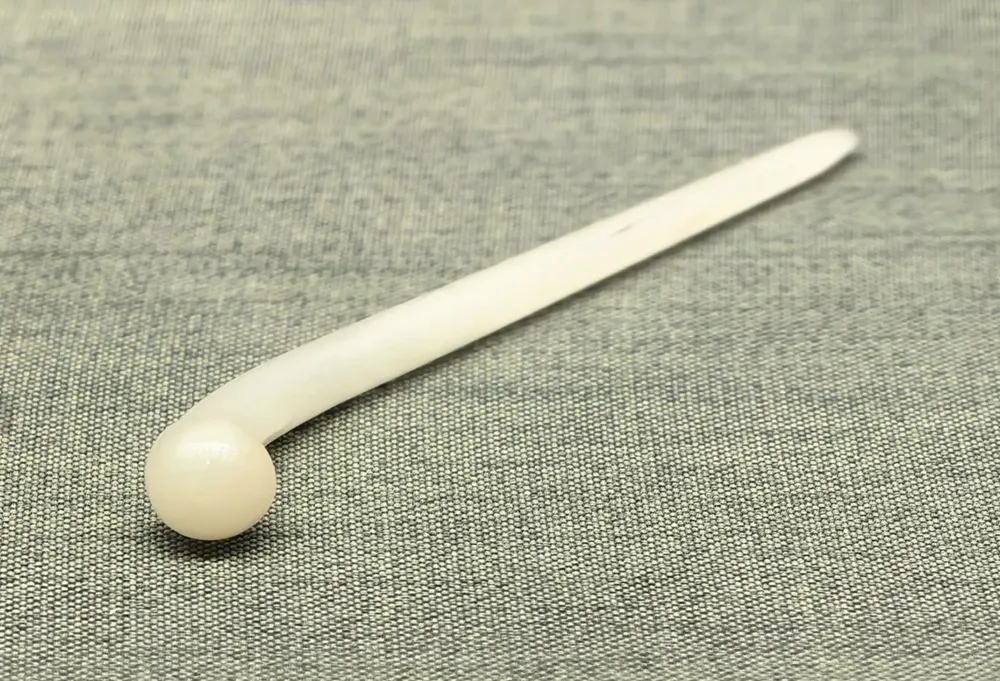
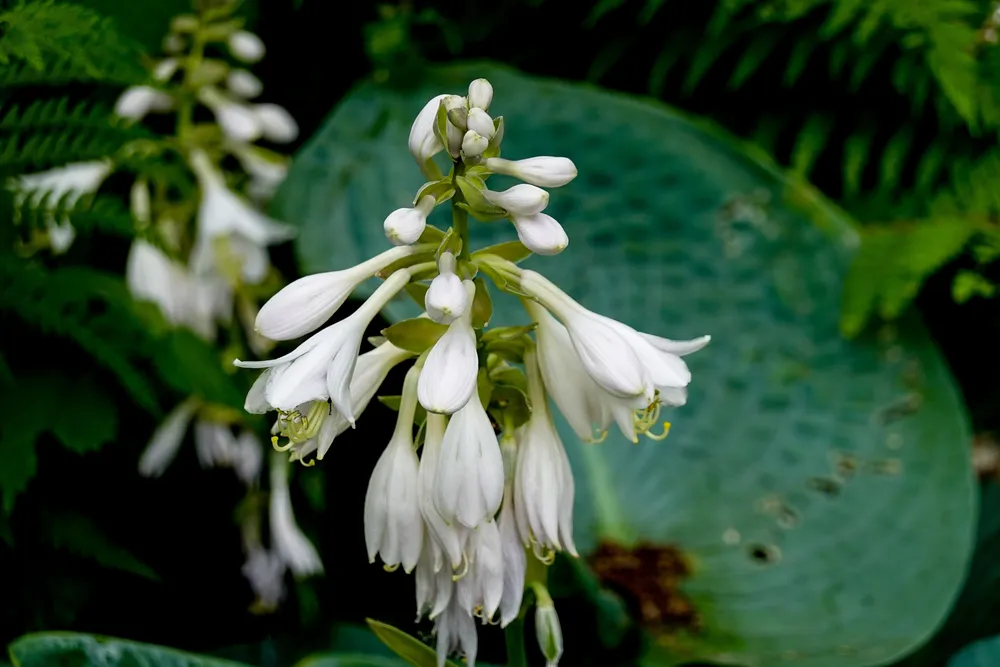
Before blooming, each bud swells on one end and tapers on the other. Its polished ivory shape closely resembles the jade hairpins ancient Chinese women wore to pin up their hair. The blooms only open after dusk. Flowers unfurl sequentially from bottom to top along the raceme, with merely one or two blossoms opening each night, slow and graceful.
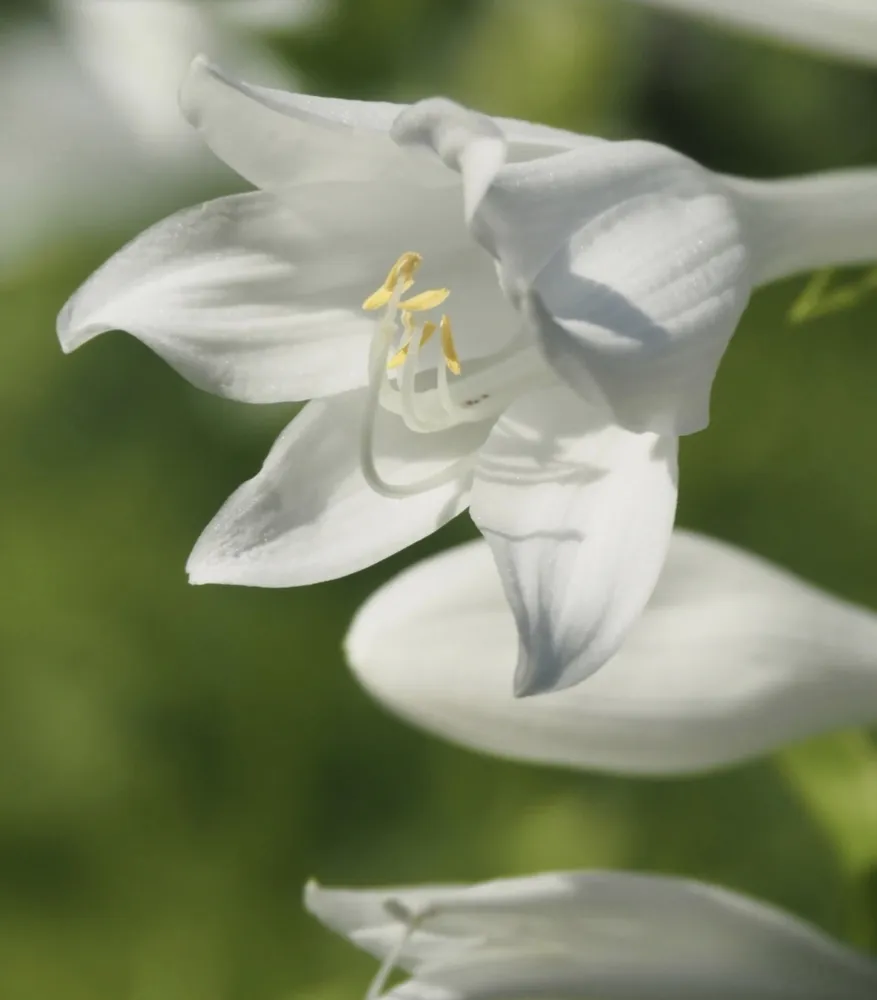
When fully open, each flower forms a trumpet carved from fine jade, split into six petals. At its heart stand six slender golden stamens and one slender pure white pistil. Exquisitely formed with icy jade beauty, it exudes a rich musk-like fragrance that drifts far on the breeze, embodying the core aesthetic of classical Chinese gardens.
2. Edible Hosta Plant Benefits: A Gourmet Foraging Green
Beyond its visual and aromatic charm, one of the most practical hosta plant benefits is its incredible history as an edible wild vegetable.
Traditional Chinese Recipes
For generations, rural families across southern China — including Sichuan, Hunan, Guizhou, and Jiangxi provinces — have cooked this seasonal wild green. In Notes on Leisure and Diet, Ming Dynasty scholar Gao Lian documented two historic recipes:
- Deep-Fried Buds: Dip fresh petals in a light batter mixed with a little sugar, then deep fry them for a clean, delicate flavour.
- Stir-Fried Delicacy: Tender, half-opened buds split into pieces, scrambled with fresh eggs, deliver a mild aroma of early summer.
- Cold Salad: Blanch young stems and buds, then toss with vinegar and sesame oil for a cooling, lung-clearing side dish.
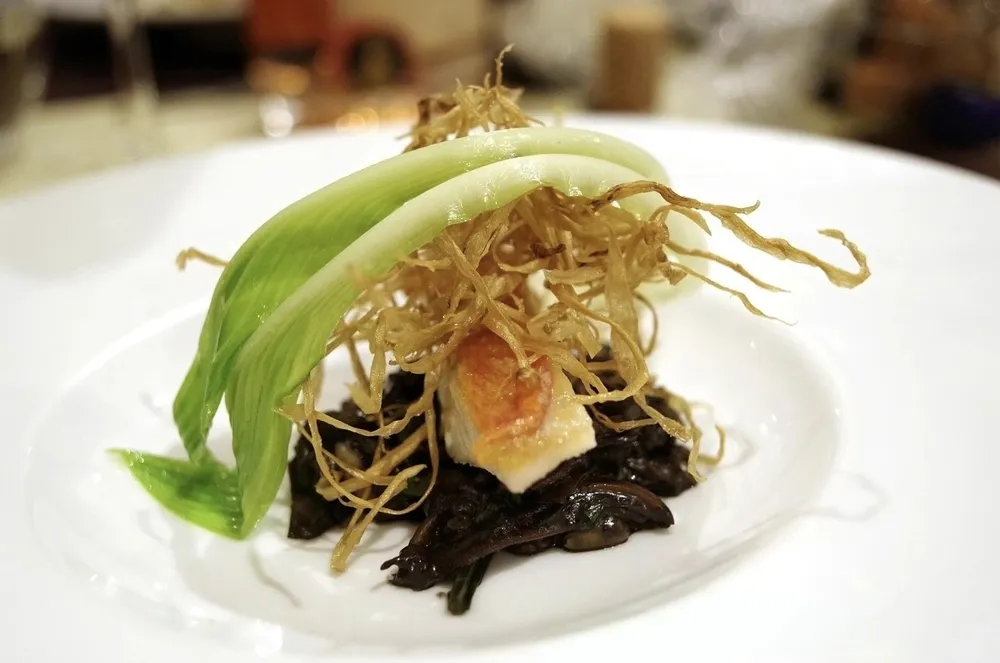
Fun Fact: Global Hosta Foraging Traditions
While native to China, eating hostas is a shared global tradition among foraging enthusiasts:
Region Local Name How It’s Harvested & Prepared China Jade Hairpin Buds (玉簪花蕾) Harvested as unopened summer flower buds; typically stir-fried with eggs or deep-fried in sweet batter. Japan Urui (うるい) Harvested as tender young spring shoots; seasoned lightly with soy sauce or simmered in comforting miso soup. North America Hosta Shoots / Hostons Harvested as tightly rolled spring spears; often pan-fried in butter, tasting similar to asparagus or ramps.
⚠️ Important Harvesting Warnings
- Species Safety: Only the original wild species Hosta plantaginea is traditionally fit for eating. Variegated garden cultivars are not recommended.
- Chemical Risks: Never harvest plants from public parks, road verges, or municipal green belts, which are regularly treated with chemical fertilizers and pesticides.
- Preparation: Always blanch the buds and shoots thoroughly in boiling water before cooking to remove any natural astringency and mild irritants.
3. Medicinal Uses: Clearing Heat and Detoxifying
In Traditional Chinese Medicine (TCM), the flowers, stems, and leaves of Hosta plantaginea are highly valued for their cooling properties. They are primarily used to clear internal heat, detoxify the body, soothe chronic coughs, and dissolve stubborn phlegm.
As recorded in the legendary Compendium of Materia Medica by the great herbalist Li Shizhen:
“Crush the plant for juice to cure all poisons, dislodge fish bones stuck in the throat, and apply the pulp to reduce swelling and sores.”
Today, brewing a gentle tea from dried hosta blossoms remains a traditional remedy to soothe sore throats and clear internal heat during the scorching midsummer months.
4. Ancient Cosmetic Secrets: The Imperial Beauty Hack
Long before modern skincare, ancient noblewomen discovered that hostas held remarkable cosmetic benefits.
According to the Book of Hundred Flowers, palace ladies would place unopened hosta buds into jars containing fine face powder overnight. The powder would absorb the flower’s natural oils, leaving their skin fragrant and fair.
In the early Qing Dynasty, Chen Haozi noted in The Flower Mirror that women would stuff lead face powder inside the unopened buds, tie the openings tightly, and let them dry naturally to create a highly prized, scented cosmetic.
Even the classic masterpiece Dream of the Red Chamber features this beauty secret. When styling makeup, the protagonist Baoyu takes out a stick of scented powder carefully sealed inside a dried hosta blossom, praised by noble families for its smooth texture and lasting floral aroma.
5. When to Plant Hostas & Essential Cultivation Tips
To fully enjoy these hosta plant benefits, you need to know how to properly cultivate them in your backyard.
- When to Plant: The absolute best time to plant hostas is in Early Spring or Early Autumn. Planting during these cooler seasons allows the roots to establish safely without the stress of extreme summer heat or freezing winter ground.
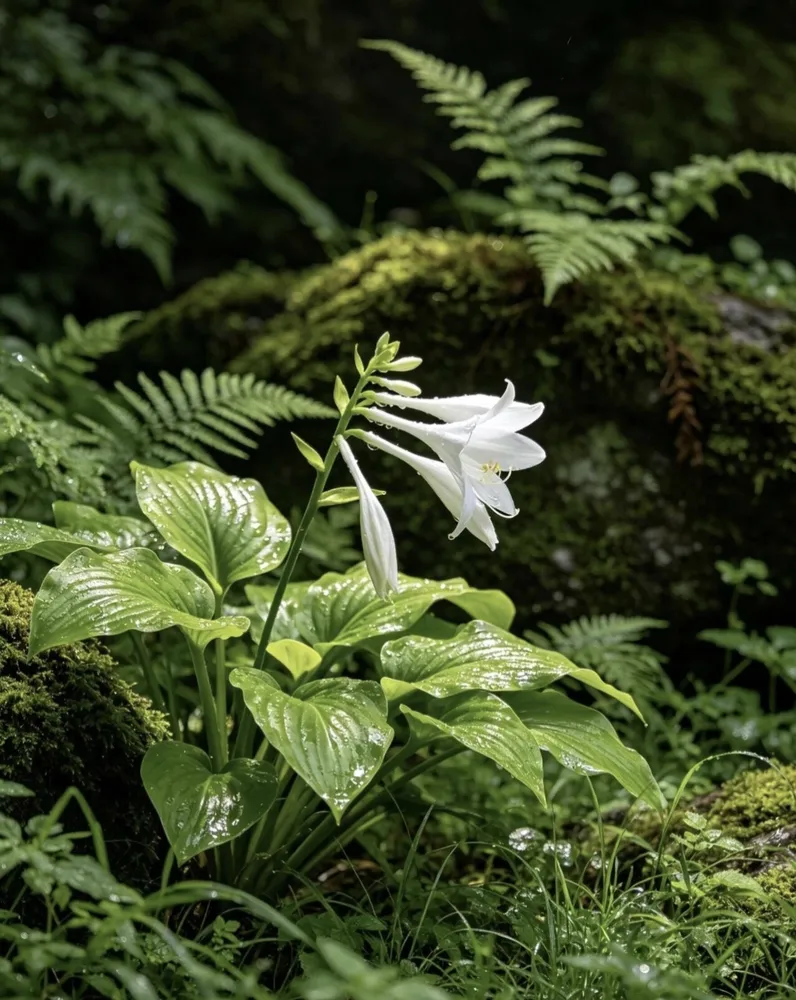
- Ideal Conditions: Hosta plantaginea thrives in cool, shaded, and damp conditions. It is the ultimate solution for those tricky, shaded spots beneath tall trees, beside north-facing buildings, or tucked into woodland rockeries, often paired with groundcover like the strawberry begonia to build layered shade landscapes.
- The Original vs. Modern Cultivars: Most hostas seen in modern suburban landscaping are hybrid cultivars bred with striped, variegated leaves that bloom with pale purple lavender flowers. However, the original, intensely fragrant, pure white-blooming Hosta plantaginea requires a bit more careful maintenance. It is a prized heirloom preserved mainly in classical gardens for its unmatched oriental charm— a truly timeless Chinese Garden Plants.
Conclusion: Bringing Oriental Serenity to Your Backyard
Blooming throughout midsummer, it is no wonder ancient Chinese poets bestowed this plant with the titles “Ruler of June” and “Flower Goddess of July.”
As the Tang Dynasty poet Luo Yin once wrote of its unworldly beauty:
Pure soul and icy grace untouched by mortal dust,
Who transplanted you beneath the shaded window?
Only the golden bracelets of the Moon Goddess,
Could buy this jade hairpin woven by the Weaving Maid.
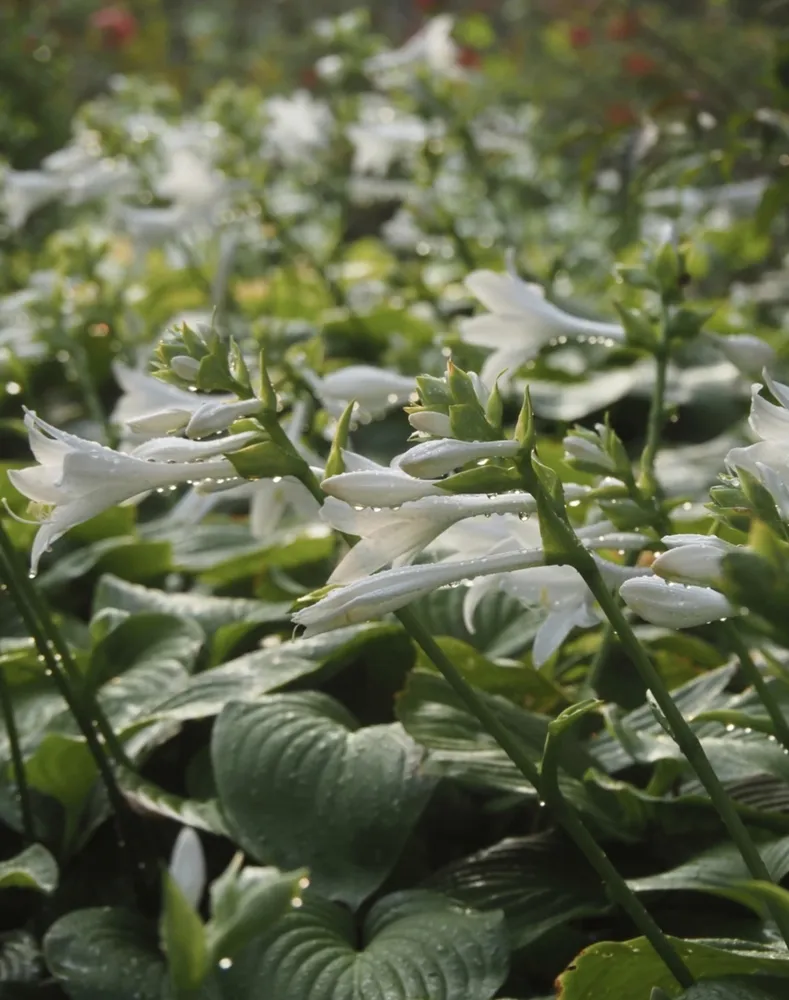
On quiet summer evenings, take a stroll along your shaded garden paths. Look closely amid the thick green leaves, and you will catch the soft, ethereal glow of creamy white blossoms unfurling quietly in the dusk. Wrapped in centuries of Chinese plant culture and stories, this magnificent plant holds profound poetic value; by understanding its deep history and practical uses, you can bring a piece of ancient, poetic serenity into your own modern sanctuary.
References & Botanical Sources
- Luo, Y. (Tang Dynasty). Poetry Collection of Luo Yin.
- Gao, L. (Ming Dynasty). Notes on Leisure and Diet (《遵生八笺·饮馔服食笺》).
- Chen, H. (Qing Dynasty). The Flower Mirror (《花镜》).
- Li, S. (Ming Dynasty). Compendium of Materia Medica (《本草纲目》).
- Cao, X. (Qing Dynasty). Dream of the Red Chamber (《红楼梦》).
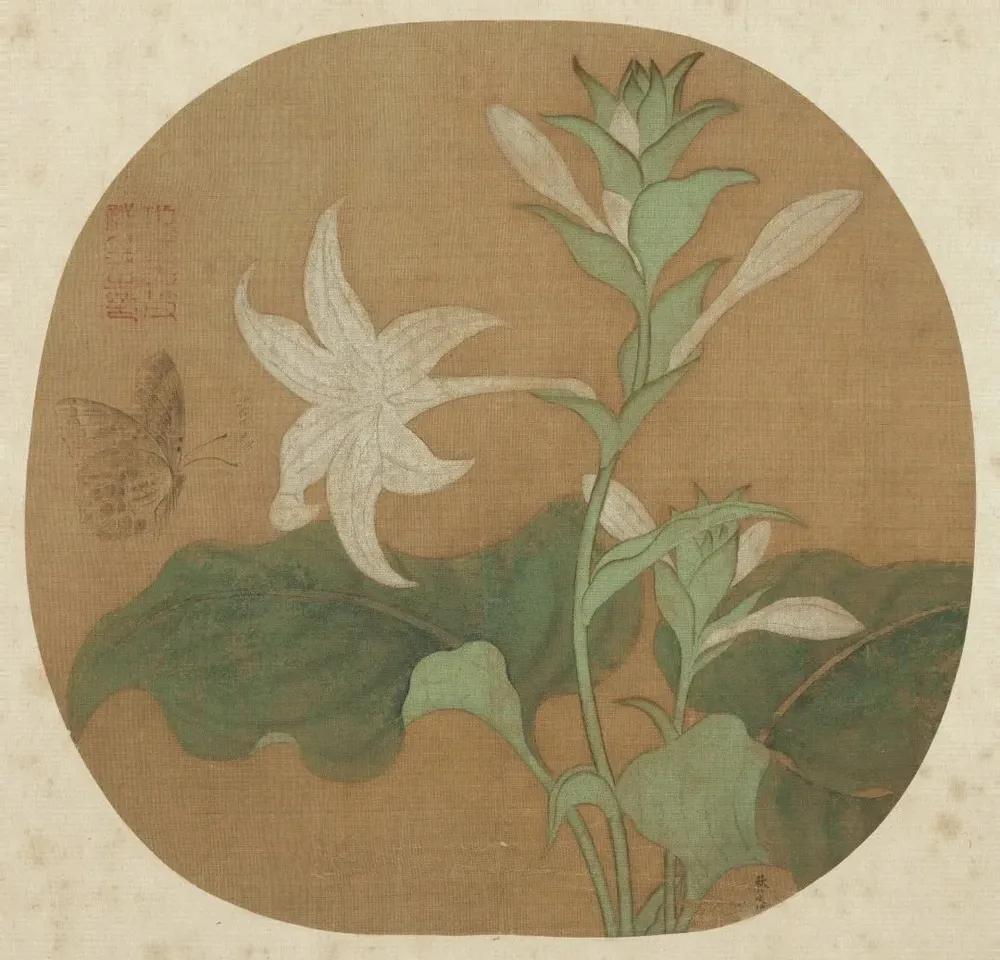
- Lin, C. (Southern Song Dynasty). Jade Hairpin Flower (《写生玉簪图》). Silk Painting, National Palace Museum, Taipei.
- Royal Horticultural Society (RHS). Hosta plantaginea (fragrant plantain lily) Cultivation Guide. Retrieved from RHS Gardening Resources.
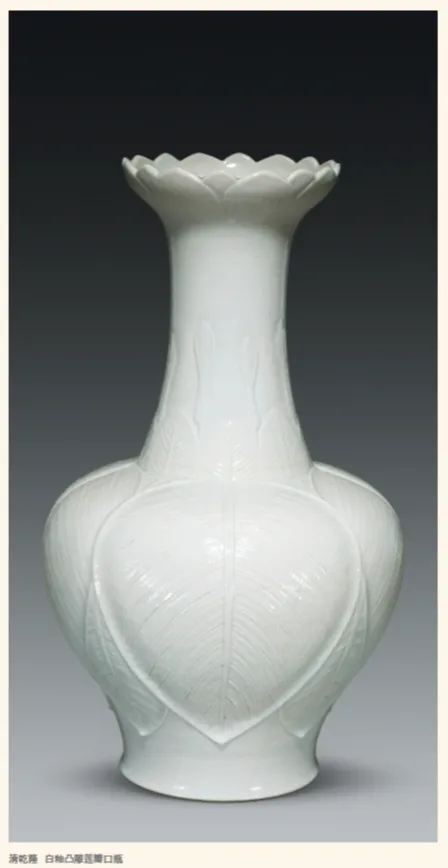
- Imperial Porcelain (Qing Dynasty). White Glaze Carved Hosta-mouth Vase (《白釉凸雕莲瓣口瓶》). The Palace Museum, Beijing.
- Lin, C. (Southern Song Dynasty). Jade Hairpin Flower (《写生玉簪图》). Silk Painting, National Palace Museum, Taipei.
More from The Plant World:
- Chinese Wingnut: The Romantic “Ingot Tree” and Its Cultural Charm
- Plum Blossom Meaning: Symbolism & Cultural Significance
- The Hidden Meanings Behind Red Plum Blossoms
- Chinese Wisteria: History, Symbolism, and Identification
- Peach Blossoms in China: History, Culture, and Symbolism
- Chinese Crepe Myrtle: Guide to Origins & Symbolism
- Ginkgo Leaf Meaning: 5 Secrets of This Ancient Fossil
- Chinese Loquat Tree: Guide to Benefits & History
- Rose of Sharon Tree: Guide to Meaning & Care
- Strawberry Begonia Care: How to Grow Saxifraga Stolonifera
- The Hollyhock Flower: Hidden Meanings & Surprising Benefits
- Chinese Tulip Tree Care: Liriodendron chinense & Folklore
Discover more from The Plant World
Subscribe to get the latest posts sent to your email.