
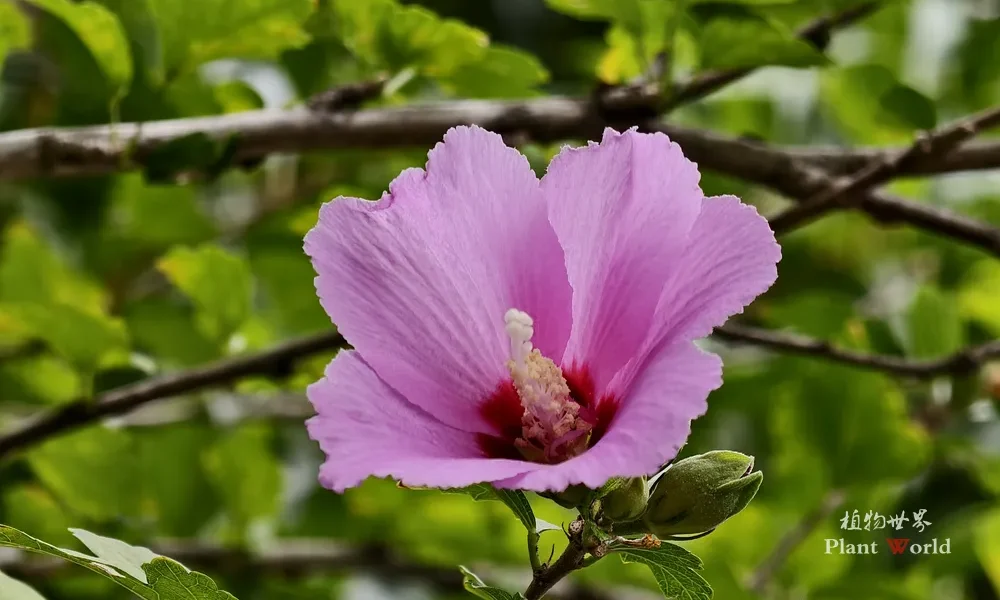
The Rose of Sharon (Hibiscus syriacus), with its soft colors, exceptionally long blooming season, and incredible environmental adaptability, has long been a staple flowering shrub in Western landscaping. While most Western gardeners know it by its biblical name or its botanical name—which literally translates to “Syrian Hibiscus”—few know its true origins. Where does the Rose of Sharon truly come from, what is its sacred meaning, and how do you care for it?
- 1. Etymology and Historical Misconceptions
- 2. Rose of Sharon in the Bible (Spiritual Meaning)
- 3. Cultural Significance in China and East Asia
- 4. Botanical Clarification: Rose of Sharon vs. Cotton Rose vs. Tropical Hibiscus
- 5. Hibiscus Comparison: Rose of Sharon vs. Cotton Rose vs. Shoeblackplant
- 6. Popular Rose of Sharon Colors and Varieties
- 7. How to Grow and Care for a Full Grown Rose of Sharon Tree
- 8. The Forgotten Chinese Heritage: Practical Value
- 9.Cultural and Artistic Symbolism: Wu Guanzhong's "Hibiscus"
- Conclusion
- References & Botanical Sources
- More from The Plant World:
1. Etymology and Historical Misconceptions
Despite its botanical name Hibiscus syriacus, the Rose of Sharon is not native to Syria or the Middle East. Its True Native Origin lies in central and southern China. It is an indigenous Chinese heritage plant with over 3,000 years of recorded cultural history. It traveled along ancient trade and cultural routes, passing through the Korean Peninsula to Western Asia and Europe, before finally taking Western gardens by storm. The botanical naming was simply a geographical misunderstanding by early European botanists who first collected samples in Syrian gardens.
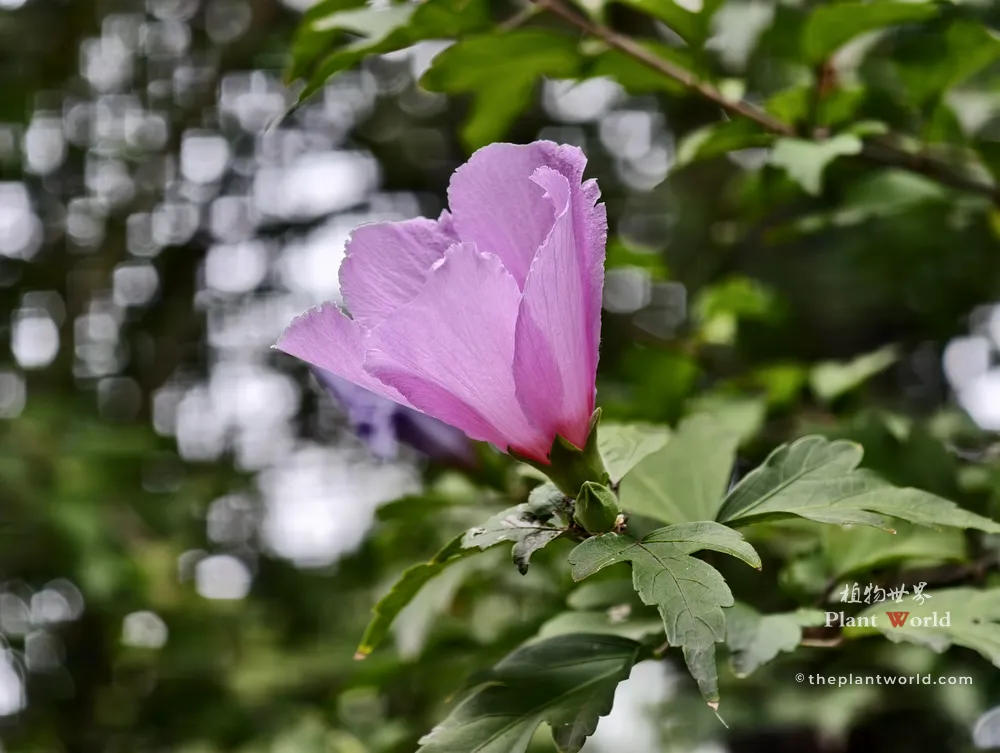
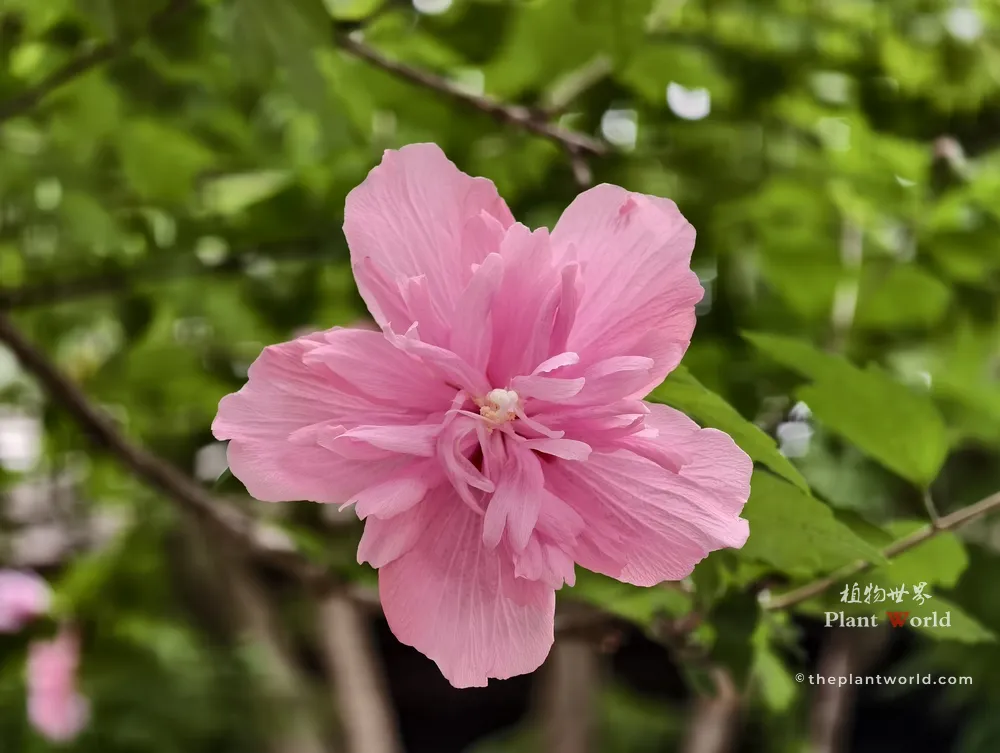
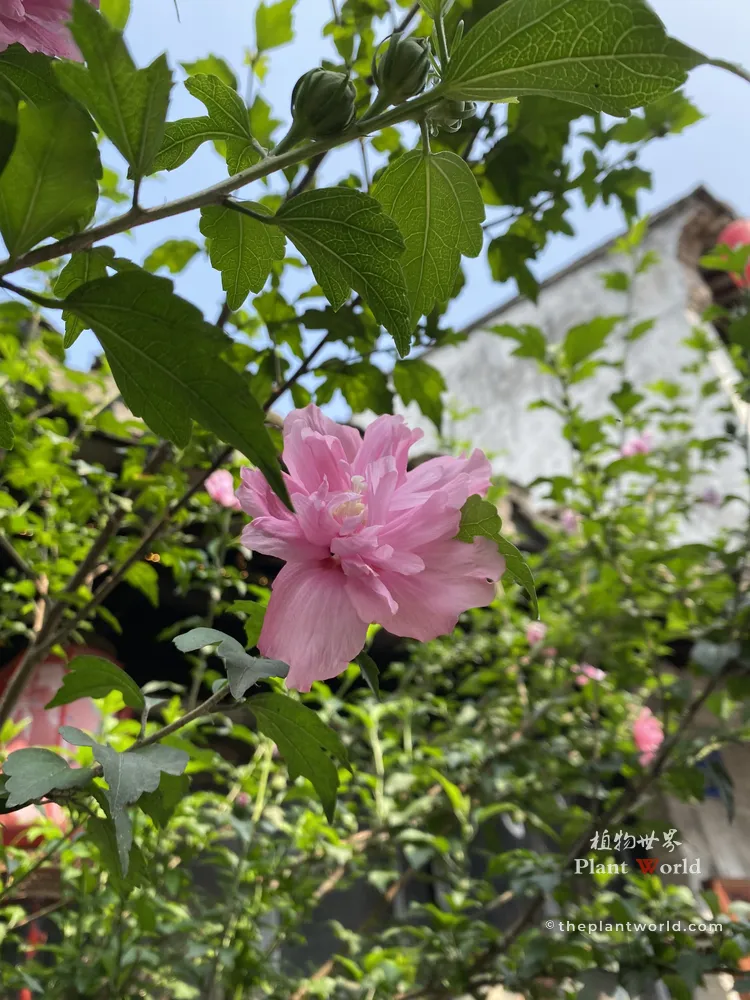
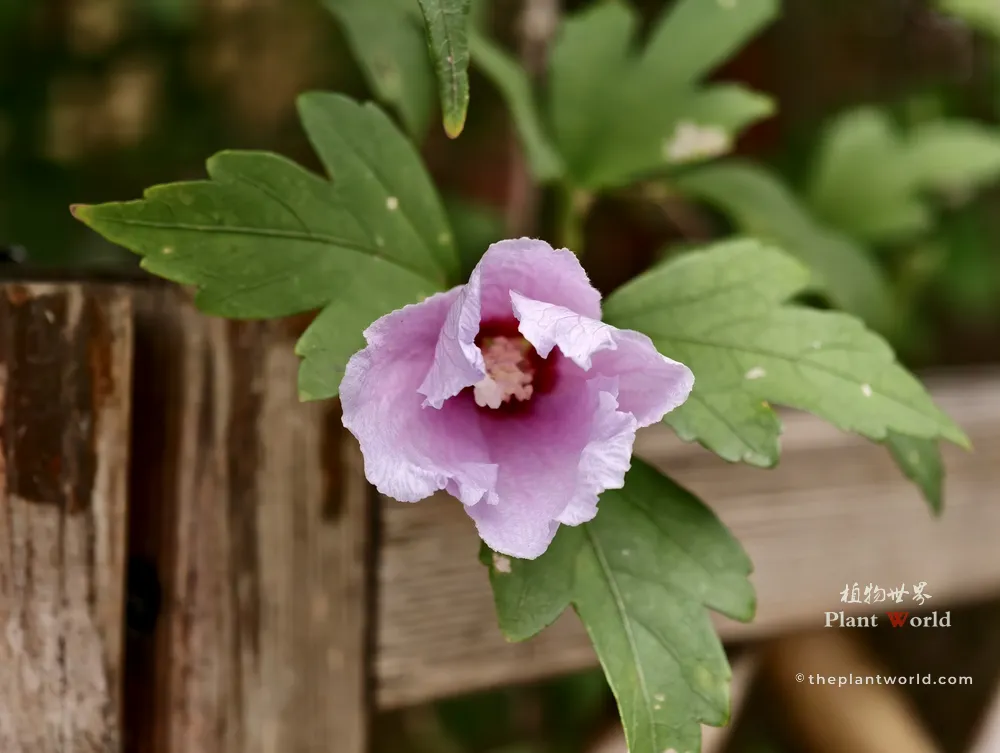
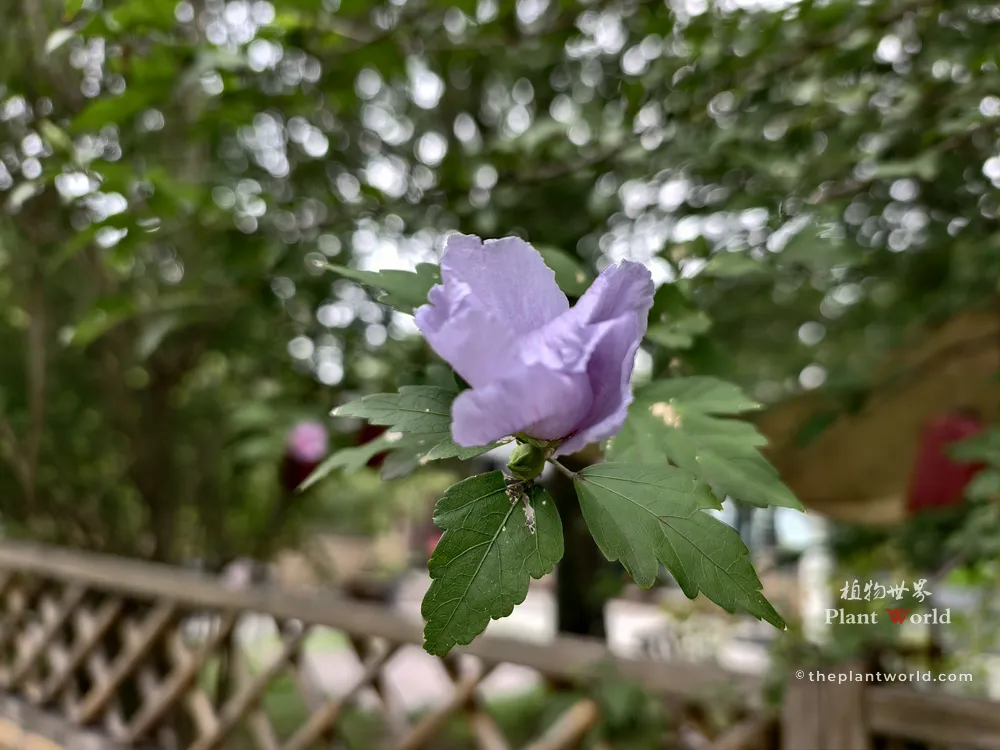
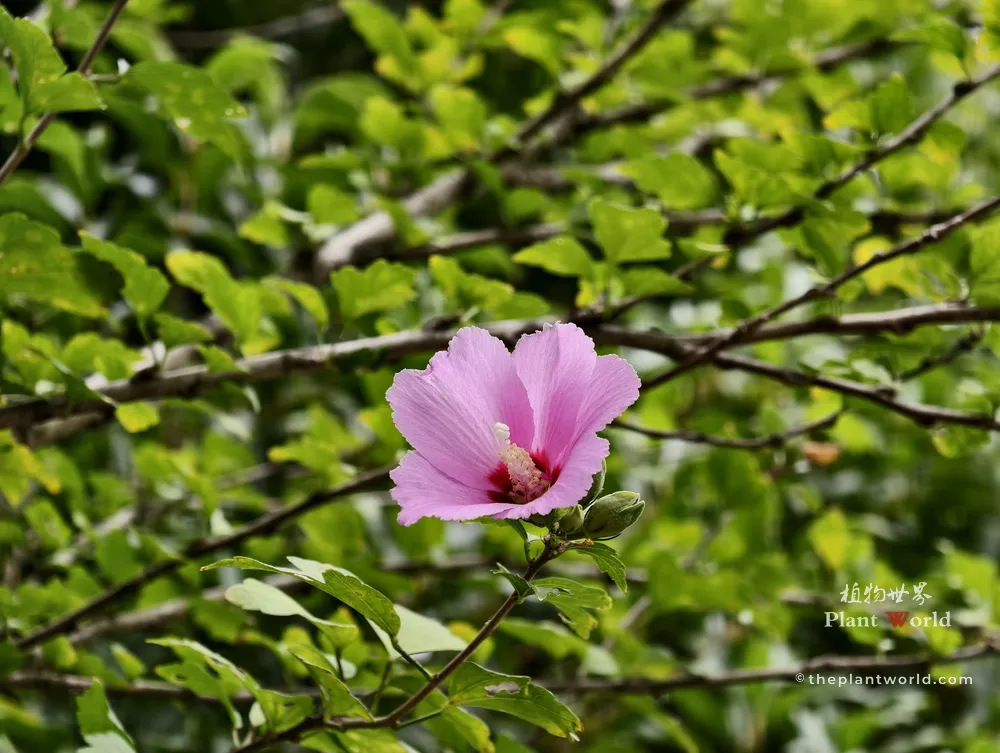
Right by the entrance of my own residential community grows a wild, unhybridized native Chinese Rose of Sharon. For most of the year, its modest foliage blends seamlessly into the surrounding greenery, remaining low-key and unnoticed. It isn’t until the peak of summer that its pale purple blossoms gracefully unfold along the dark green branches. Through days of patient photography, I captured its full transformation from a tight bud to a glorious bloom, restoring the authentic Eastern elegance of this heritage shrub in its native soil. Like the hollyhock, it thrives in informal cottage‑style plantings.
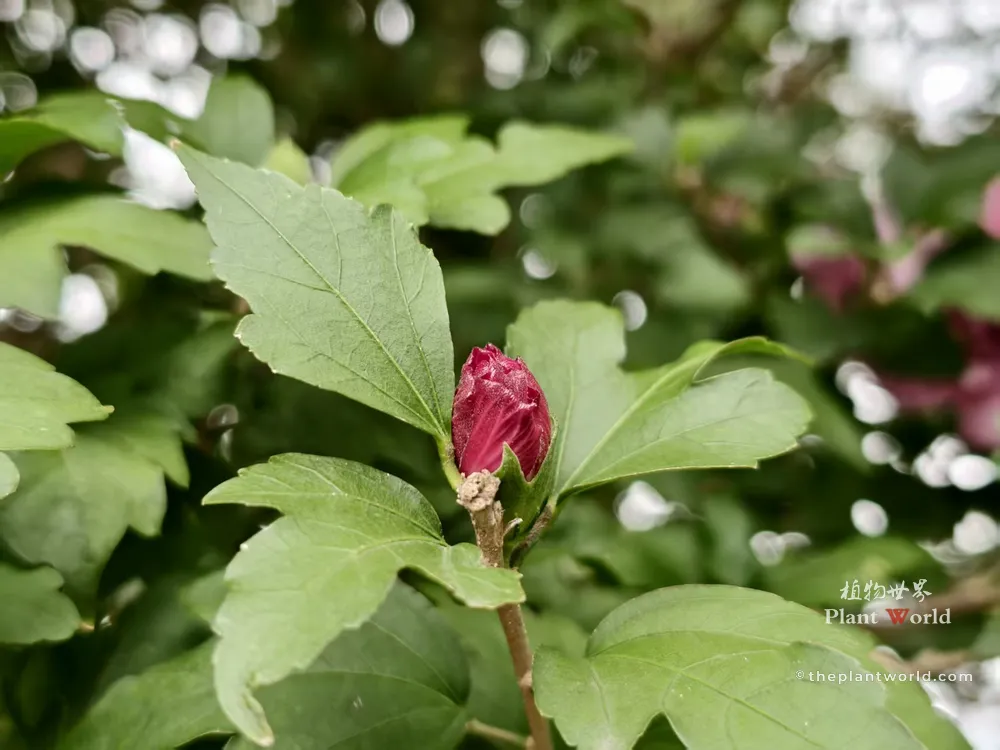
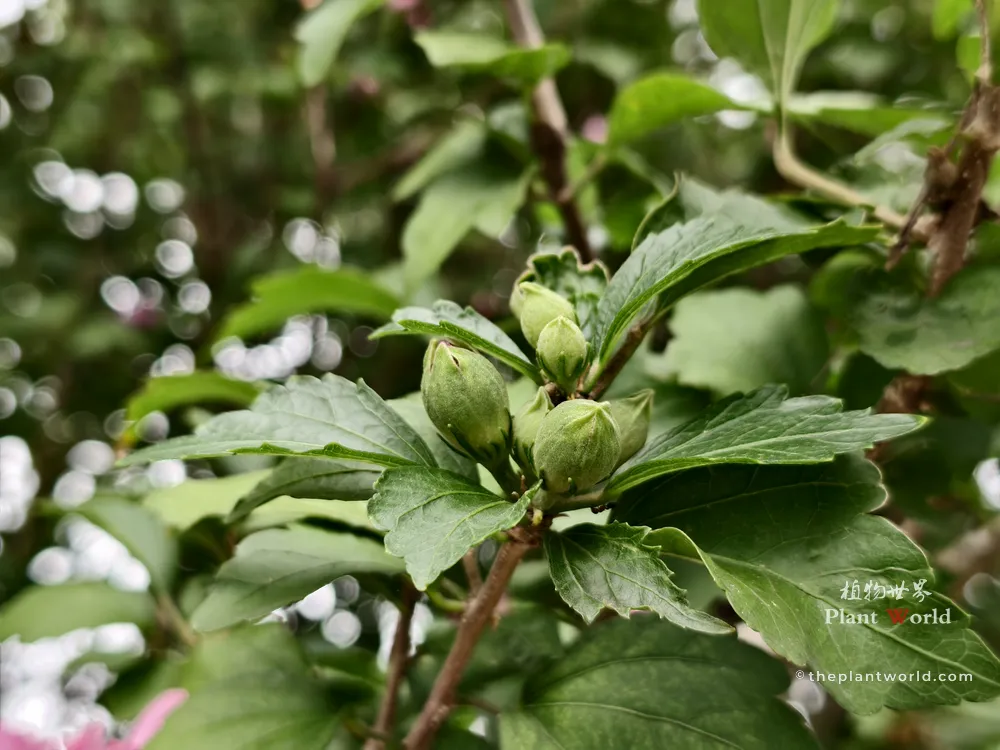
The round, plump buds are tightly wrapped in sepals, serene and soft, resembling a sleeping infant. Half-open buds present an exquisite curve, reminiscent of an antique Chinese celadon wine cup—during one shoot, a tiny beetle rested on the calyx, adding a raw, rustic touch of nature. As the petals partially unfurl, the deep purple base softens into a misty, powdery lavender, perfectly embodying the pinnacle of Eastern aesthetics: “Appreciate flowers when half-bloomed; drink wine when half-tipsy.” The newly opened petals are tender and warm, like a young maiden’s face, while the fully open blossoms spread out boldly, revealing a vibrant magenta heart—elegant, graceful, and never ostentatious.
2. Rose of Sharon in the Bible (Spiritual Meaning)
In Western culture, the name “Rose of Sharon” carries profound spiritual and religious weight, majorly rooted in the Bible. The phrase famously appears in the Song of Solomon 2:1: “I am the rose of Sharon, and the lily of the valleys.”
- The Symbol of Divine Beauty & Christ: In Christian theology, the Rose of Sharon is frequently interpreted as a symbol of Jesus Christ, representing divine beauty, flawless purity, and ultimate grace.
- Spiritual Meaning of Resilience: Beyond its sacred perfection, Western gardeners revere the spiritual meaning of this tree for its incredible fortitude. Blooming abundantly in the scorching heat of late summer when other flowers wither, it symbolizes a devout faith that thrives through adversity and dry seasons.
For centuries, when Western families planted a Rose of Sharon tree in their churchyards or doorsteps, they were planting a living prayer for healing, resilience, and divine protection—completely unaware that this sacred biblical icon actually traced its lineage back to the ancient valleys of China.
3. Cultural Significance in China and East Asia
The Rose of Sharon was documented in ancient China over three millennia ago. Long before it traveled west, it was named “Shun Hua” (舜华) or “Shun Ying” (舜英) in the Book of Songs (Shijing). It was also known as the “Dawn-Bloom, Dusk-Fade Flower” due to its unique growth habit: an individual blossom opens in the morning and dies by evening. The ancient poem The Chariot Share notes, “The lady in the carriage has a face like Shun Hua,” pioneering the classical literary tradition of comparing a woman’s ethereal grace to the Rose of Sharon.
Decades of Tang and Song dynasty poets—including Li Bai, Cui Daorong, and Yang Wanli—penned verses praising it, cementing it as an iconic motif in Chinese poetry. In modern times, the master painter Wu Guanzhong created his oil masterpiece The Rose of Sharon, using layered leaves and blank spaces among dense blooms to symbolize a breaking-through, sun-ward life force in times of hardship. Unlike the divine, religious symbolism of the West, this native Chinese plant carries a grounded Eastern philosophy: live in the present, embrace impermanence, hold on with gentle persistence, and bloom with all your might.
4. Botanical Clarification: Rose of Sharon vs. Cotton Rose vs. Tropical Hibiscus
The public has long confused Rose of Sharon (Hibiscus syriacus), Cotton Rose (Hibiscus mutabilis), and Tropical Hibiscus (Hibiscus rosa-sinensis). Many online guides mix up their photos, misleading gardeners worldwide. By combining botanical characteristics with real-life observations, here is how you can identify the authentic, cold-hardy Rose of Sharon:
5. Hibiscus Comparison: Rose of Sharon vs. Cotton Rose vs. Shoeblackplant
Distinguishing Hibiscus syriacus (Rose of Sharon) from its close relatives, Hibiscus mutabilis (Cotton Rose) and Hibiscus rosa-sinensis (Shoeblackplant / Tropical Hibiscus), can be challenging for amateur gardeners. While they all belong to the Malvaceae family, their growth habits, leaf shapes, and floral structures are distinct.
📊 Quick Diagnostic Table
Below is a side-by-side botanical comparison to help you identify these three species at a glance:
| Feature | Hibiscus syriacus (Rose of Sharon) | Hibiscus mutabilis (Cotton Rose) | Hibiscus rosa-sinensis (Shoeblackplant) |
|---|---|---|---|
| Leaf Shape | Diamond-shaped 3-lobed, relatively small with wavy margins. | Large palm-shaped, 5 to 7-lobed, covered in fine hairs. | Oval to lanceolate , glossy dark green with serrated edges. |
| Staminal Column | Shorter staminal tube; anthers clustered along the upper half. | Staminal tube split at the top, surrounded by five distinct stigmas. | Extremely long, prominent staminal tube. |
| Hardiness | Highly cold-hardy ; deciduous shrub thriving in temperate zones. | Moderately cold-hardy; deciduous large shrub or small tree. | Tropical/Subtropical ; evergreen shrub requiring warm climates. |
📸 Visual Identifications
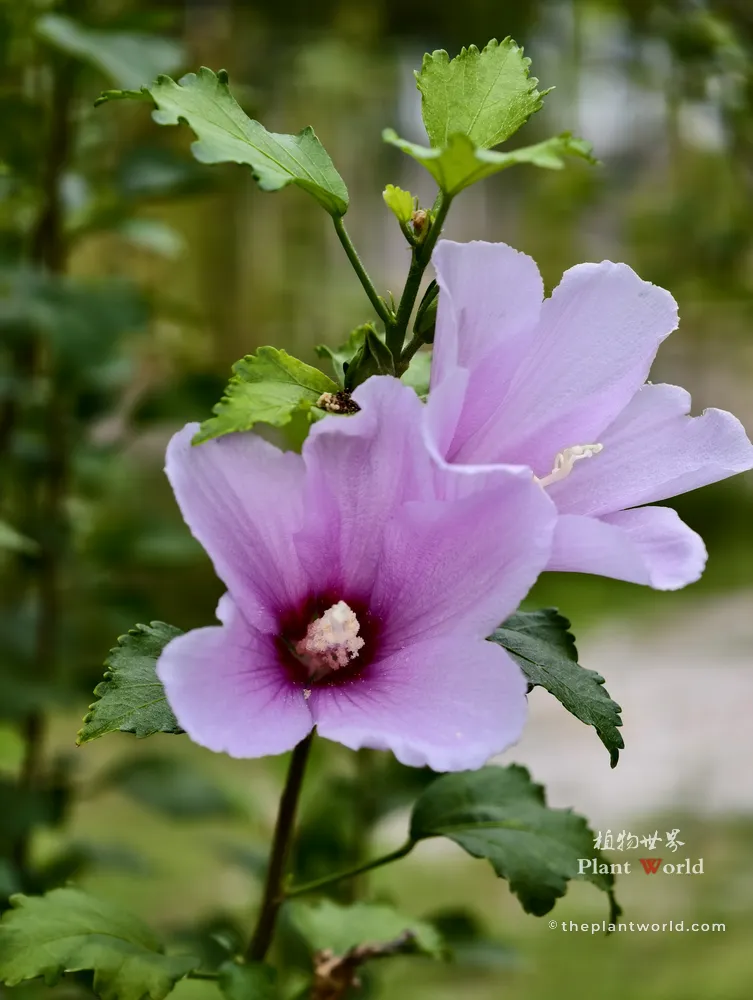
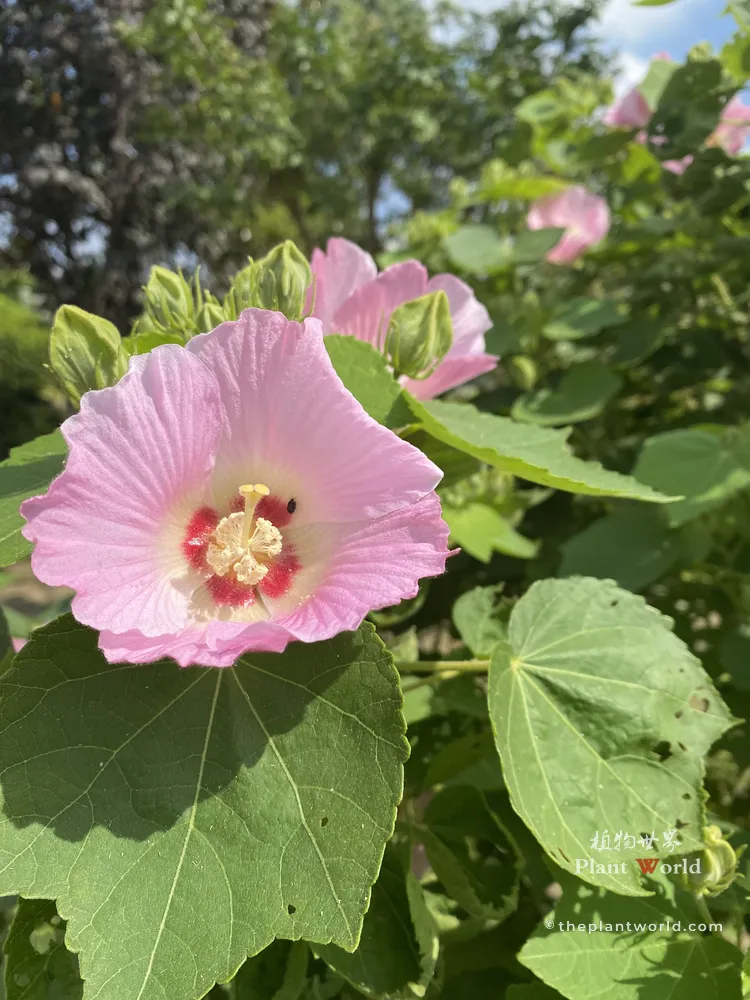
Figure 2: Hibiscus mutabilis (Confederate Rose) distinguished by its massive palm-shaped leaves and broader, softer autumn blossoms.
💡 Identification Checklist for Gardeners
To sum up, when walking through a garden, use this 3-step checklist to secure an accurate identification:
- Look at the Leaves first: If the leaves look like small diamonds, it’s a Rose of Sharon. If they look like big maple leaves or hands, it’s a Cotton Rose. If they are shiny, dark green ovals, it’s a Tropical Hibiscus.
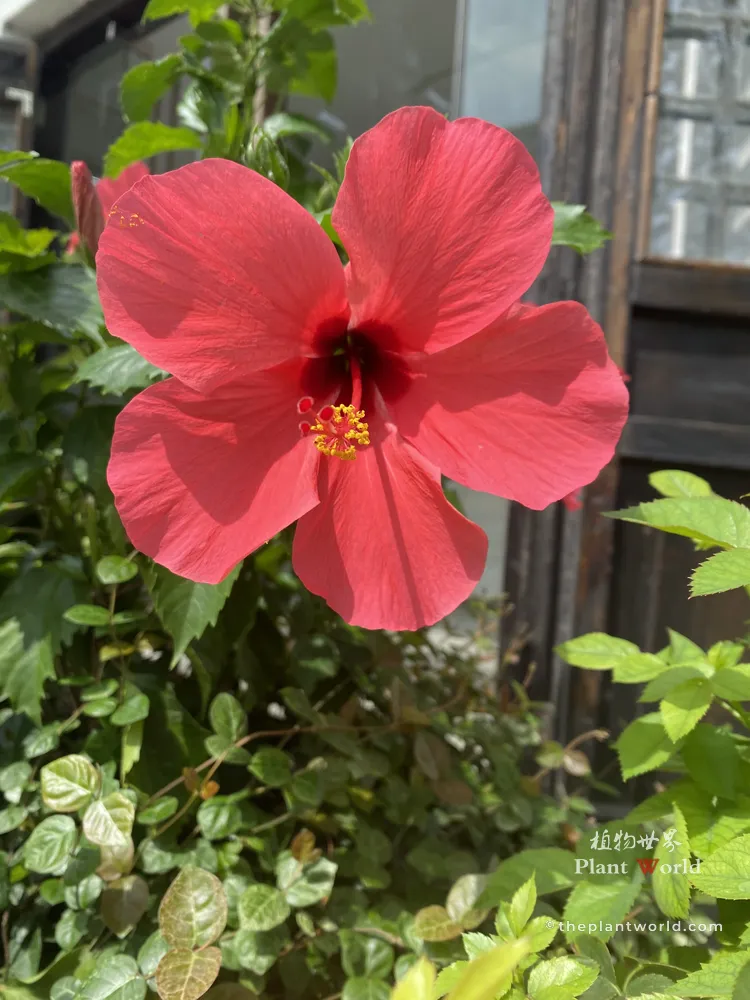
- Check the Stamen: If there is a very long “tongue” (staminal tube) sticking far out of the colorful petals, you are definitely looking at a Tropical Hibiscus.
- Consider the Season and Location: If it is blooming beautifully in freezing northern winter environments, it can only be the deciduous, ultra-hardy Rose of Sharon.
A. Foliage Identification (The Quickest Standard)
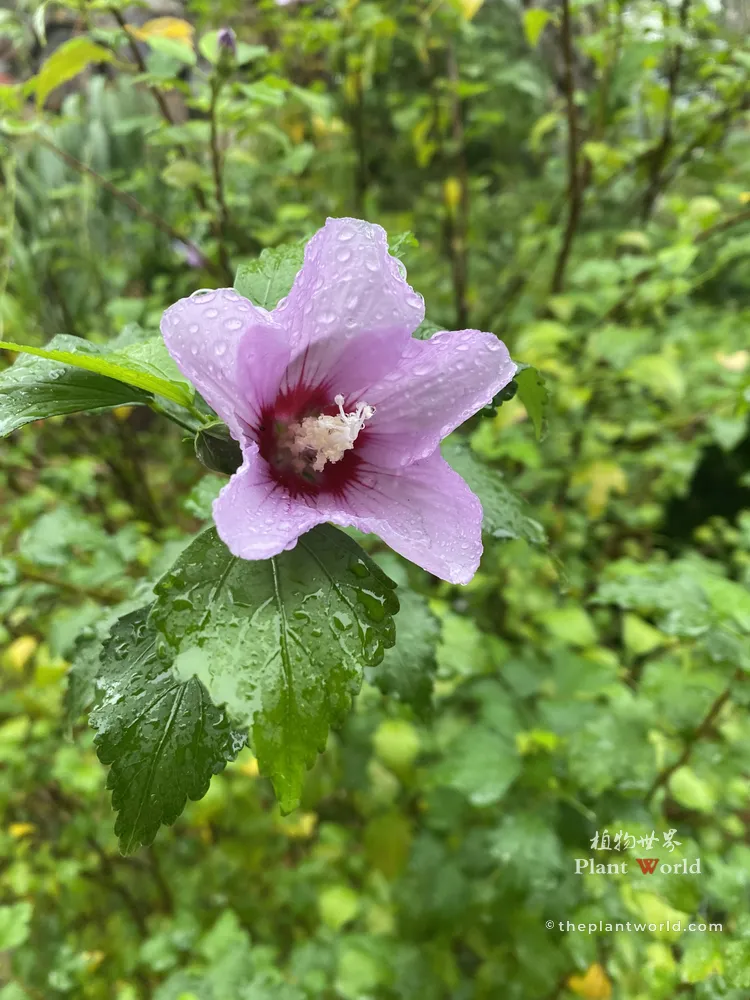
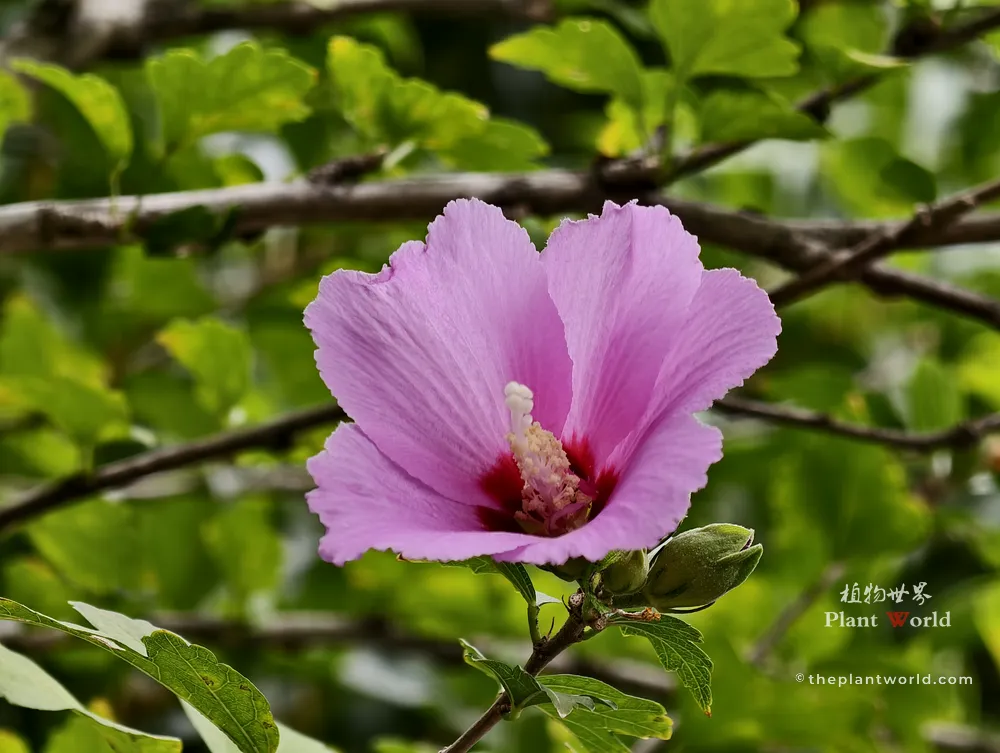
- True Rose of Sharon (Hibiscus syriacus): Leaves are relatively small, ovate-rhomboid, with regularly notched margins. The surface is matte and leathery. Branches are slender, upright, tough, and lightly covered in fine hairs. It grows as a hardy, woody shrub.
- Cotton Rose (Hibiscus mutabilis): Leaves are massive and maple-like (palmately lobed) with heavy, felt-like hairs on the surface. The plant is much stockier and loses its leaves rapidly in late autumn.
- Tropical Hibiscus (Hibiscus rosa-sinensis): Features glossy, evergreen leaves without heavy lobing. It is strictly a tropical plant that cannot survive freezing temperatures, making it unsuited for temperate Western winter gardens.
Consider the Season and Location: If it is blooming beautifully in freezing northern winter environments, it can only be the deciduous, ultra-hardy Rose of Sharon.
B. Eye and Color Variations
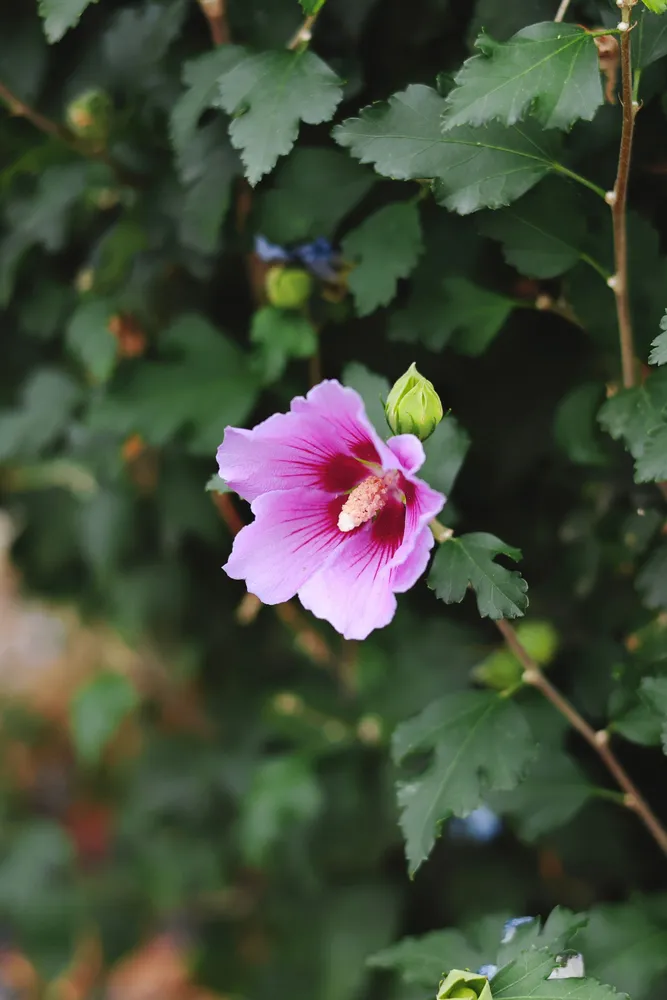
The native Chinese Rose of Sharon features a distinct, trademark “Red Heart” (a deep crimson or purple center) contrasted against pale, elegant petals. The flower shape is compact. Conversely, the Cotton Rose features giant blooms that change color three times a day, while Tropical Hibiscus boasts massive, saturated crowns without that specific contrast-heavy, deep-set bleeding eye.
6. Popular Rose of Sharon Colors and Varieties
The global nursery market offers an array of hybridized cultivars alongside the timeless native strains.
Top Western Commercial Cultivars
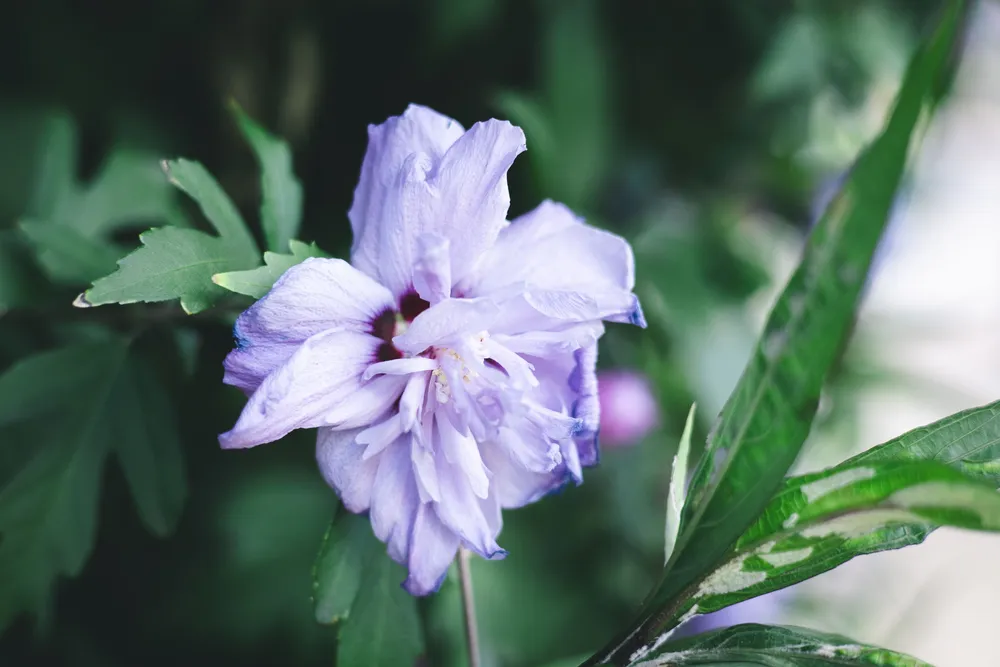
- ‘Blue Chiffon’: A trendy, semi-double variety boasting misty lavender-blue petals; a top choice for cottage gardens and romantic landscapes.
- ‘Aphrodite’: A prolific, dark pink-rose single bloom with a deep red eye; exceptionally heavy-flowering and a staple for cottage landscaping.
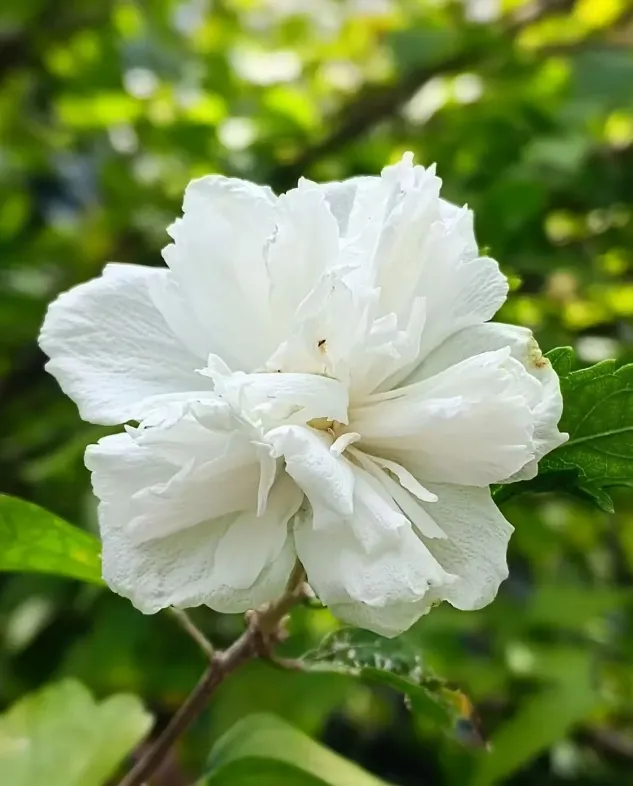
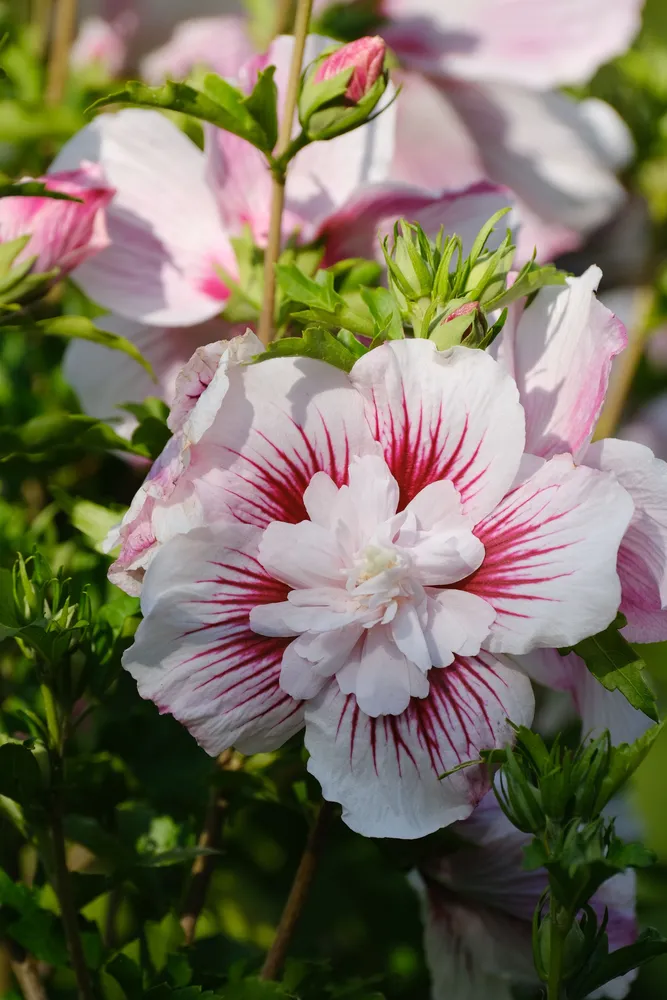
- ”White Chiffon’ & ‘Pink Chiffon’: Outstanding members of the beloved Chiffon series. ‘White Chiffon’ delivers pure, paper-white elegance, while ‘Pink Chiffon’ showcases soft blush-pink blooms adorned with striking crimson veins. Both erupt into a magnificent, ruffled center of lace-like petaloids.
The Chinese Heritage Strains
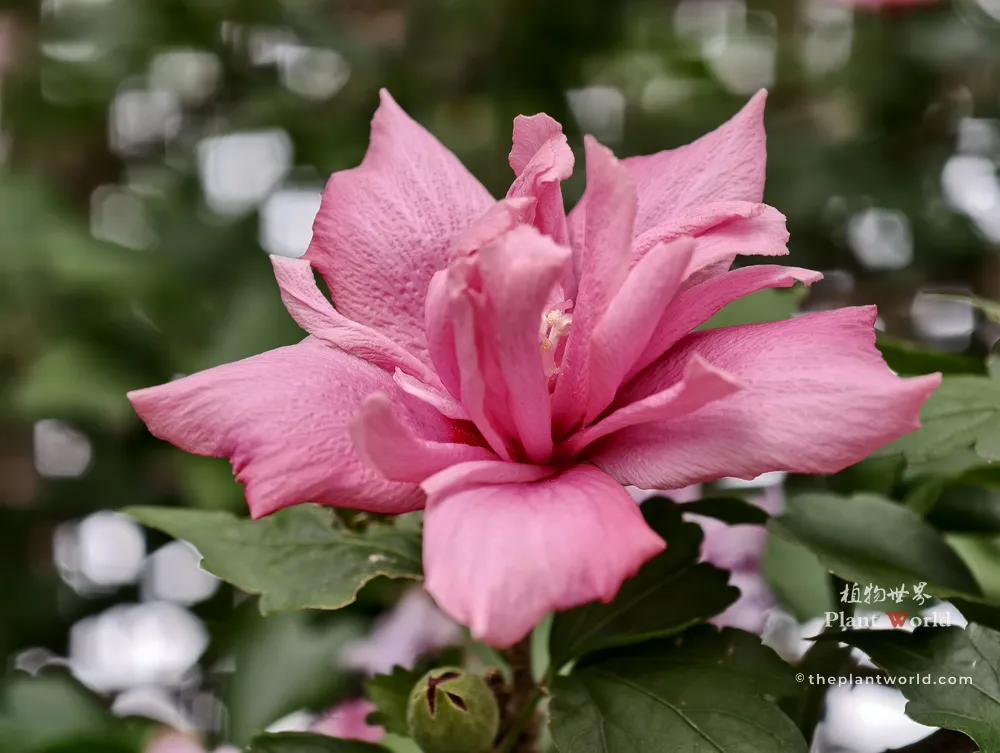
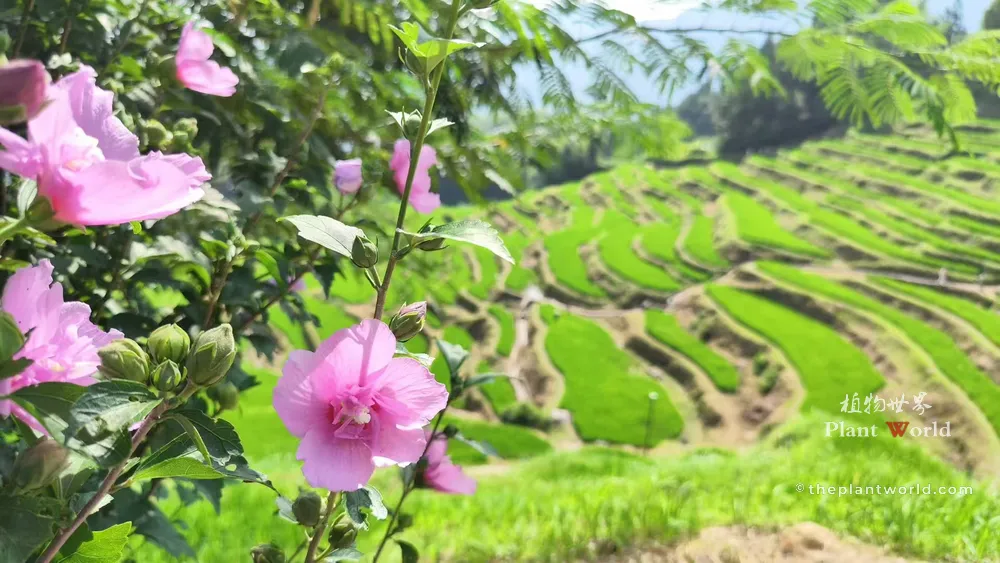
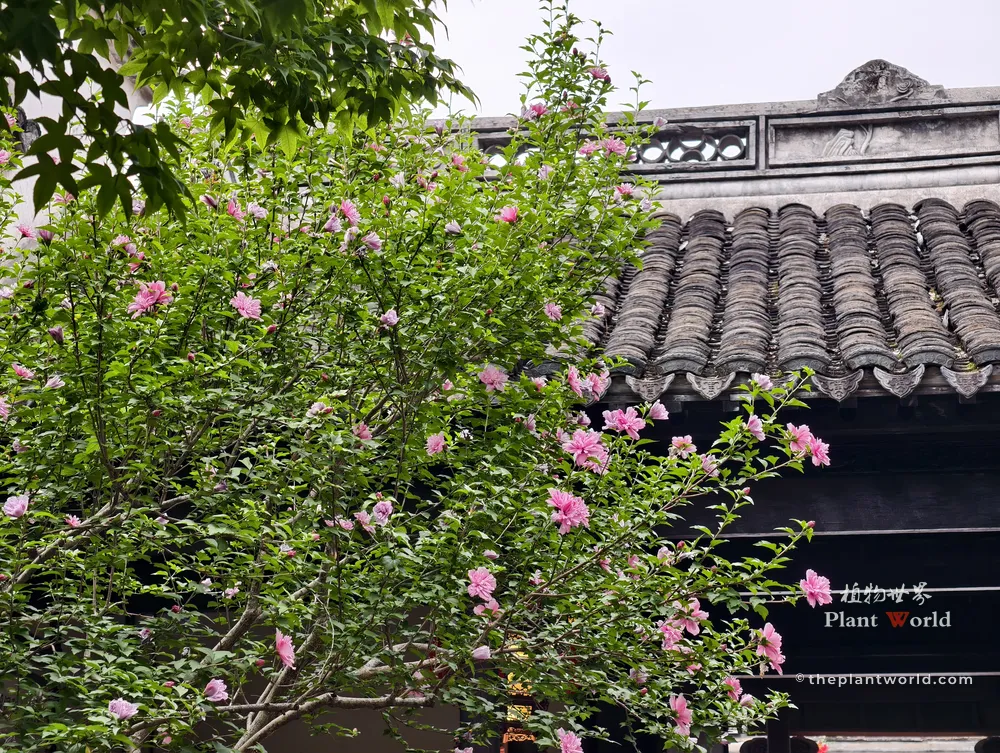
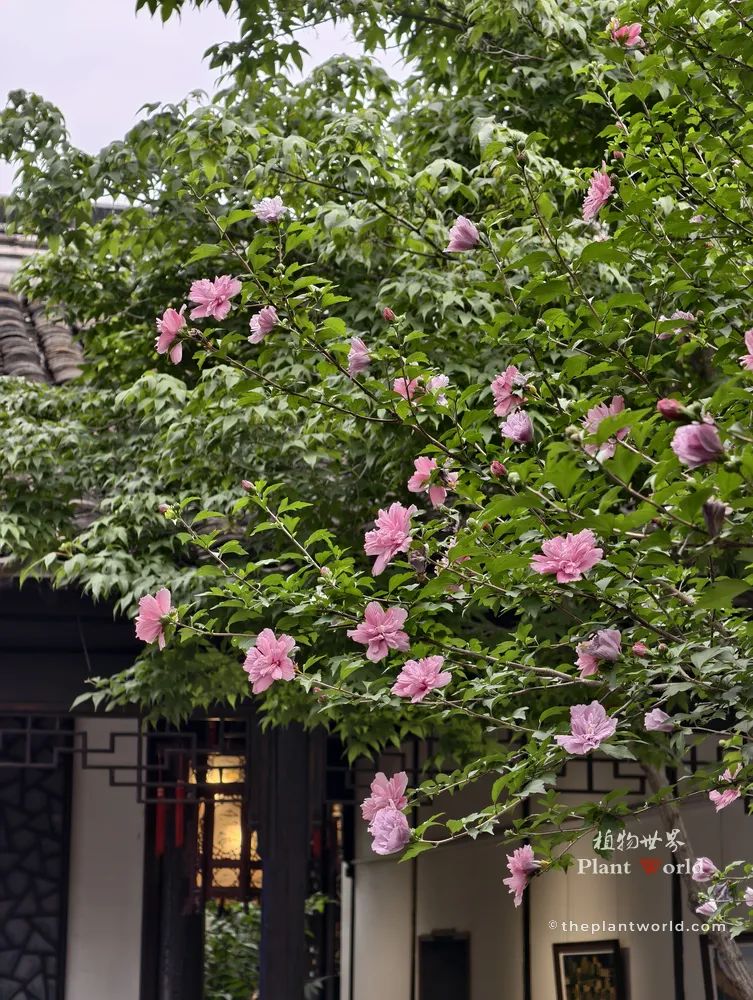
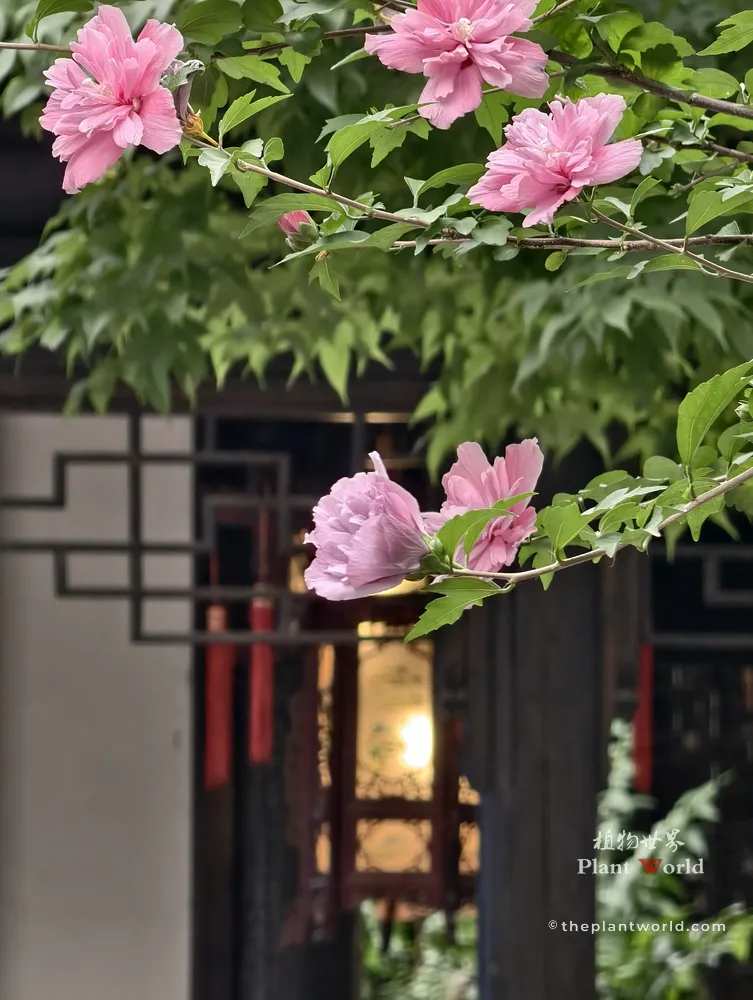
Stepping away from Western hybrids, the native Chinese strains favor a restrained, muted aesthetic, covering classic shades of misty pink, smoke lavender, pure white, and deep rose. Among them, the most historically orthodox variety is the classic double pink heritage strain (often referred to as Hibiscus syriacus var. ampullaeformis)—delicate, multi-layered petals anchoring a deep wine-red eye, embodying a quiet, inner strength. Furthermore, wild native strains exhibit a natural diurnal color shift: pale in the morning, deepening by noon, and softening into a warm, gentle hue by dusk—a natural trait missing in many heavily hybridized varieties.
7. How to Grow and Care for a Full Grown Rose of Sharon Tree
A. Full Grown Tree Specifications
In a backyard or open landscape, a mature, full-grown Rose of Sharon tree naturally reaches a standard height of 8 to 12 feet with a spread of 6 to 10 feet. Unlike small container plants, a well-established garden tree develops robust branching and blooms continuously for up to 4 months, making it ideal for privacy hedges, background planting, or standalone focal features.
In garden layouts, Rose of Sharon often serves as an upper‑layer framework shrub. Its underplanting can include shade‑tolerant groundcovers such as the hosta, strawberry begonia, and Leopard Plant to build multi‑layered Chinese‑style flower borders.
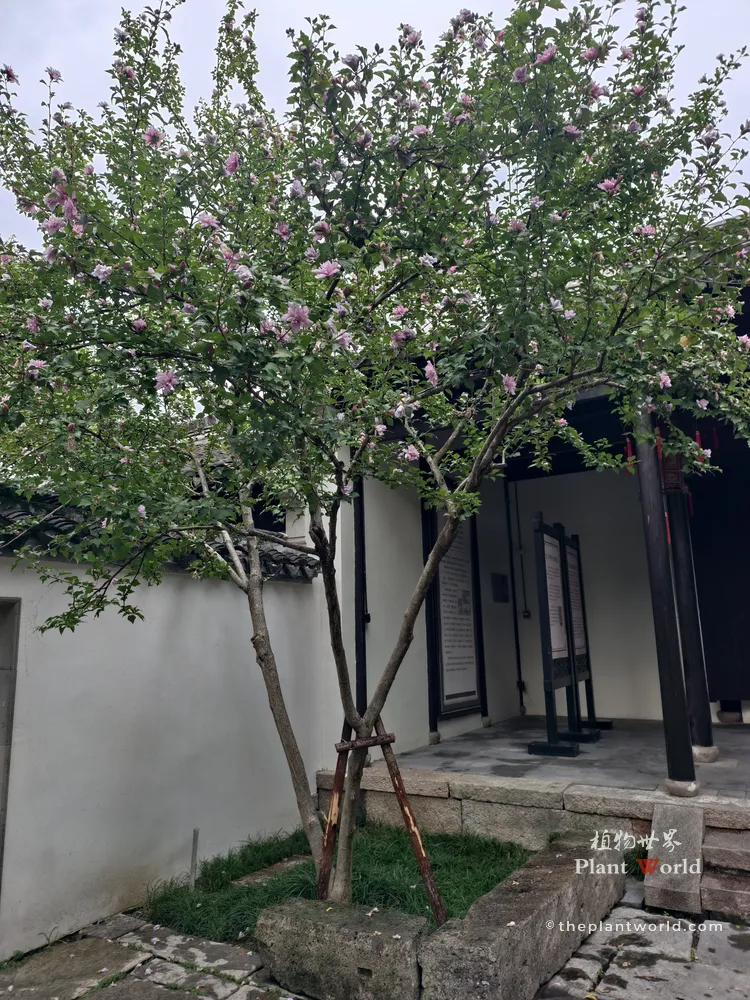
B. Comprehensive Care Guide
- Soil Requirements: The native Rose of Sharon is exceptionally tough and forgiving. It thrives best in neutral to slightly acidic, loose garden loam, but tolerates poor sandy or clay soils as long as there is decent drainage. It strongly dislikes constantly waterlogged, soggy roots.
- Light & Temperature: It thrives in full sun; the more sunlight it receives, the more prolific the blooms. Inheriting the climate resilience of its native Chinese habitats, it easily withstands scorching summer heat, droughts, and sub-zero winter freezes without requiring heavy winter protection.
- Pruning Techniques: Pruning is best done in late winter or early spring while the plant is dormant. Clear out crossing or dead interior branches to sculpt either a tree-like form or a multi-stemmed hedge. Because it blooms on new wood, early spring pruning significantly boosts the season’s flower yield.
- Water & Fertilizer Management: This is an excellent “lazy gardener” plant. Once established, regular seasonal rainfall is usually enough to sustain it. It requires minimal fertilizer and boasts a high resistance to pests and diseases, far outperforming many delicate Western ornamentals.
8. The Forgotten Chinese Heritage: Practical Value
Beyond its beauty, the true Chinese native Rose of Sharon spans across culinary, medicinal, and folk traditions, offering rich dimensions unknown to most Western readers:
- East Asian Cross-Cultural Icon: Upon arriving on the Korean Peninsula, it became known as the Mugunghwa (表达永恒的花) and was officially designated as the national flower of South Korea. The classic single pink bloom with a red heart sits proudly on the South Korean national emblem, symbolizing an indestructible national spirit. In Japan, known as Mukuge, it is closely tied to tea ceremonies, symbolizing purity and humble, quiet life joys.
- Folk Traditions: In Southern China, a thousand-year-old Qixi Festival tradition involves using crushed Rose of Sharon leaves to wash hair, a practice tied to the Weaver Girl folklore, symbolizing blessings for health and smooth hair.
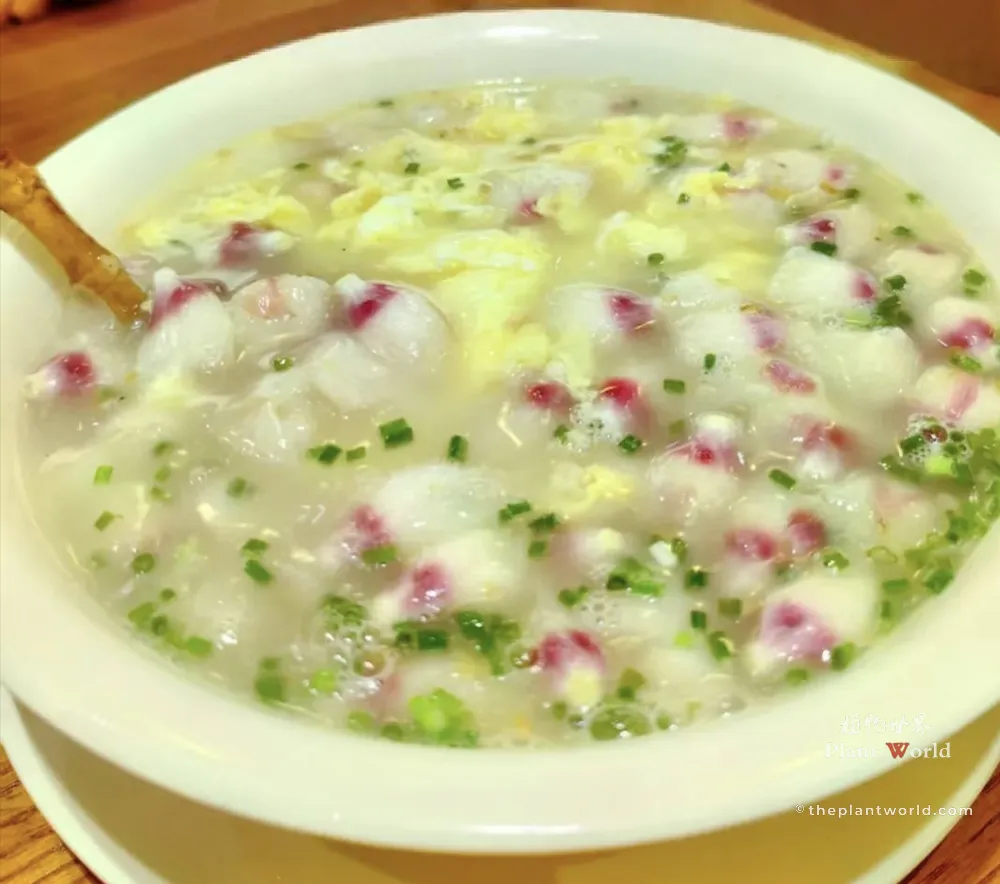
- Culinary Delicacy: Affectionately nicknamed “Rice Soup Flower” or “Lard Flower” in Chinese villages, its petals are crisp and naturally sweet. It is a seasonal delicacy cooked into egg drop soups, deep-fried in light batter, or stir-fried with pork. The Ming dynasty agricultural manual Compendium of Materia Medica for Preventing Famine explicitly lists it as a safe, non-toxic edible plant.
- Medicinal Heritage: Li Shizhen’s Compendium of Materia Medica records its flowers, leaves, and roots for herbal medicine. Modern pharmacology confirms that its rich flavonoids and polysaccharides offer anti-inflammatory, antioxidant, and respiratory-soothing benefits.
“The Rose of Sharon (槿) is a small tree. It can be easily planted or propagated by cuttings. Its leaves are sharp-tipped with notched margins, and its flowers are beautifully striking. It begins blooming in the fifth lunar month. Its tender leaves are perfectly edible and can be brewed as a tea substitute.”
— Translated from Li Shizhen’s Compendium of Materia Medica (本草纲目)
9.Cultural and Artistic Symbolism: Wu Guanzhong’s “Hibiscus”
Wu Guanzhong’s “Hibiscus” (木槿): A Masterpiece of Vitality
Beyond its botanical presence, Hibiscus syriacus holds a profound cultural soul in Chinese modern art. In master painter Wu Guanzhong’s renowned oil painting, “Hibiscus”, the plant becomes a moving metaphor for resilient life.
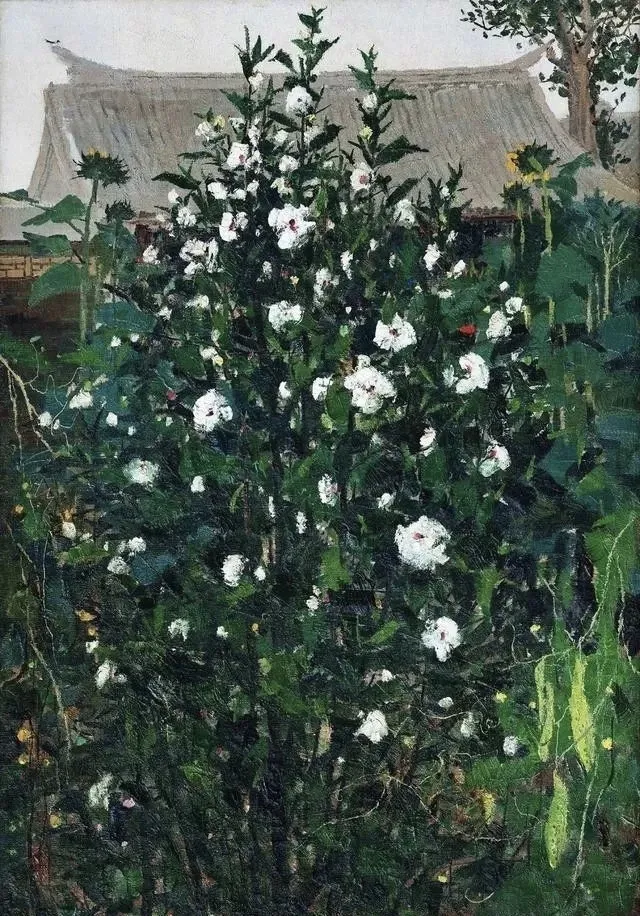
Through a dense, heavily textured impasto technique, Wu piles rich oil pigments to depict the crowded, tangled branches and foliage—symbolizing the complex, often restrictive environments of life. Yet, against this somber, pressed background, the pure white blossoms erupt with vibrant brilliance, illuminated by energetic white impasto highlights. This striking contrast serves as a powerful allegory for inner strength: even when confined to humble, oppressive surroundings, life will inevitably break through its shackles, holding fast to its irrepressible vitality and enduring grace.
Conclusion
Strip away its romantic Western moniker “Rose of Sharon”, set aside the geographical misunderstanding behind its botanical name, and shed centuries‑old Western hybrid breeding layers — Hibiscus syriacus is deeply rooted in Chinese soil, one of the traditional Chinese garden plants, steeped in three thousand years of poetic heritage, folk customs, and practical everyday wisdom.
It blooms and fades in a single day, yet renews itself tirelessly morning after morning, transforming a brief individual life cycle into an endless season of abundance. It is the ultimate living testament to gentle persistence and unyielding resilience. It is not a Middle Eastern mystery, nor is it merely a Western sacred icon—it is Shun Hua, the untamed, resilient native Chinese wood rose that walked out of the East to paint the world in shades of lavender and gold.
References & Botanical Sources
- Li, S. (1596). Compendium of Materia Medica (Bencao Gangmu). Ming Dynasty Medical Texts.
- The Book of Songs (Shijing). Zheng Feng: You Nü Tong Che (The Chariot Share). Circa 11th–7th centuries BC.
- Valder, P. (1999). The Garden Plants of China. Florilegium. ISBN: 978-1876314026.
- Royal Horticultural Society (RHS). Hibiscus syriacus (Rose of Sharon) Cultivation and Care Guide. RHS Plant Finder.
More from The Plant World:
- Chinese Wingnut: The Romantic “Ingot Tree” and Its Cultural Charm
- Plum Blossom Meaning: Symbolism & Cultural Significance
- The Hidden Meanings Behind Red Plum Blossoms
- Chinese Wisteria: History, Symbolism, and Identification
- Peach Blossoms in China: History, Culture, and Symbolism
- Chinese Crepe Myrtle: Guide to Origins & Symbolism
- Ginkgo Leaf Meaning: 5 Secrets of This Ancient Fossil
- Chinese Loquat Tree: Guide to Benefits & History
- Strawberry Begonia Care: How to Grow Saxifraga Stolonifera
- The Hollyhock Flower: Hidden Meanings & Surprising Benefits
- Chinese Tulip Tree Care: Liriodendron chinense & Folklore
Discover more from The Plant World
Subscribe to get the latest posts sent to your email.