
Introduction
Often hailed as the “giant panda of the plant kingdom,” the Dawn Redwood (Metasequoia glyptostroboides) is an exceptionally rare, ancient conifer that holds Class‑I national environmental protection in China. Endemic to hidden mountain valleys, the last remaining wild populations cluster in narrow, mist‑shrouded pockets across Lichuan in Hubei, Shizhu in Chongqing, and northwestern Hunan.
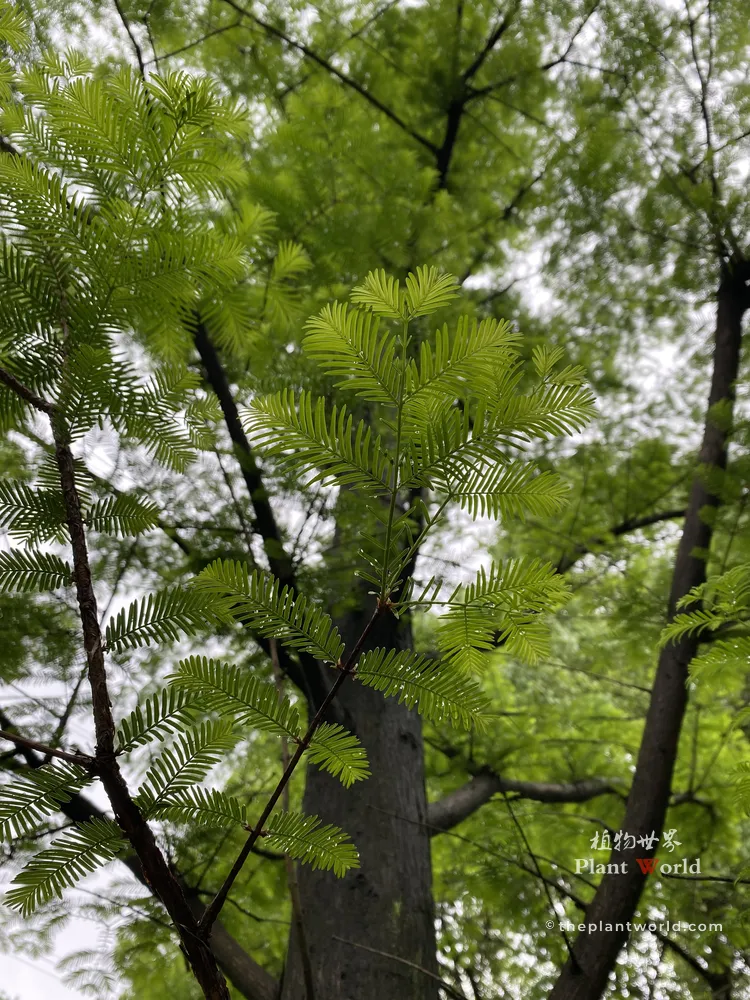
As one of Earth’s most spectacular living fossils, the Dawn Redwood preserves invaluable evolutionary traces of prehistoric ecosystems—standing alongside other iconic relict plants such as the ancient Ginkgo biloba (Maidenhair Tree) and the prehistoric Liriodendron chinense (Chinese Tulip Tree). It also bears the historical regional nickname “Water Fir” (Shuisuo). This local name references its native habitat of stream‑side valleys with persistently moist soil and brief seasonal flooding, though it cannot endure permanent submersion.
Plant Profile & Key Species Distinction
- Scientific Name: Metasequoia glyptostroboides Hu & W.C.Cheng
- Common Names: Dawn Redwood, Water Fir, Comb Fir
- Family: Cupressaceae (Cypress Family, formerly Taxodiaceae)
- Conservation Status: IUCN Endangered (Wild Populations); China Class-I National Protected Wild Plant
📌 Critical Species Distinction for Western Gardeners
Three iconic “redwood” trees from the Sequoioideae subfamily are frequently confused in global horticulture. To maintain botanical precision in your landscape design, here is how they differ:
| Species | Common Name | Leaf Type & Habit | Native Habitat | Key Identification Feature |
|---|---|---|---|---|
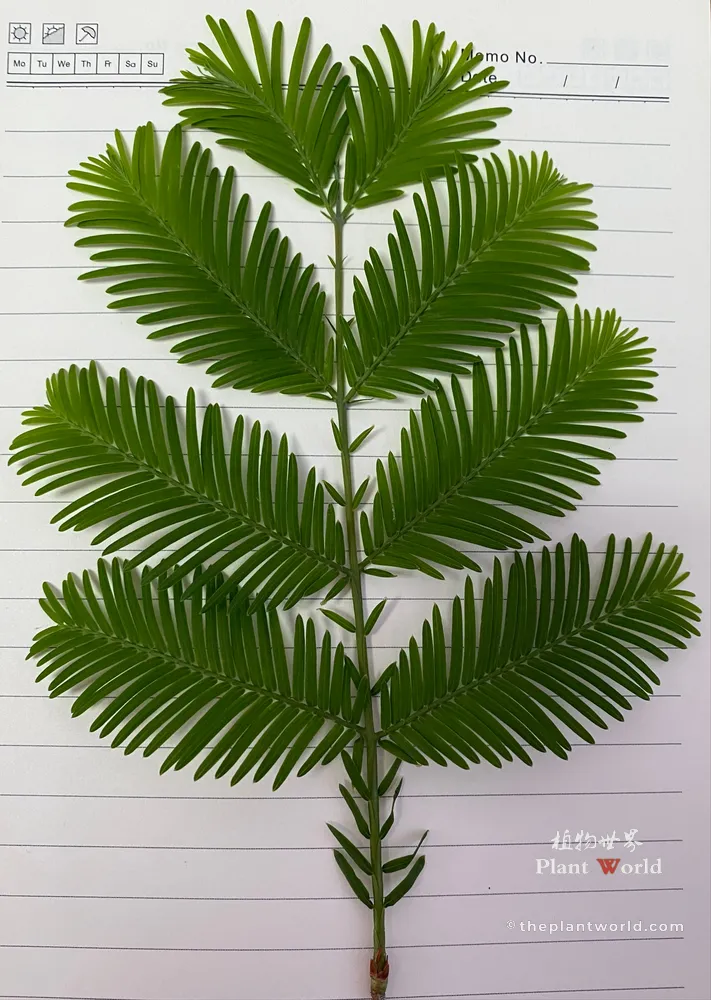
| Metasequoia glyptostroboides | Dawn Redwood | Deciduous; soft opposite feathery leaves | Hidden valleys of Central China | Only fully deciduous conifer among the three; intense bronze autumn foliage |
| Sequoia sempervirens | Coast Redwood | Evergreen; alternate needle-like sprays | Foggy Pacific West Coast, USA | World’s tallest trees; strictly evergreen and shade-tolerant |
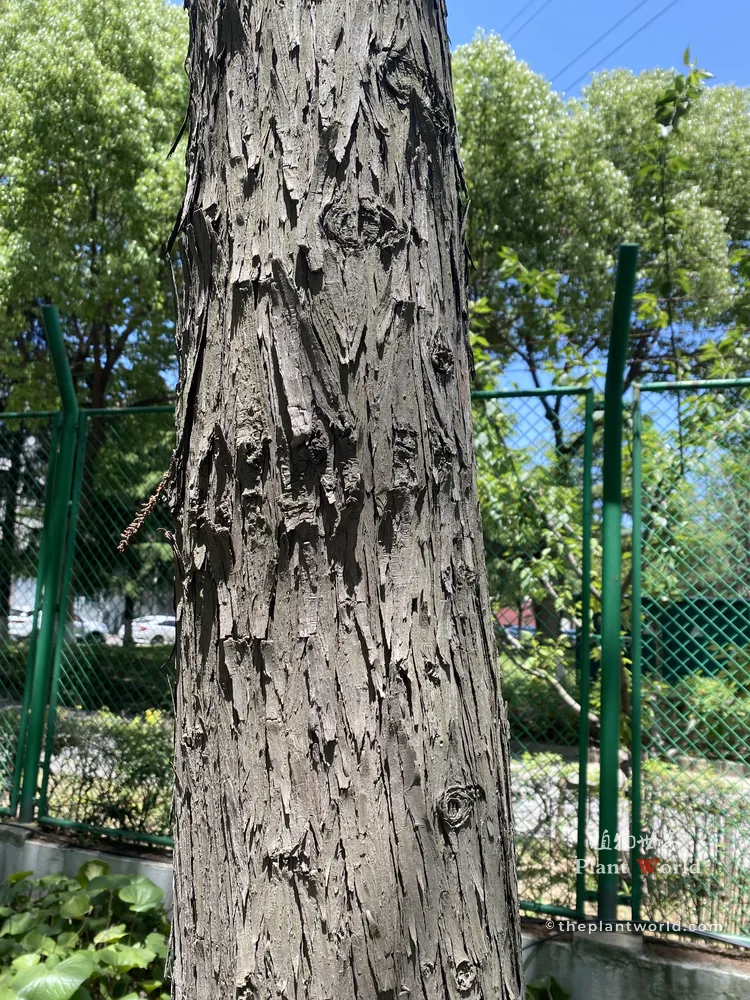
| Sequoiadendron giganteum | Giant Sequoia | Evergreen; small awl-shaped scalelike needles | High elevations of Sierra Nevada, California | Massive trunk girth; thick spongy reddish bark |
The Ultimate Botanical Resurrection of the 20th Century
Fossil records prove that during the Mesozoic Era, the Dawn Redwood once blanketed vast expanses of the Northern Hemisphere, flourishing alongside dinosaurs more than 100 million years ago during the Cretaceous period. For over a century, the global scientific consensus maintained that this ancient genus had vanished entirely during the Ice Ages, existing only as impressions within carbonized rock layers.
That botanical consensus was shattered in the 1940s. A magnificent, mysterious deciduous conifer was encountered in Modaoxi Village, Lichuan, Hubei Province. Through pioneering taxonomic evaluations led by Chinese botanists Hu Xiansu and Cheng Wancheng, scientists conclusively established that this living tree matched the prehistoric fossil genus Metasequoia.
This groundbreaking discovery stunned the global scientific community, ranking as one of the most celebrated botanical events of the 20th century. Shortly after World War II, seeds were distributed internationally via the Arnold Arboretum of Harvard University, reintroducing this prehistoric living fossil to botanical gardens across every continent.
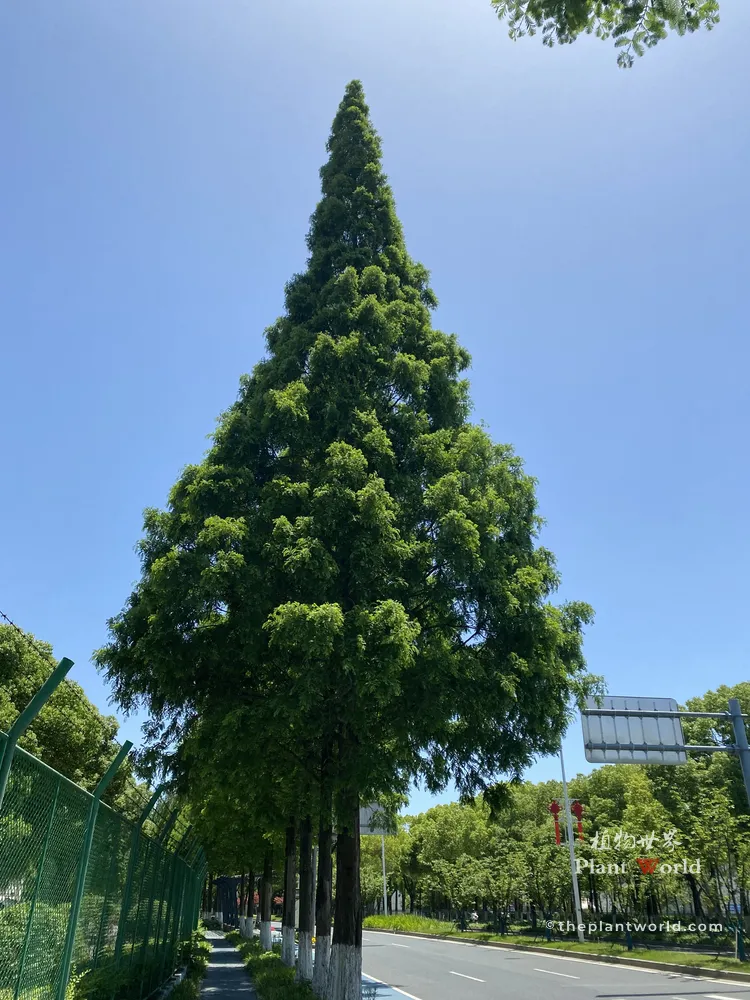
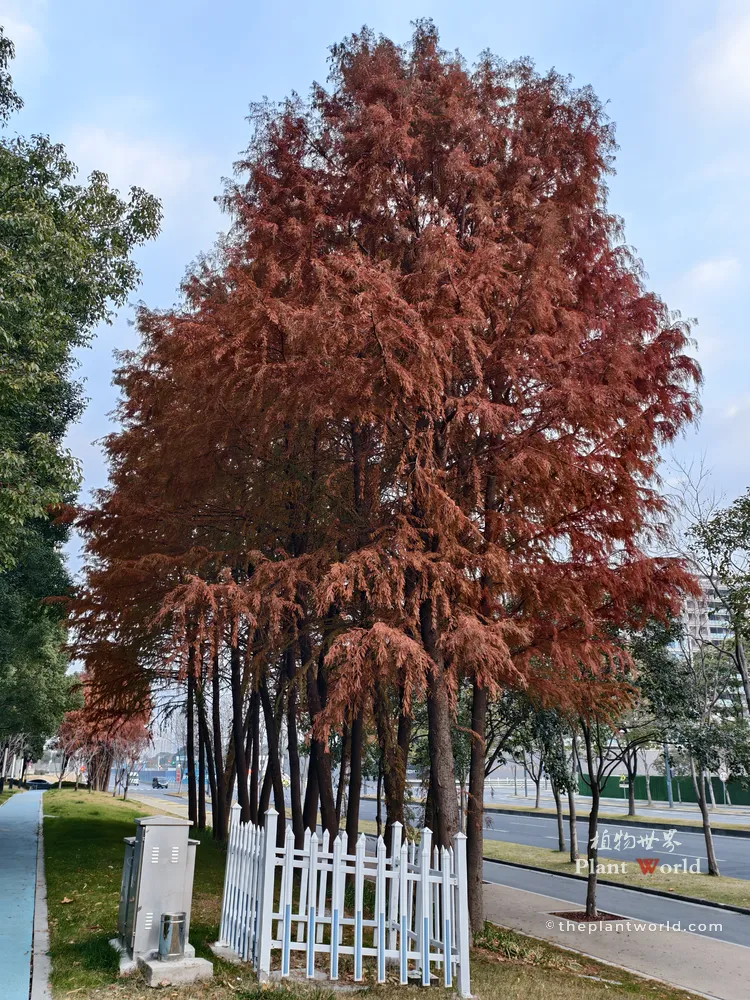
Today, mature, stately avenues of these trees line scenic urban spaces. Perfectly straight, column-like trunks rise sharply toward the sky, developing elegant, symmetrical pyramidal crowns that create breathtaking vertical landscapes along streets and lake shores.
Seasonal Beauty: Foliage and Cones
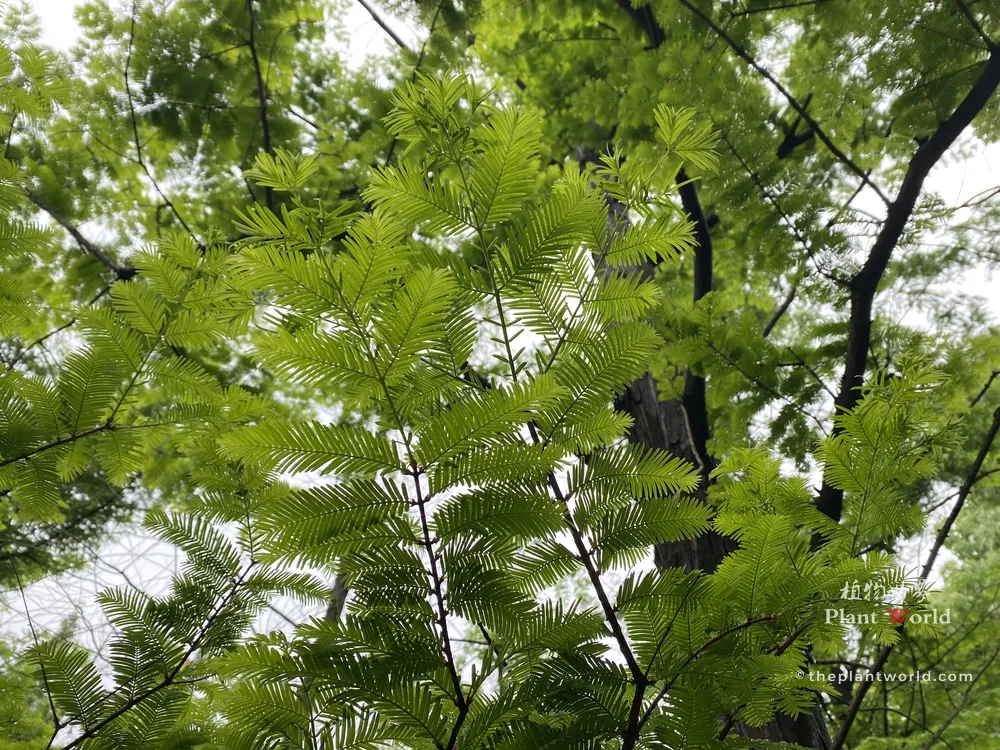
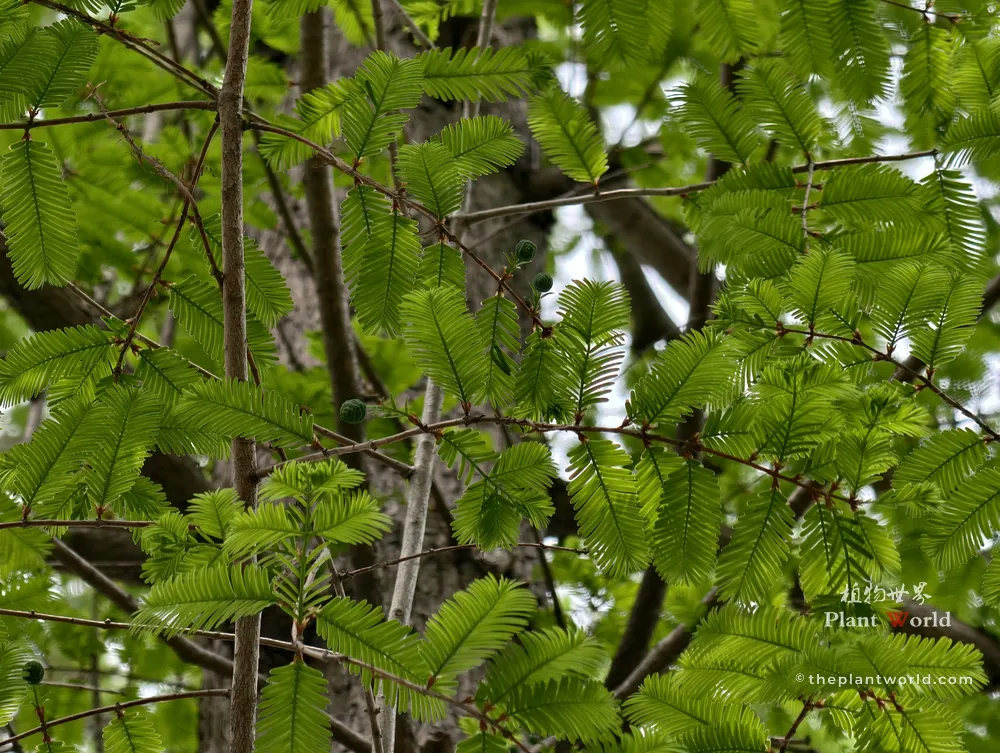
The Dawn Redwood delivers dynamic seasonal colour shifts year-round. Soft, linear, needle-like leaves arrange in flat, opposite, feathery sprays along branchlets. In early spring, new growth emerges in brilliant translucent pale chartreuse.
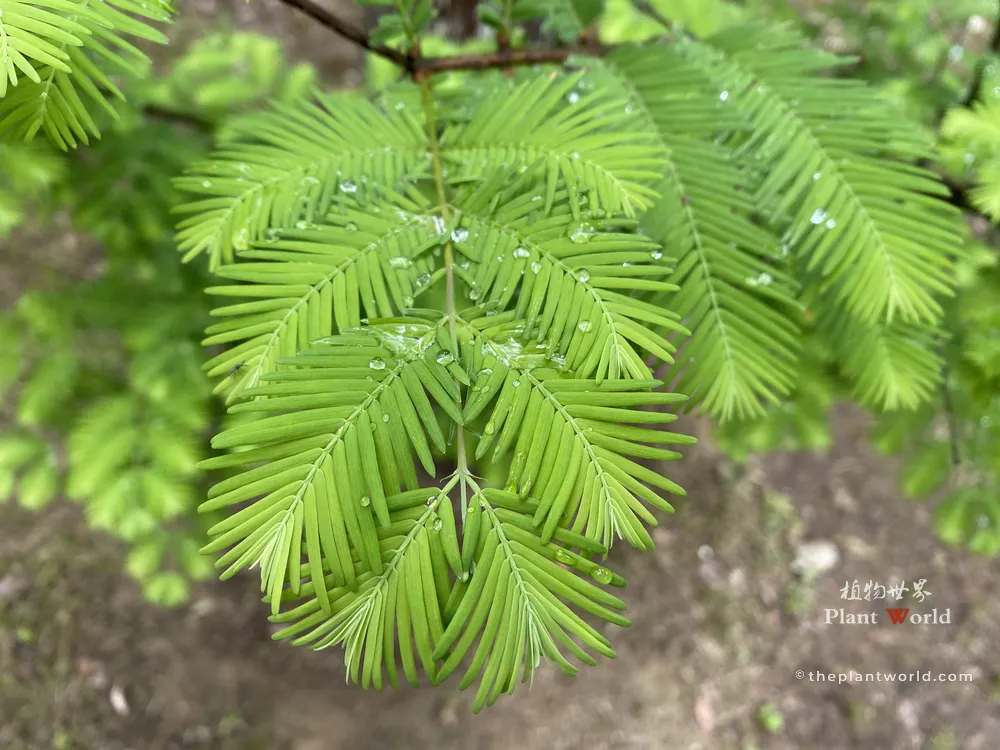
At the height of summer, the canopy deepens into rich, cooling emerald green. When bright midday sunlight filters through fine foliage, the leaf sprays resemble soft green feathers, evoking the primeval atmosphere of Jurassic landscapes.
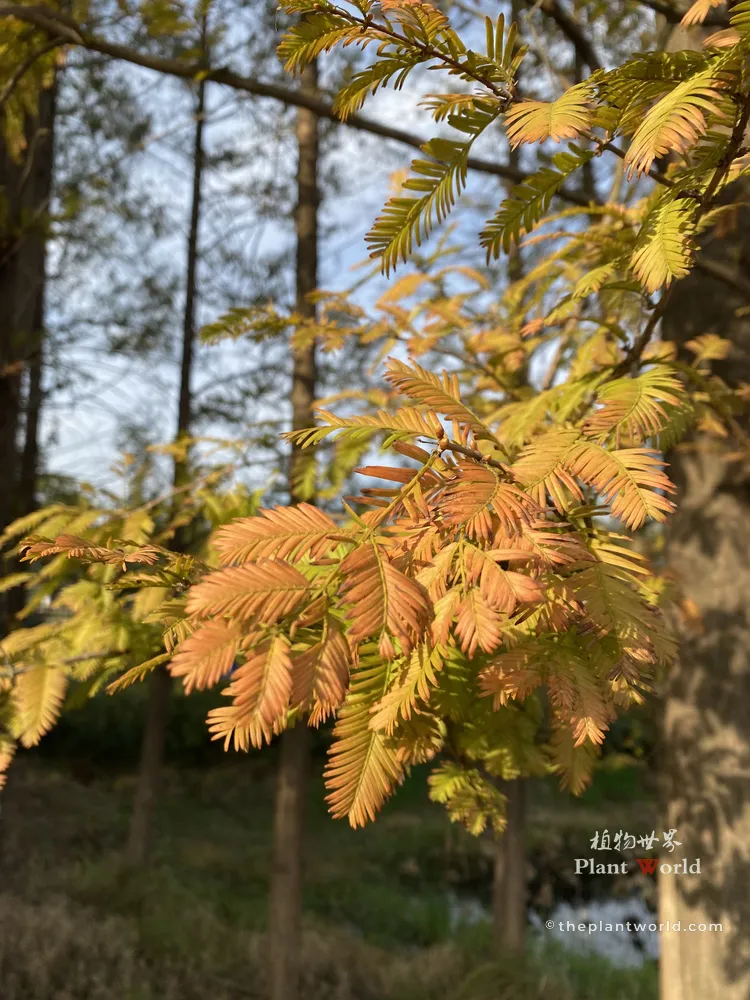
As cool autumn winds arrive, the entire Dawn Redwood canopy transforms into a glowing display of warm golden-amber, coppery-bronze, and rich orange, before leaves fall to carpet the ground for winter.
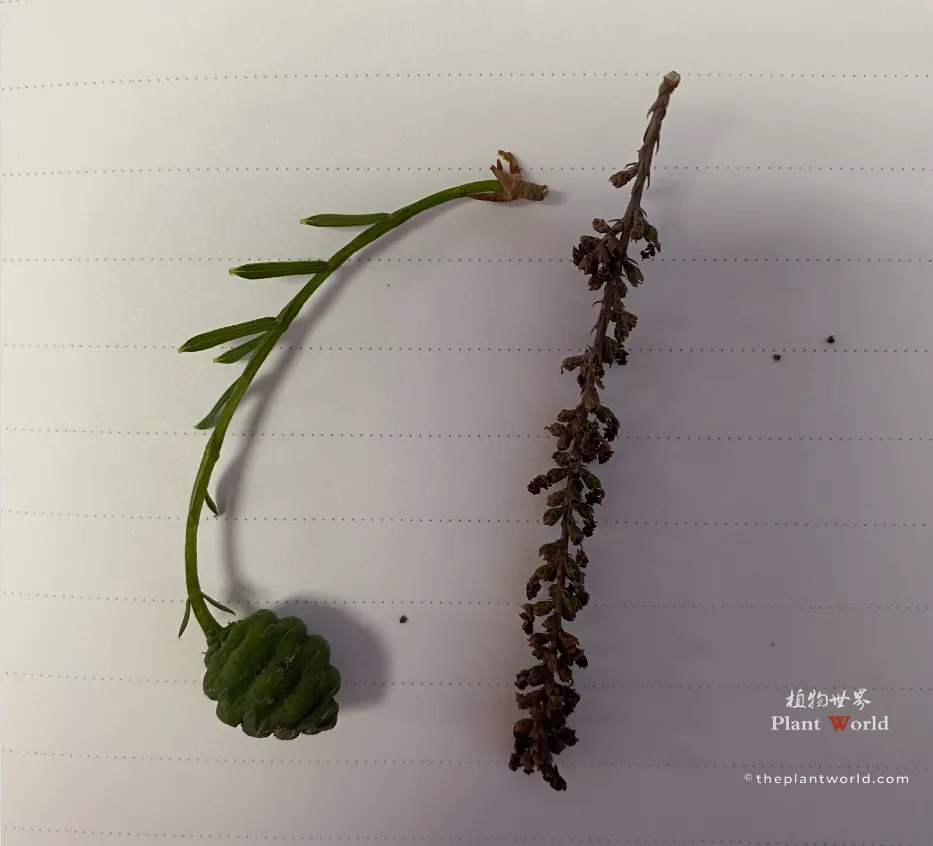
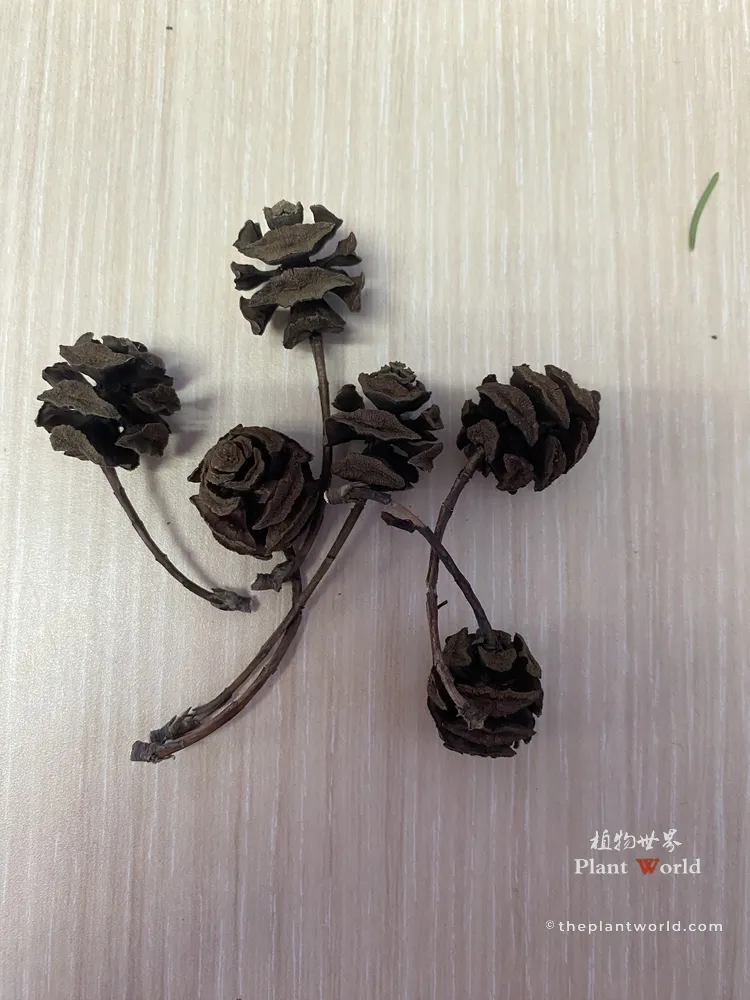
As a monoecious species, a single tree bears both male and female reproductive structures. Tiny male cones cluster in drooping terminal panicles; small, round, woody female cones hang individually from short lateral shoot tips. They ripen within one growing season and release small, papery-winged seeds.
Cultivation & Care Guide for the Dawn Redwood
Climate & Hardiness
- USDA Hardiness Zones: 5–9. Exceptional cold-hardiness; tolerates deep winter freezes.
- Pro Tip: In Zone 5, apply a thick layer of organic root mulch around young saplings during their first few winters to buffer soil against severe frost heaving.
Light & Placement
- Light Requirements: Full, unobstructed direct sunlight (minimum 6 hours daily) for fastest growth and the most intense, fiery autumn foliage colour.
- Garden Integration: Its dramatic, towering pyramidal silhouette makes it an outstanding structural accent for long entry avenues, large estate borders, and park lawns. It acts as a majestic vertical focal point, rising beautifully above lower‑growing evergreens such as Juniperus chinensis for classical border layouts. Though not used in ancient imperial or literati gardens, it has become a widely planted Chinese Garden Plants for modern‑style oriental landscapes, waterside parks and large‑scale public green spaces.
Soil & Moisture Tolerance
Unlike its American evergreen relatives, Dawn Redwood adapts well to varied soil conditions. It thrives in deep, nutrient-rich organic alluvial loams and tolerates heavy clay soils.
- Water Management: Exceptionally well-suited for wet locations, coping with seasonal flooding and permanently damp shorelines. Once its extensive root system is fully established, it also shows notable drought tolerance. Avoid heavily compacted, permanently waterlogged anaerobic soils without oxygen flow.
Maintenance & Pruning
Pruning needs are minimal. Perform light structural trimming only in late-winter dormancy to remove broken or storm-damaged branches. Do not top or heavily shear the crown; Dawn Redwood naturally develops its iconic formal pyramidal shape without heavy pruning.
Ecological Value & Modern Conservation
As a primitive relict species from remote geological times, Dawn Redwood plays an important role in modern wetland ecosystems. Its large, far-reaching root network functions as a natural bio-filter and soil stabiliser, reducing riverbank erosion and helping regulate local groundwater tables.
Thanks to its fast growth rate and high-efficiency photosynthesis, it absorbs large quantities of carbon dioxide, making it a valuable tree for urban-forest carbon-sequestration projects.
⚠️ Global Conservation Directive:
Cultivated, nursery-propagated Dawn Redwoods are widely planted around the world today. Nevertheless, original wild stands in Hubei, Chongqing, and Hunan remain critically threatened by habitat fragmentation. Wild specimens receive strict legal protection. Gardeners should always source plants from certified legal nursery stock and never disturb ancient wild groves.
Cultural Symbolism
Within Chinese cultural perception, Dawn Redwood symbolises perseverance, quiet resilience, longevity, and deep respect for nature. Having survived ice ages, geological upheaval, and mass extinction events that wiped out the dinosaurs, this stately conifer stands as a silent living monument to Earth’s tenacious life force.
Conclusion
Metasequoia glyptostroboides, the Dawn Redwood, is far more than an ordinary ornamental street tree. It is a rediscovered living fragment of prehistory, featuring feathery summer foliage, spectacular golden autumn colour, excellent waterside hardiness, and extraordinary palaeobotanical significance.
For landscape designers and home gardeners searching for a fast-growing, low-maintenance legacy specimen tree that brings profound scientific backstory and powerful structural grandeur to large properties, the Dawn Redwood remains an incomparable choice.
References
- Flora of China (English Edition): Metasequoia glyptostroboides Genus Account & Cupressaceae Taxonomy — Maintained collaboratively by the Missouri Botanical Garden and Harvard University Herbaria.
- The IUCN Red List of Threatened Species: Metasequoia glyptostroboides Wild Population Status & Conservation Action Plan — International Union for Conservation of Nature.
- Arnold Arboretum of Harvard University: The Discovery and Distribution of Metasequoia — Historical Archives of the 1947–1948 Seed Expedition.
- Royal Horticultural Society (RHS): Metasequoia glyptostroboides (Dawn Redwood) Cultivation & Award of Garden Merit Specifications — London, UK.
- Plants of the World Online (POWO): Metasequoia glyptostroboides Hu & W.C.Cheng Native Distribution Map — Hosted by the Royal Botanic Gardens, Kew.
More from The Plant World:
- Chinese Wingnut: The Romantic “Ingot Tree” and Its Cultural Charm
- Plum Blossom Meaning: Symbolism & Cultural Significance
- The Hidden Meanings Behind Red Plum Blossoms
- Chinese Wisteria: History, Symbolism, and Identification
- Peach Blossoms in China: History, Culture, and Symbolism
- Chinese Crepe Myrtle: Guide to Origins & Symbolism
- Ginkgo Leaf Meaning: 5 Secrets of This Ancient Fossil
- Chinese Loquat Tree: Guide to Benefits & History
- Rose of Sharon Tree: Guide to Meaning & Care
- Hosta Plant Benefits: 5 Surprising Uses & Planting Guide
- Strawberry Begonia Care: How to Grow Saxifraga Stolonifera
Discover more from The Plant World
Subscribe to get the latest posts sent to your email.