When exploring the ginkgo leaf meaning, we unlock thousands of years of profound spiritual energy, healing, and ancient wisdom.If you’ve ever searched for the ginkgo leaf spiritual meaning, you’ve likely felt the gentle, calming energy this ancient tree carries.
Wild ginkgo populations are endemic exclusively to China, making it one of the oldest surviving plant species on Earth. Like the Chinese Tulip Tree and Dawn Redwood (Metasequoia glyptostroboides), it is a prehistoric relict whose evolutionary lineage stretches back more than 200 million years. Having survived ice ages, mass extinction events, and countless environmental changes, this extraordinary resilience makes the ginkgo far more than a pretty autumn tree — it is a powerful spiritual symbol cherished across both Eastern and Western cultures.
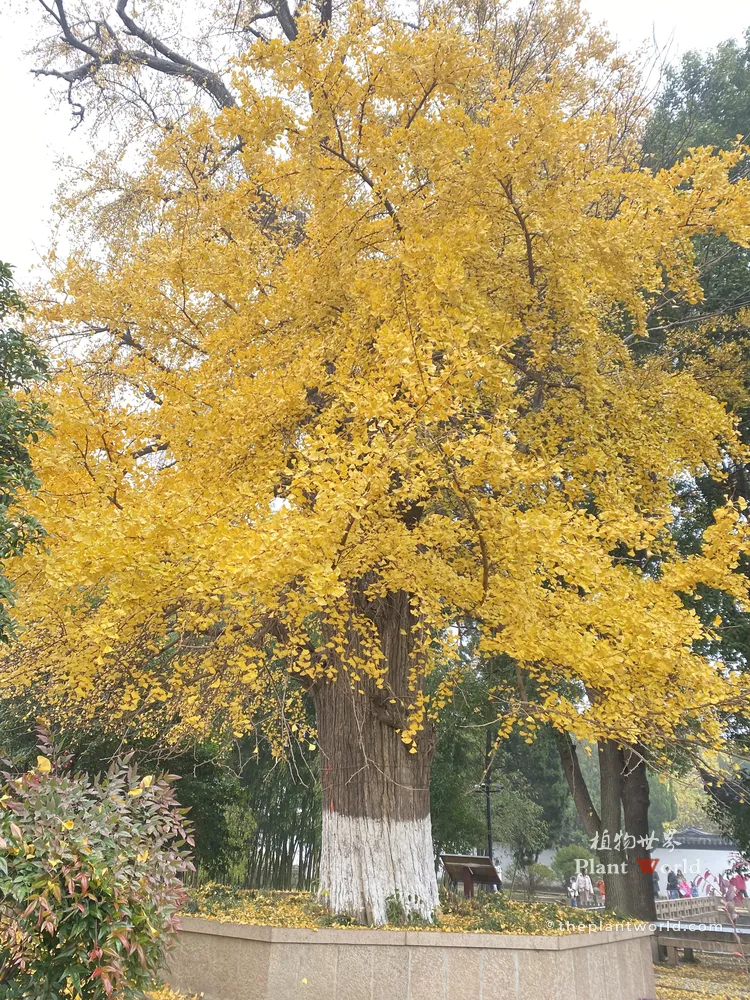
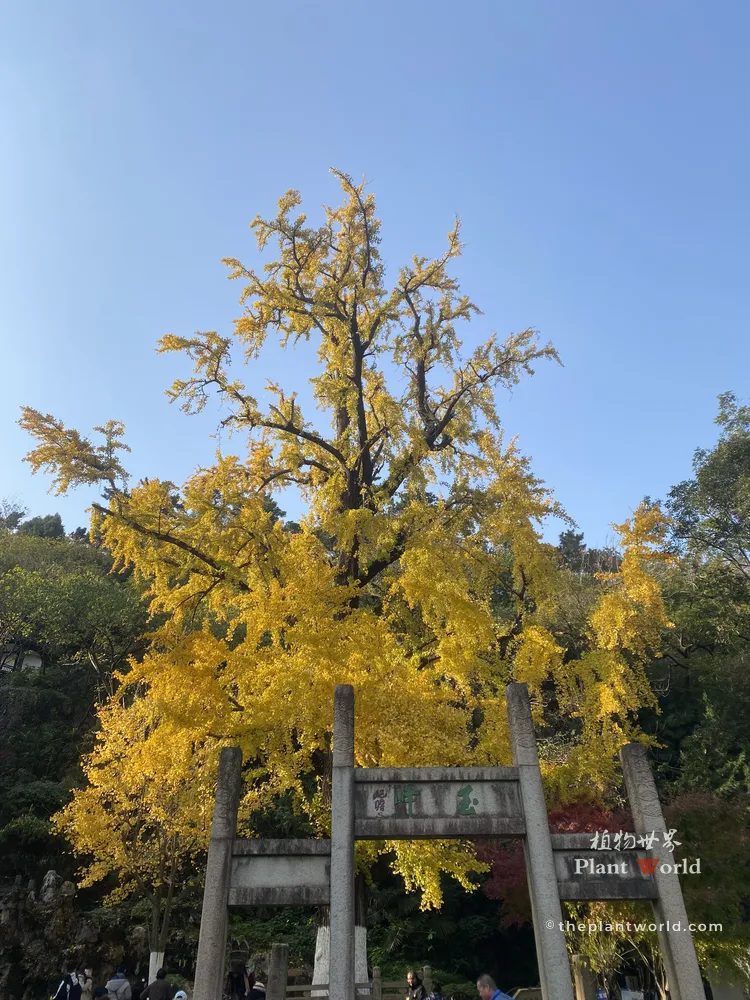
A magnificent ancient ginkgo tree standing as a living witness to history, radiating calm healing energy with its golden autumn splendor.
The Unique Shape That Defines Its Spiritual Energy
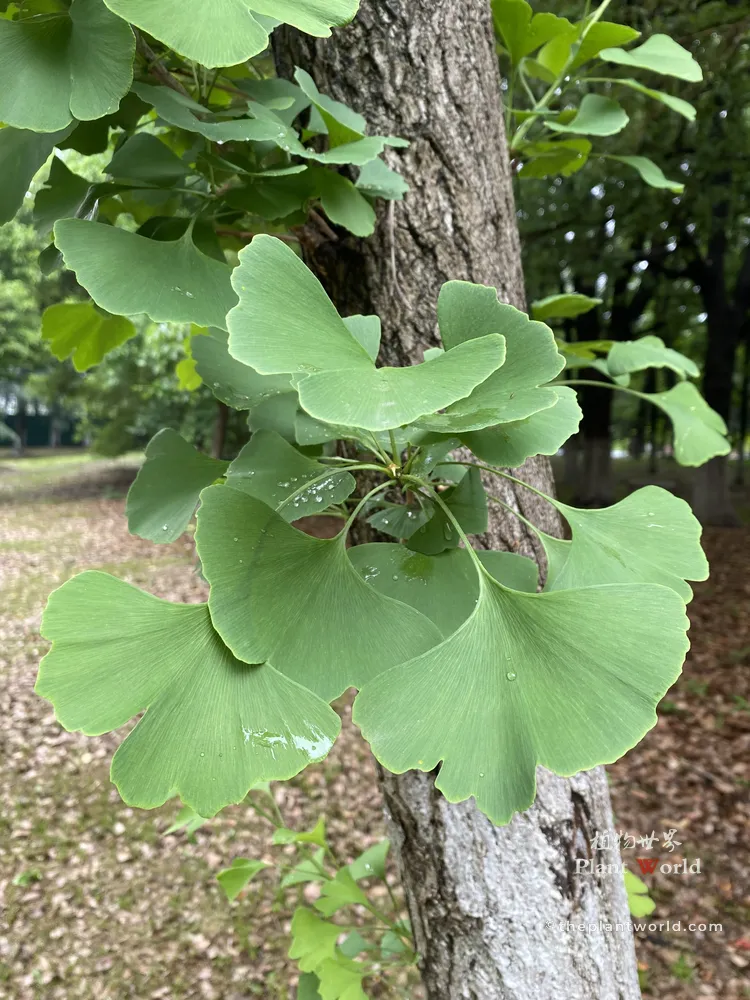
Every spiritual meaning of the ginkgo leaf comes from its one-of-a-kind shape. A ginkgo leaf is a perfect fan: it splits into two delicate lobes at the top and joins back into one unified base. This simple, symmetrical structure represents two parts becoming one — a natural metaphor for balance, unity, and harmony.
What makes it even more special? Ginkgo leaves have kept this exact same shape since the dinosaur era. While countless species evolved or disappeared, the ginkgo stayed steady and unchanged. This natural stability gives the leaf its core spiritual vibration: rebirth, perseverance, and an eternal life force. When people ask, “what does a ginkgo leaf symbolize?”, the answer always begins with this timeless harmony of dualities.
The perfect fan-shaped ginkgo leaves showing the dual lobes, a natural symbol of unity and inner balance.
Eastern Spiritual Meaning: Peace, Perseverance and Gentle Longevity
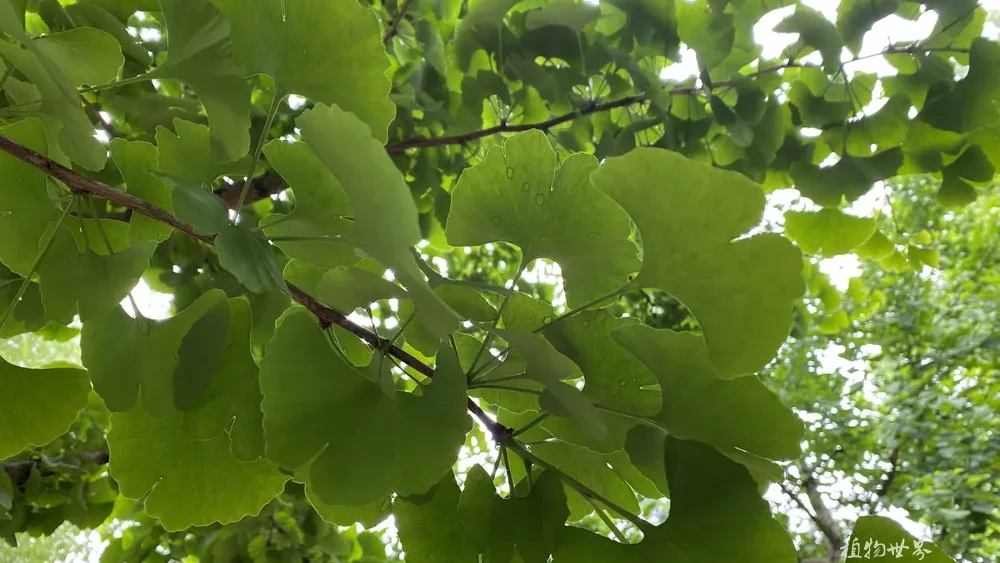
Letting the light shine through: The serene energy of the ginkgo tree, a reminder of inner calm in a busy world.
As a revered Chinese Garden Plant, ginkgo has been admired in Chinese culture for thousands of years. It grows slowly and lives for over a millennium, blooming and shedding leaves calmly. Its spiritual meaning is mild yet profound, honoring life itself:
Resilience and Renewal: Ginkgo trees lose all their leaves in winter, yet burst with brand-new, vibrant foliage every spring. They have endured global disasters and still thrive today. To Eastern people, the ginkgo symbolizes hope through hardship: no matter how tough life gets, renewal always comes.
Inner Peace and Wholeness: The leaf’s balanced, symmetrical form stands for inner calm, acceptance, and completeness. It encourages people to let go of obsession, embrace life’s changes, and live with grace and ease. Traditionally, ginkgo leaves were seen as lucky talismans for peace and good fortune.
Steady, Lasting Love and Loyalty: Ginkgo’s long lifespan and quiet, consistent growth represent enduring bonds — in family, friendship, and personal integrity. It stands for quiet perseverance rather than loud passion, reminding us that the most beautiful things in life grow slowly and stay steady over time.
Western Spiritual Meaning: What Global Readers Search For
The ginkgo leaf symbolism is extremely popular in Western wellness, meditation, and spiritual communities. Western interpretations are simple, heartfelt, and deeply connected to the tree’s unique history and natural traits:
1. Harmony and Balance
Western spiritual lovers adore the ginkgo’s dual-lobe design. It perfectly symbolizes duality in unity: light and dark, body and mind, emotion and reason. It is widely used in mindfulness practices to help clear inner chaos, reduce anxiety, and restore a peaceful balance in daily life.
2. Survival Strength and Rebirth
Since ginkgo survived global cataclysms, it is regarded as the ultimate symbol of resilience.
Most famously, six ginkgo trees miraculously survived the 1945 atomic bomb in Hiroshima. Located near the epicenter, they sprouted fresh green leaves amidst the ruins when all other life seemed lost, earning them the global title of “The Bearers of Hope.”
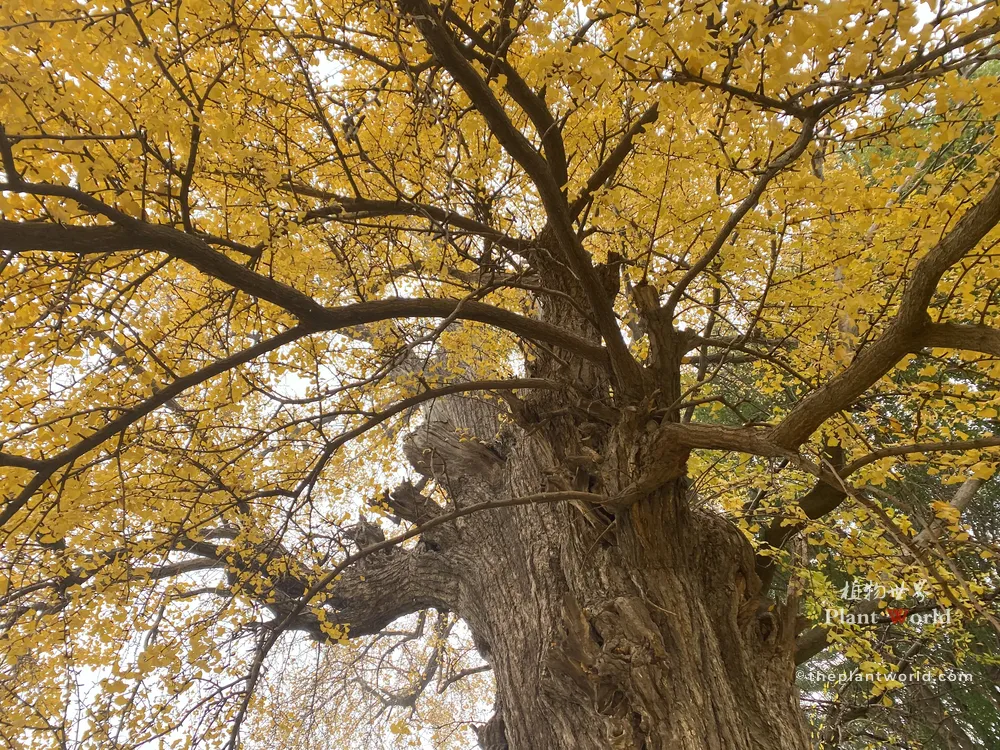
Standing since the Tang Dynasty: The deeply textured bark and golden canopy of a thousand-year-old ginkgo tree.
For anyone navigating trauma, illness, or major life shifts, the ginkgo leaf is a profound spiritual emblem of deep healing and the courage to start fresh.
3. Eternal Connection and Soul Bonds
Thanks to the famous German poet Johann Wolfgang von Goethe, Western culture deeply associates ginkgo leaves with pure, eternal love. In 1815, Goethe sent a handwritten poem along with a two-lobed ginkgo leaf to his beloved muse, celebrating how a single leaf could represent two souls intertwined. Today, its “two parts, one whole” shape remains a beautiful symbol of soul connections, mutual support, and lasting companionship.
4. Ancient Wisdom and Clarity
Because ginkgo trees live for thousands of years, they symbolize quiet wisdom, mental clarity, and spiritual maturity. The leaf serves as a reminder to learn from the past, trust our roots, and live with gentle foresight.
Understanding the Deep Ginkgo Leaf Meaning
Most flower and tree symbols are culturally limited; a plant with a positive meaning in the East may carry a different message in the West. But the ginkgo is rare — its spiritual meaning resonates deeply across all cultures.
Its power does not come from human imagination alone. It comes from real natural history: it survived impossible conditions, maintained its pure form, and renews itself endlessly every year. Originating in China, this ancient tree has traveled across the world to become a global symbol of hope. Its energy is not aggressive or dramatic; instead, it is calm, steady, healing, and eternally alive.
Modern Spiritual & Daily Symbolism
In ancient Chinese temples, ginkgoes were planted as sacred meditation trees. Monks admired their silent growth and quiet seasonal cycles, seeing them as a symbol of mindfulness and spiritual clarity. People would carry ginkgo leaves as gentle lucky charms for peace and protection.
In ancient Chinese temples, ginkgoes were planted as sacred meditation trees. Monks admired their silent growth and quiet seasonal cycles, seeing them as a symbol of mindfulness and spiritual clarity. Alongside revered temple trees such as the Buddhist Pine (Podocarpus macrophyllus), ginkgo shaped traditional Chinese temple‑garden aesthetics. People would carry ginkgo leaves as gentle lucky charms for peace and protection.
Today, the ginkgo leaf remains deeply meaningful for modern life. In a fast-paced, stressful world, it reminds us to stay balanced, trust the process of renewal, and hold steady through every season of change.
Planted by Buddhist monks back in the Southern Song Dynasty (1174–1189), this resilient ancient ginkgo tree still flourishes proudly behind the stone gate of Tinglin Park.
Final Thought
The global love for the ginkgo leaf spiritual meaning ultimately points to one simple truth: this ancient tree carries a universal message for all of humanity. It teaches us to be strong but gentle, steady but open to change, and grounded yet hopeful. With just one simple, fan-shaped leaf, the ginkgo shares billions of years of life wisdom — offering a sense of calm healing for every human heart.
References & Botanical Sources
[1]中国植物志编辑委员会.中国植物志(第7卷:裸子植物门 银杏科)[DB/OL]. [2]百度百科.银杏[DB/OL]. [3]Wikipedia contributors.Ginkgo biloba[DB/OL].Wikipedia, The Free Encyclopedia. [4]Plants of the World Online.Ginkgo biloba Linnaeus[DB/OL].Royal Botanic Gardens, Kew. [5]iNaturalist.Ginkgo (Ginkgo biloba)[DB/OL]. [6]Hiroshima Ginko Trees.The Legacy of Hiroshima: Hibakujumoku (A-Bombed Trees)[DB/OL].
More from The Plant World:
If you enjoyed discovering the spiritual wisdom of the Ginkgo tree, you might also like these botanical journeys: