
Introduction
When summer arrives along the mist‑shrouded riverbanks of Jiangnan, clusters of pure‑white gardenia blossoms bloom beside white‑walled courtyards. This elegant flower is Gardenia jasminoides, widely known in Western horticulture as Cape Jasmine. Its rich, mellow yet soft fragrance drifts far on warm evening breezes, making it one of the most beloved traditional flowering‑shrub sources of fragrance among Chinese Garden Plants.
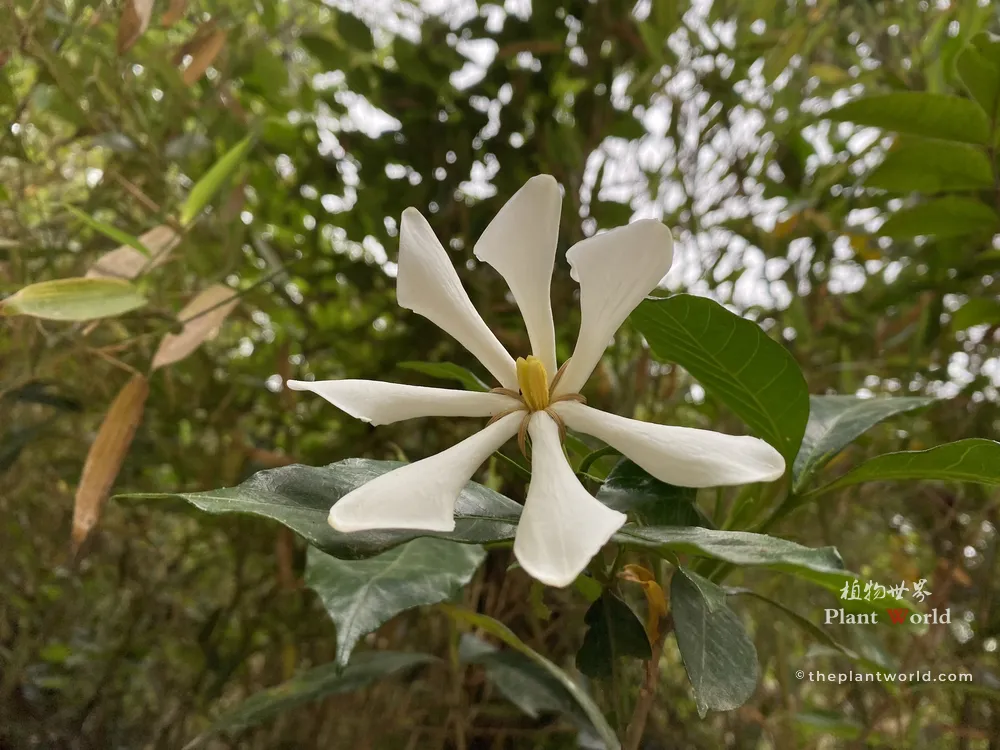
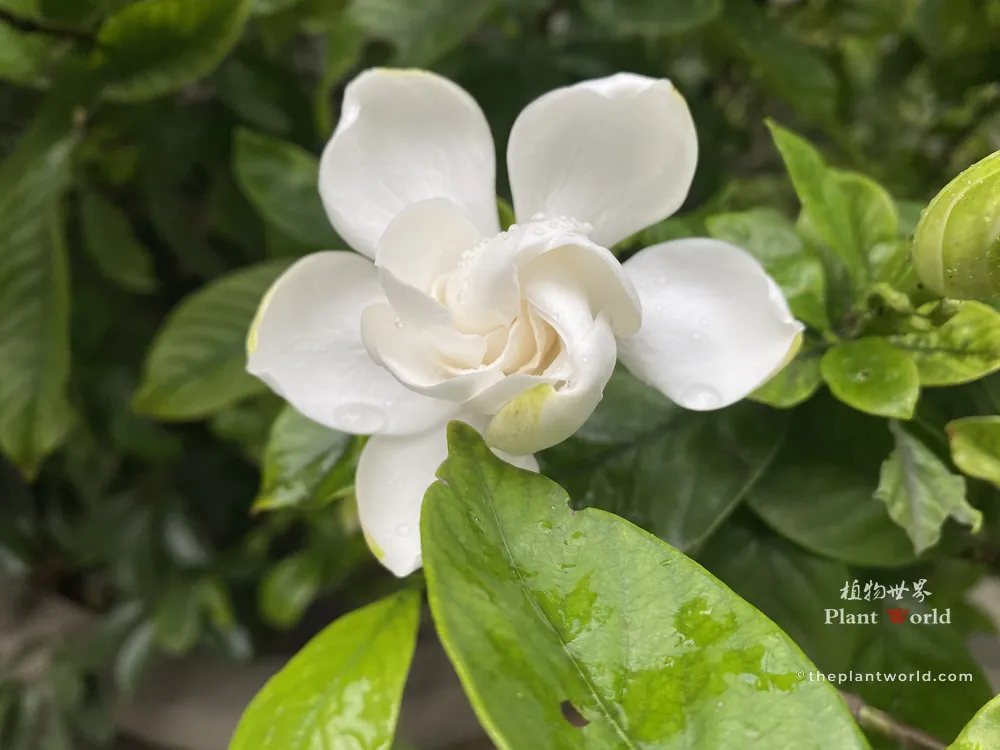
“Unlike double-flowered garden cultivars, the wild single-petaled form—such as this seven-petaled blossom photographed on Xuelang Mountain in Wuxi—represents the native botanical species revered in ancient Chinese history for both its intense fragrance and natural pigment-bearing fruits.”
Many Western gardeners are initially confused by its common name, Cape Jasmine. Despite the title, it is neither native to South Africa’s Cape of Good Hope, nor is it closely related to true jasmine (Jasminum sambac). Its original homeland is subtropical southern China, where it has been deeply revered and actively cultivated for well over 2,000 years.
Plant Profile: What Is Gardenia jasminoides?
- Scientific Name: Gardenia jasminoides J.Ellis
- Common Names: Cape Jasmine, Common Gardenia
- Family: Rubiaceae (Coffee Family)
Gardenia jasminoides is a glossy, broadleaf evergreen shrub ranging from 0.3 to 3 metres in height. Its traditional Chinese name, Zhizi (栀子), derives elegantly from the distinctive shape of its autumn fruit. The seed capsule closely resembles an ancient ritual wine vessel named a zhi (卮). Since it grows as a woody shrub, the character for wood (木) was later integrated to form its modern botanical name. The legendary herbalist Li Shizhen meticulously documented this origin in his famous work, the Compendium of Materia Medica.
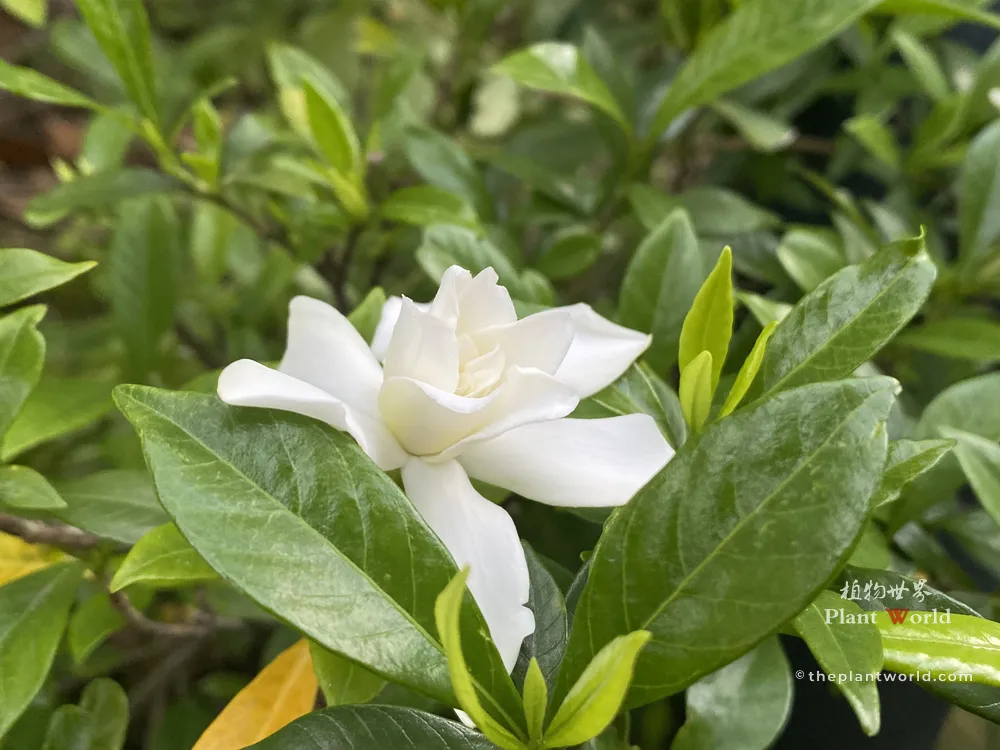
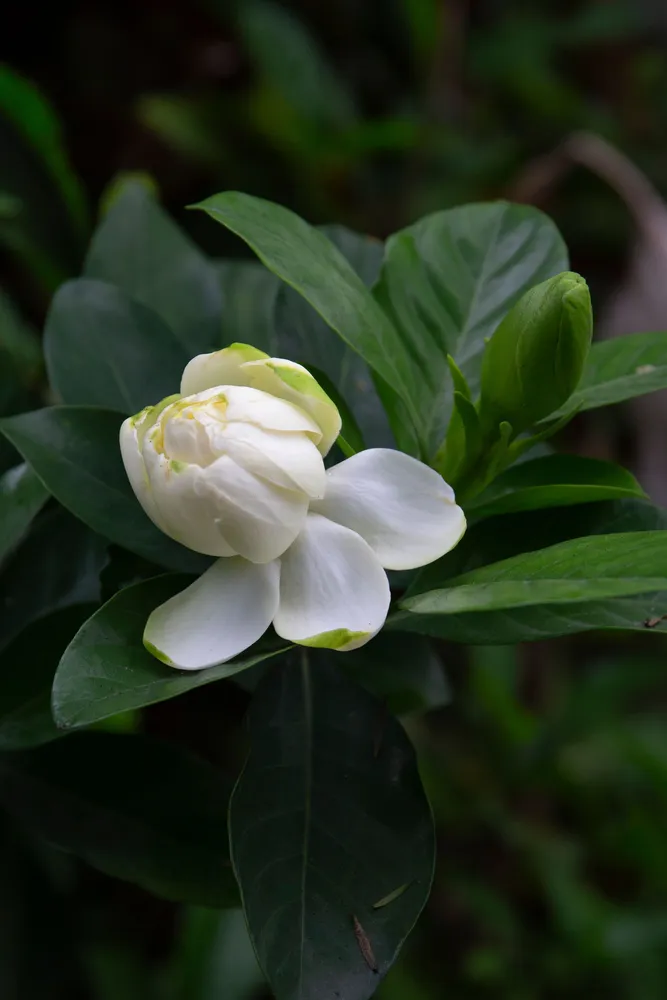
Multiple cultivated varieties exist globally today, including the large-flowered gardenia, dwarf bird’s-tongue gardenia, water gardenia, and various variegated foliage forms. The blossoms can be single or double-layered. Each funnel-shaped blossom bears 5 to 8 creamy-white petals that release an unforgettable, velvety rich scent throughout the peak of summer, blooming right as the spring cycle concludes and wilder species like the silver cockscomb care begin to take over the open fields.
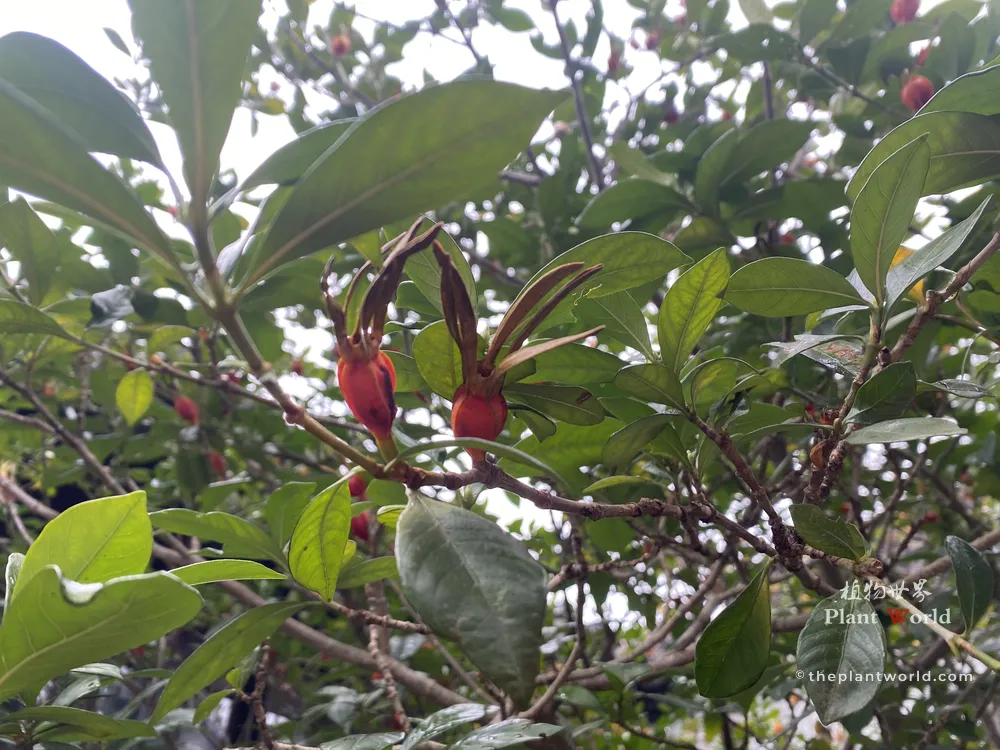
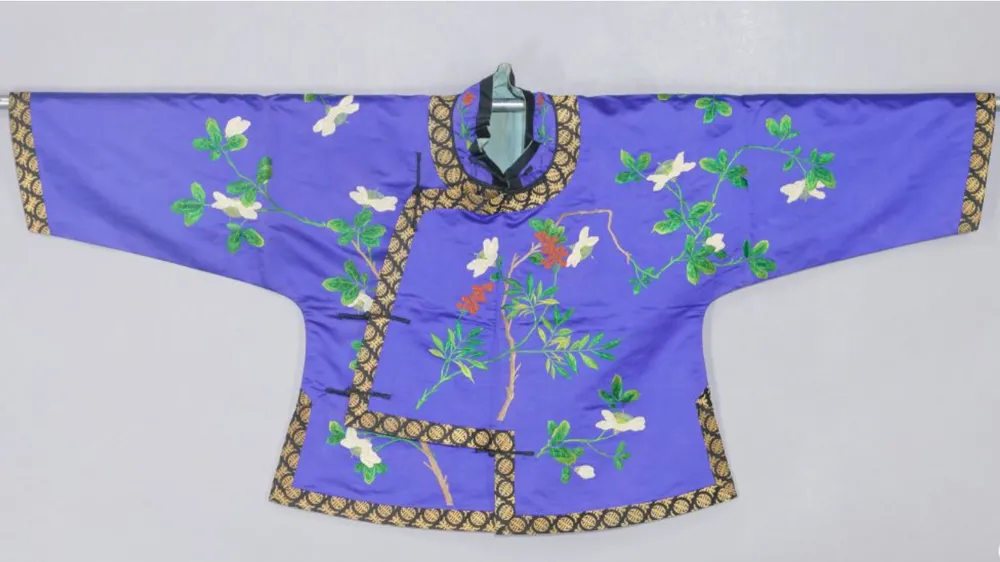
After flowering, a spindle-shaped orange-red fruit develops in late autumn. Marked with 5–9 prominent winged ridges, the fruit holds an abundant supply of natural yellow pigment. In ancient China, gardenia fruit and madder root were the two most critical raw materials used for dyeing imperial garments, long before the cultural rise of ornamental climbers like the hollyhock flower in domestic spaces.
Cultivation & Care Guide for Cape Jasmine
Hardiness
- USDA Hardiness Zones: 8–10. It easily tolerates light, short-lived frosts; however, it is highly recommended to apply a thick layer of organic mulch at the roots for winter protection in Zone 8. Gardeners living in northern, colder regions can successfully grow it in large terracotta containers and move it indoors to a sunny window during freezing weather.
Light & Position
- Requirements: Prefers bright, dappled partial shade. Harsh, direct midday summer sun may easily scorch the lush foliage. It works beautifully when positioned beneath windows, along eastern courtyard borders, beside oriental garden rockeries, or within sensory fragrance gardens.
Soil – The Most Critical Cultivation Tip
Gardenias strictly require acidic soil within a precise pH range of 5.0–6.5. This is the single greatest reason why most amateur growers struggle with chronically yellow leaves. Alkaline soil or hard water conditions lock up iron within the earth, triggering severe leaf chlorosis (where leaf veins remain green while the surrounding tissue turns pale yellow).
To prevent and treat this:
- Always pot or plant using specialized ericaceous compost.
- Occasionally feed the shrub with chelated iron or sulphate of iron to maintain soil acidity.
- Avoid watering with hard tap water; use collected rainwater or distilled water whenever possible.
Water & Maintenance
- Keep the soil evenly and consistently moist, but never allow the ground to become waterlogged, which quickly triggers devastating root rot. Lightly prune the shrub immediately after the summer flowering cycle completes to maintain its architectural shape. Regularly remove faded, browning blooms to encourage secondary flushes of growth.
Gardenia in Chinese History & Classical Literature
Human cultivation records of Gardenia jasminoides stretch back magnificently to the Han Dynasty (202 BCE–220 CE). Imperial courts constructed dedicated botanical plantations named Zhixi Gardens, staffed with full-time government keepers tasked with tending gardenia crops for high-end textile dye production. The famed poet Sima Xiangru explicitly referenced the gardenia in his masterpiece, Rhapsody on Shanglin Park.
From the Wei and Jin dynasties onward, the cultural paradigm shifted from utility to aesthetic admiration. The poet Xie Tiao wrote beautifully about gardenia growing beside stone courtyard steps, praising its glossy evergreen foliage and distinctive winter fruit.
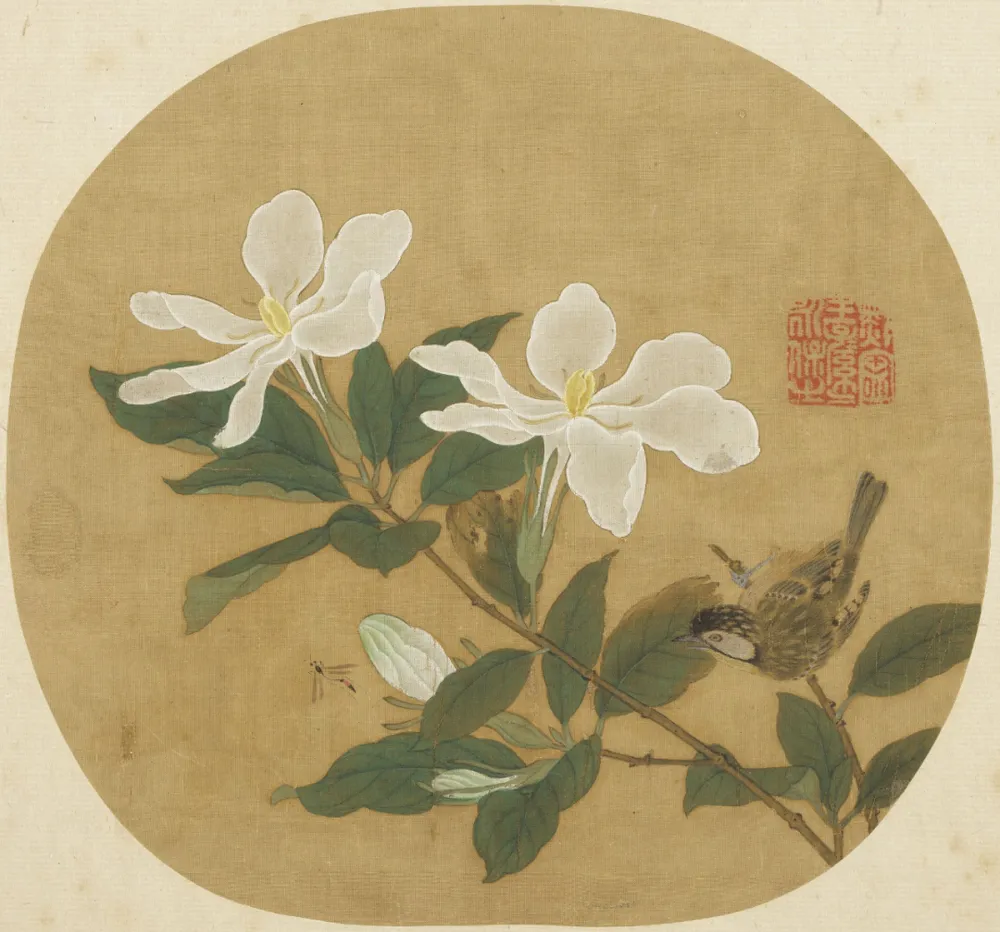
By the Tang Dynasty, the gardenia had escaped imperial walls and entered ordinary rural homesteads. The poet Wang Jian captured this peaceful, agrarian atmosphere perfectly in his celebrated poem Rain Passes the Mountain Village:
“Rain brings rooster calls from scattered homes,
Bamboo streams wind past rustic plank bridges.
The women hurry to tend their silkworms,
And pause to admire the gardenia blooming in the yard.”
The Buddhist Connection: The “Chan Guest”
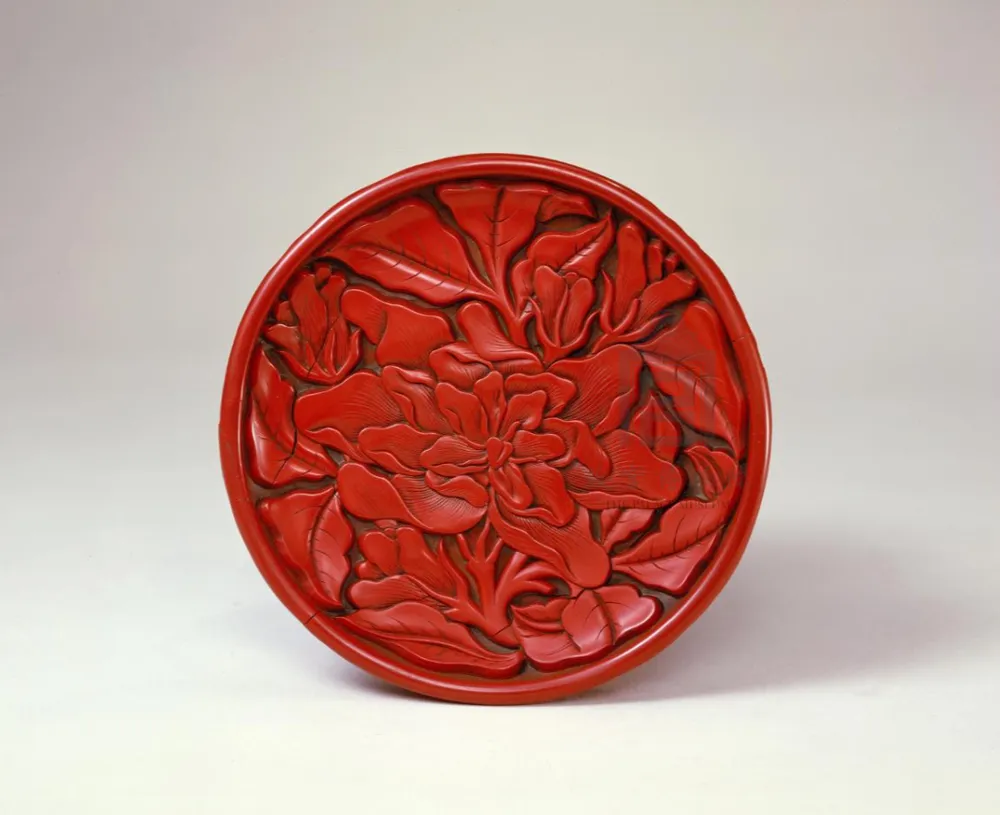
A long-standing cultural debate surrounds the gardenia’s ancient Sanskrit-derived alias, the Zhanbo Flower. Tang Dynasty texts like the Youyang Zazu recorded that the gardenia was the true Zhanbo, a sacred bloom heavily praised in Buddhist scriptures. While modern academic research notes that the true original Indian Zhanbo flower is likely Michelia alba (white champak), the gardenia permanently inherited this deep spiritual connection in China, earning it the elegant literary nicknames “Chan Guest” or “Chan Friend.”
During the Song Dynasty, this matched the literati’s quiet, subtle aesthetic perfectly. Intellectuals loved comparing its pure white blooms to the calm, detached mindset of spiritual practitioners. The poet Yang Wanli wrote this celebrated line:
“Slender, pure blooms carry quiet grace,
Their cool fragrance eases the heat of summer days.”
The Aroma Controversy
Interestingly, views on the gardenia’s fragrance were not universally positive throughout history. Writers from the Ming and Qing dynasties held highly mixed opinions. The scholar Wang Shimao wrote that its scent felt overly aggressive and lacked the subtle refinement found in the classic plum blossom meaning.
Wen Zhenheng warned in his design manuals that tiny insects frequently drifted toward nostrils when smelling the blossoms too closely, suggesting it was entirely unsuited for quiet, scholarly studies. Even the celebrated modern writer Wang Zengqi commented that its powerful aroma could feel almost overwhelming to the senses. Such contrasting historical views demonstrate just how deeply the gardenia was embedded in the daily fabric of cultural life.
Edible & Traditional Herbal Legacy
Culinary Art
Fresh, young petals of Gardenia jasminoides are valued as a delicate, edible wild flower across southern China. Carrying a very gentle, pleasant bitterness, common traditional cooking methods include blanching and stir-frying the petals with farm-fresh eggs or cured meats, boiling them into clear summer soups, preserving them in local honey, or drying them carefully to brew an intensely aromatic herbal tea. Always blanch the petals briefly in boiling water to remove excess bitter sap before culinary preparation.
Ethnobotanical Lore
Every anatomical part of the gardenia plant—roots, leaves, blossoms, and fruits—has been utilized within traditional East Asian wellness systems for centuries. Culturally, practitioners utilized its cooling properties to balance internal summer heat and soothe bodily restlessness. Today, the blossoms are frequently distilled to produce pure floral hydrosols, highly prized in regional folk aromatherapy for calming the mood and easing everyday stress.
⚠️ Important Botanical Disclaimer: All herbal and edible applications outlined in this article are shared strictly for cultural, historical, and educational reference. This content does not constitute professional medical advice. Always identify plants with absolute certainty before consumption, and consult a qualified healthcare professional before using any plant materials therapeutically.
Final Conclusion
Gardenia jasminoides, the fragrant Cape Jasmine, is far more than a simple, popular flowering shrub for temperate gardens. Native to the heart of southern China, it carries over two thousand years of living history: imperial textile dye production, classical Tang and Song poetry, Buddhist spiritual metaphors, courtyard landscape design, folk cuisine, and rich herbal heritage.
If you are searching for a highly scented, glossy evergreen shrub that delivers timeless oriental charm, deeply layered cultural stories, and elegant summer blooms, Cape Jasmine deserves a premium, prominent place in your garden borders this coming season.
References
- Flora of China (English Edition): Gardenia jasminoides Species Account & Rubiaceae Taxonomy — Jointly managed by the Missouri Botanical Garden and Harvard University Herbaria.
- Plants of the World Online (POWO): Gardenia jasminoides J.Ellis Native Range and Distribution Map — Facilitated by the Royal Botanic Gardens, Kew.
- Royal Horticultural Society (RHS): Gardenia jasminoides (Cape Jasmine) Cultivation and Pruning Guidance — The leading authority on European temperate horticulture.
- North Carolina State University Extension: Acid-Loving Shrub Profiles: Growing Gardenia Successfully — Premier North American academic gardening database.
- Compendium of Materia Medica (Li Shizhen) & Rhapsody on Shanglin Park (Sima Xiangru) — Classical Historical and Literary References.
More from The Plant World:
- Chinese Wingnut: The Romantic “Ingot Tree” and Its Cultural Charm
- Plum Blossom Meaning: Symbolism & Cultural Significance
- The Hidden Meanings Behind Red Plum Blossoms
- Chinese Wisteria: History, Symbolism, and Identification
- Peach Blossoms in China: History, Culture, and Symbolism
- Chinese Crepe Myrtle: Guide to Origins & Symbolism
- Ginkgo Leaf Meaning: 5 Secrets of This Ancient Fossil
- Chinese Loquat Tree: Guide to Benefits & History
- Rose of Sharon Tree: Guide to Meaning & Care
- Hosta Plant Benefits: 5 Surprising Uses & Planting Guide
- Strawberry Begonia Care: How to Grow Saxifraga Stolonifera
Discover more from The Plant World
Subscribe to get the latest posts sent to your email.