
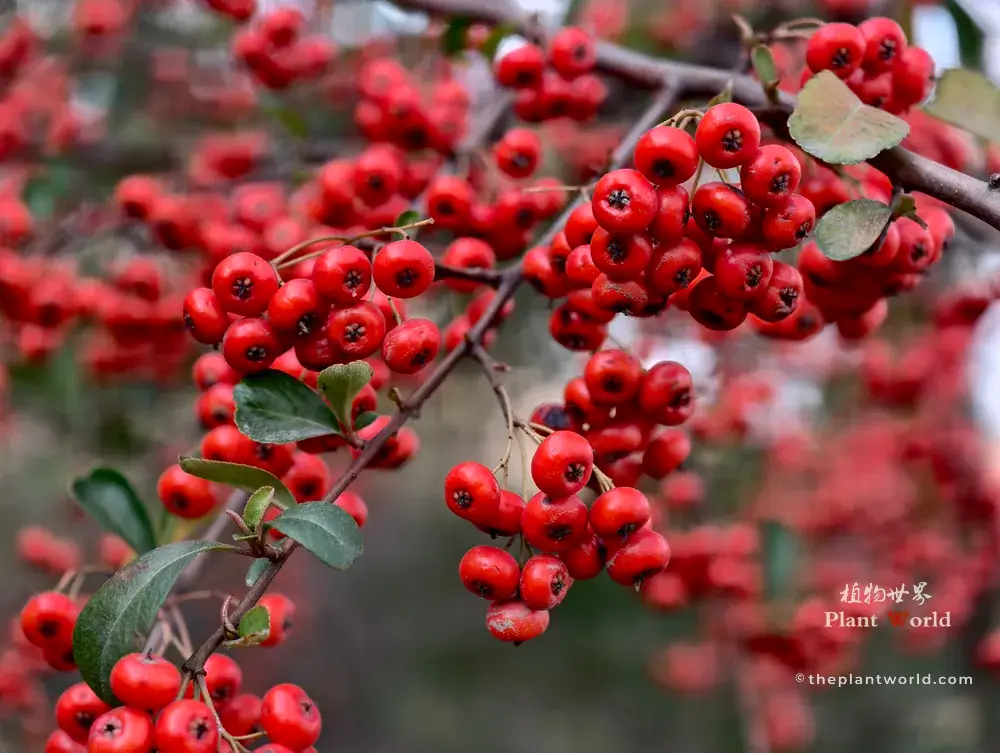
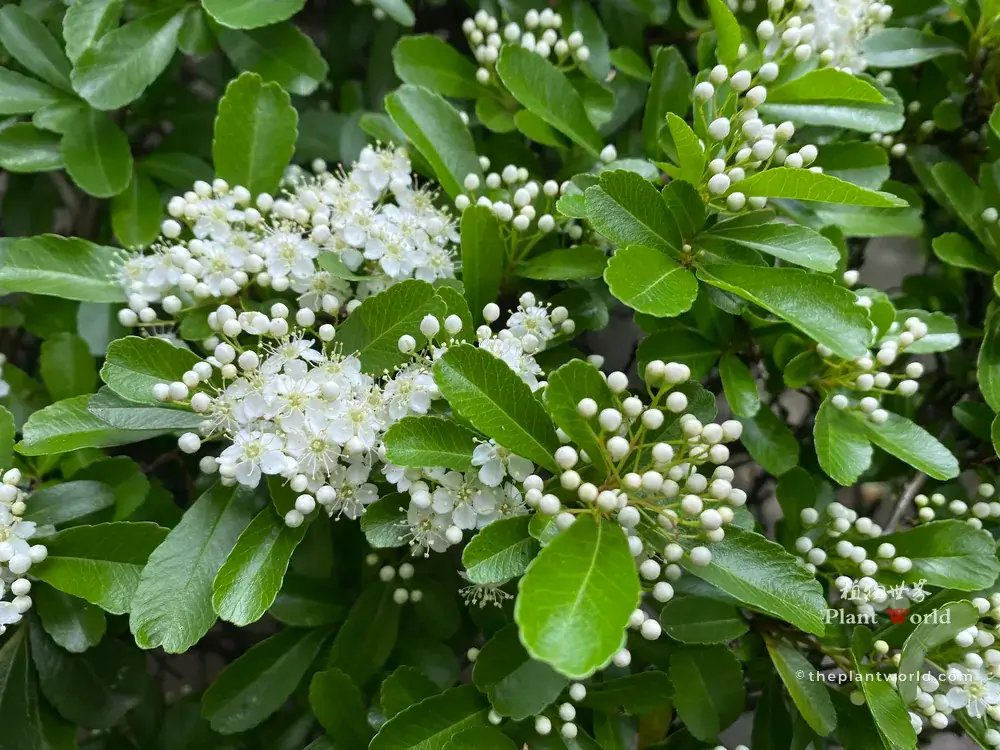
Chinese Firethorn (Pyracantha fortuneana) is a tough, evergreen flowering shrub native to China, widely admired for its year-round garden appeal. Also simply referred to as firethorn, this hardy landscape plant features dense glossy green foliage, clusters of tiny white spring blossoms, and abundant bright orange-red berries that persist from fall through winter.
Valued for privacy hedging, erosion control, wildlife support, and decorative screening, Chinese firethorn is extremely low-maintenance, drought-tolerant, and adaptable to most home garden conditions. This complete growing guide covers everything you need to know to plant, maintain, and maximize flowering and fruiting on Pyracantha fortuneana.
- Plant Overview & Key Features
- Best Planting Conditions
- Step-by-Step Planting Instructions
- Watering Schedule
- Fertilizing for More Flowers & Berries
- Pruning Guide (For Dense Growth & Winter Berries)
- Pest & Disease Management
- Wildlife & Pet Safety Info
- Top Landscaping Uses
- Final Growing Tips
- References
- More from The Plant World:
Plant Overview & Key Features
Pyracantha fortuneana is a fast-growing, thorny evergreen shrub with an upright, bushy habit. Unlike European firethorn species, this Chinese native produces heavier berry loads and adapts exceptionally well to both heat and cold in temperate residential gardens.
- Mature Size: 10–15 ft tall, 6–10 ft wide (easily kept smaller with pruning)
- Hardiness Zones: USDA Zones 6–9
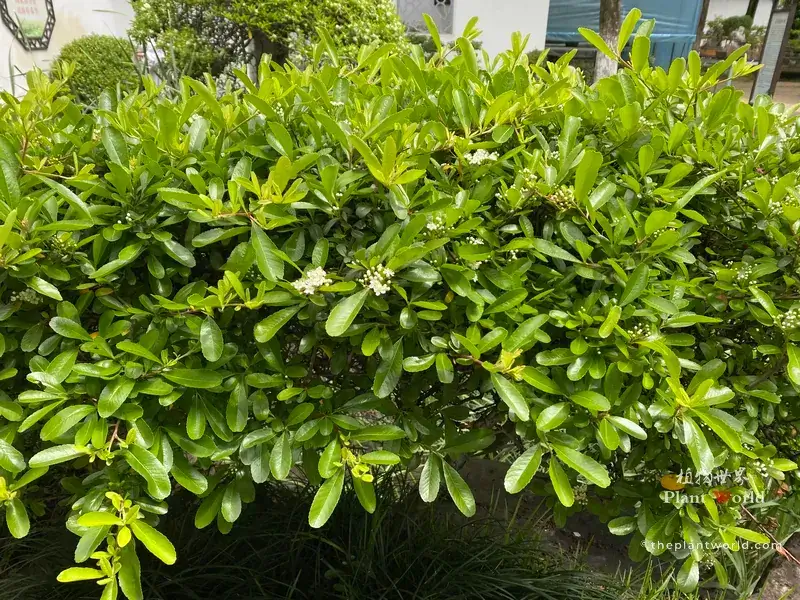
- Foliage: Dark green, glossy evergreen leaves
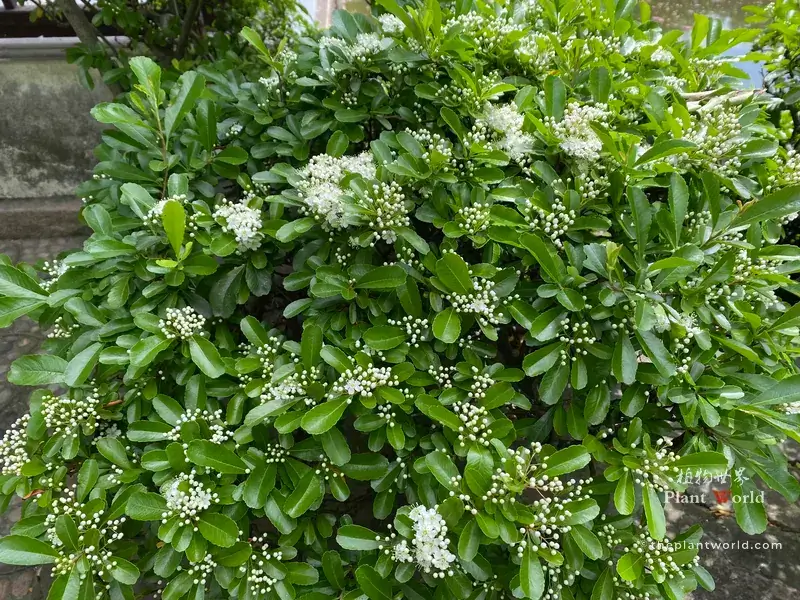
- Flowers: Small clustered white blooms that typically open in late April in China’s Jiangnan region, with a flowering period similar to Chinese wisteria.
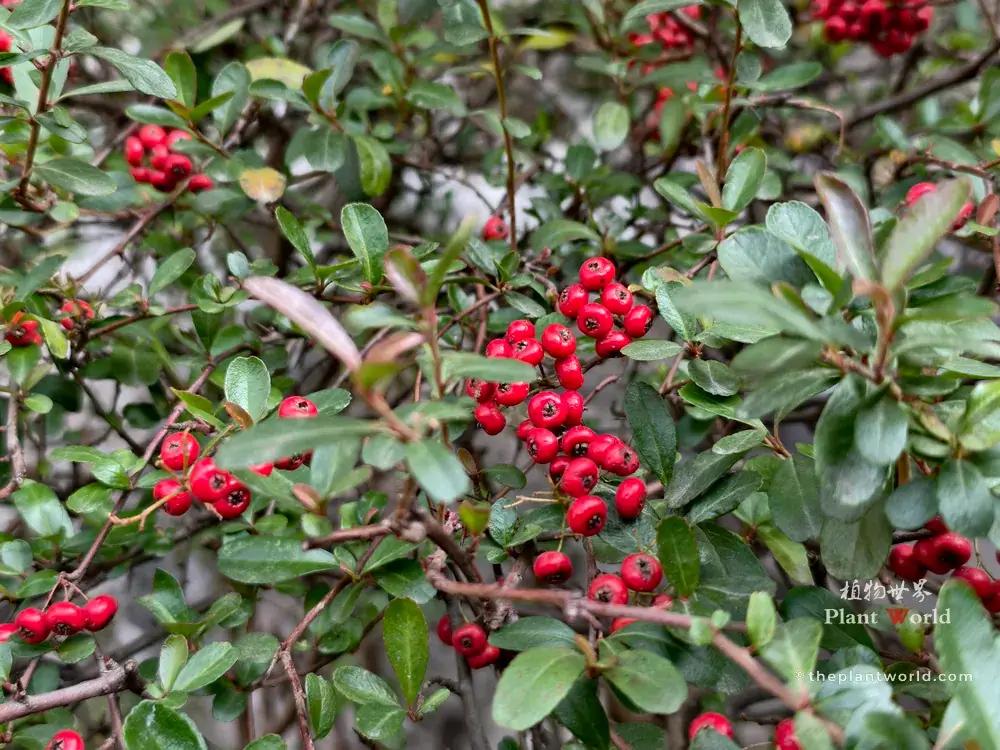
- Fruit: Dense orange-red berries lasting all winter
- Special Traits: Thorny branches for security screening, bird-friendly, deer-resistant, highly drought-tolerant once established
Best Planting Conditions
1. Sunlight Requirements
Chinese firethorn performs best in full sun (at least 6 hours of direct sunlight daily), which guarantees maximum flower clusters and heavy winter berry production. It tolerates partial shade, but shaded plants will grow sparser, produce fewer fruits, and become more susceptible to fungal issues. For the densest foliage and brightest berry color, always plant in an open, sunny location.
2. Soil Needs
Pyracantha fortuneana is highly adaptable to most soil types, including loam, sandy soil, and light clay. The one non-negotiable requirement is excellent drainage. Soggy, waterlogged soil quickly causes root rot and plant decline. It thrives in neutral to slightly acidic soil pH (6.0–7.5). Heavy clay soils should be amended with organic compost or coarse sand to improve drainage before planting.
3. Climate & Placement
This shrub tolerates cold winters, summer heat, and moderate humidity. It works perfectly for perimeter hedges, property borders, slope stabilization, and wall-side training (espalier). Choose a spot with good air circulation to prevent mildew and scab disease, and avoid low-lying pockets where standing water accumulates.
Step-by-Step Planting Instructions
Plant Chinese firethorn in early spring or fall for the fastest root establishment:
- Dig the Hole: Dig a planting hole twice as wide as the root ball and equally as deep. Loosen the surrounding soil to encourage outward root growth.
- Position the Plant: Place the shrub in the center so the root collar sits level with the ground surface.
- Backfill & Water: Backfill with native soil mixed with compost, tamp gently to remove air pockets, and water deeply.
- Mulch: Add a 2-inch layer of organic mulch to retain moisture and suppress weeds, keeping mulch slightly away from the main stems to prevent rot.
- Hedge Spacing: For hedge planting, space shrubs 3–4 feet apart to create a dense, continuous privacy screen.
Watering Schedule
- Newly Planted Shrubs (First 1–2 Years): Young firethorn plants need consistent moisture to build strong root systems. Water deeply 1–2 times per week during dry weather, allowing the soil to dry slightly between waterings. Avoid frequent shallow watering, which weakens root development.
- Established Shrubs: Once fully rooted, Pyracantha fortuneana is highly drought-resistant. It typically survives on natural rainfall in most regions. Provide supplemental water only during extended summer droughts to preserve foliage and berry set.
Fertilizing for More Flowers & Berries
Chinese firethorn needs only light, seasonal feeding to thrive:
- Apply a balanced slow-release shrub fertilizer (10-10-10) in early spring before new growth emerges. This supports vigorous spring foliage and flower development.
- Avoid fertilizing in late summer or fall, as late-season growth will be tender and vulnerable to winter frost damage.
- Note: Over-fertilizing with high-nitrogen fertilizer causes excessive leafy growth at the cost of berries and increases disease risk.
Pruning Guide (For Dense Growth & Winter Berries)
Firethorn blooms and fruits on the previous year’s wood, so correct pruning timing is critical to avoid accidentally removing next season’s berries.
Best Time to Prune
Prune immediately after spring flowering (early summer). Trimming right after blooms fade allows new growth to mature throughout summer and set berry buds for the coming winter. Light shaping can be done as needed, but major trimming must follow the bloom cycle.
How to Prune Step-by-Step
- Sanitize & Clear: Remove all dead, diseased, or crossing branches to improve airflow using clean pruners.
- Trim Outer Shoots: Trim overlong shoots to encourage dense, bushy lateral branching.
- Wall Training: For wall-trained firethorn, tie new flexible stems to supports and trim back outward-growing shoots.
- Safety First: Always wear thick leather gloves and long sleeves to protect against sharp thorns.
- Avoid Winter/Spring Trimming: Heavy winter or early spring pruning removes fruiting wood and drastically reduces your winter berry display.
Pest & Disease Management
Chinese firethorn is generally hardy and disease-resistant, but two common issues may appear in poor airflow or overly wet conditions:
- Pyracantha Scab: Causes black spotting on leaves and berries. Prevent by improving air circulation and avoiding overhead watering. Remove infected branches promptly.
- Powdery Mildew: A white fungal coating on foliage, common in shaded or humid spots. Full sun and proper plant spacing eliminate most outbreaks.
- Aphids & Scale Insects: Minor infestations can be rinsed off with a strong jet of water or treated with horticultural soap / neem oil.
Wildlife & Pet Safety Info
- Pet Safety Warning: Chinese firethorn berries contain mild cyanogenic glycoside compounds that can cause mild stomach upset, vomiting, or diarrhea if ingested by dogs or cats in large quantities. Keep a close eye on pets and discourage them from eating the berries.
- Bird-Friendly Garden Value: While unsafe for pets, these persistent winter berries are a critical, high-energy food source for songbirds (like robins and waxwings) during cold months, making firethorn an outstanding plant for wildlife gardens.
Top Landscaping Uses
- Security Hedge: Sharp, thorny branches create an impenetrable natural barrier along property lines.
- Wall & Fence Training: Easily trained into flat espalier forms against brick walls or fences.
- Erosion Control: Strong, extensive root systems stabilize slopes and banks.
- Winter Interest: Vibrant orange-red berries brighten dormant winter landscapes when most other plants are bare.

Final Growing Tips
Pyracantha fortuneana, the Chinese firethorn, is an extremely adaptable native Chinese shrub and one of the beloved Chinese garden plants. It brings year‑round visual interest for home gardeners. Give it full sunlight, well‑drained soil, and prune right after flowering, and this hardy firethorn will thrive in your garden for many years.
References
- Flora of China – Botanical description and native‑range distribution for Pyracantha fortuneana.
- USDA PLANTS Database – Hardiness zone and species profile data.
- National Capital Poison Center – Toxicity notes for firethorn berries.
- University of Georgia Extension – Landscape poisonous‑plant guidance for home gardeners.
More from The Plant World:
- Chinese Wingnut: The Romantic “Ingot Tree” and Its Cultural Charm
- Plum Blossom Meaning: Symbolism & Cultural Significance
- The Hidden Meanings Behind Red Plum Blossoms
- Chinese Wisteria: History, Symbolism, and Identification
- Peach Blossoms in China: History, Culture, and Symbolism
- Chinese Crepe Myrtle: Guide to Origins & Symbolism
- Ginkgo Leaf Meaning: 5 Secrets of This Ancient Fossil
- Chinese Loquat Tree: Guide to Benefits & History
- Rose of Sharon Tree: Guide to Meaning & Care
- Hosta Plant Benefits: 5 Surprising Uses & Planting Guide
- Strawberry Begonia Care: How to Grow Saxifraga Stolonifera
Discover more from The Plant World
Subscribe to get the latest posts sent to your email.