
Introduction
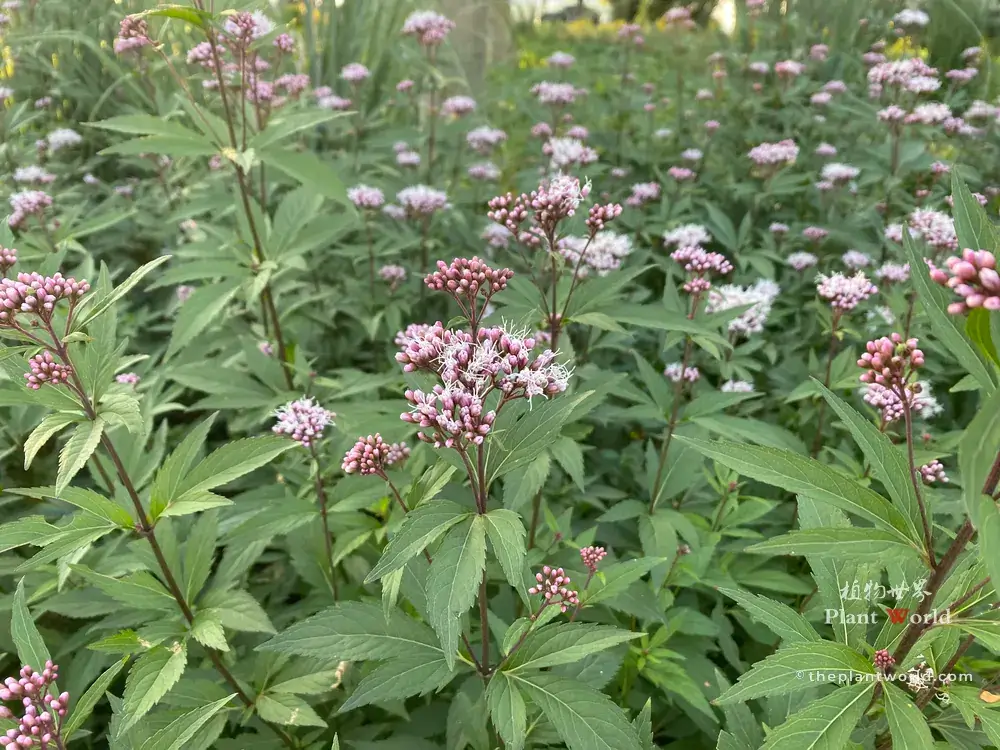
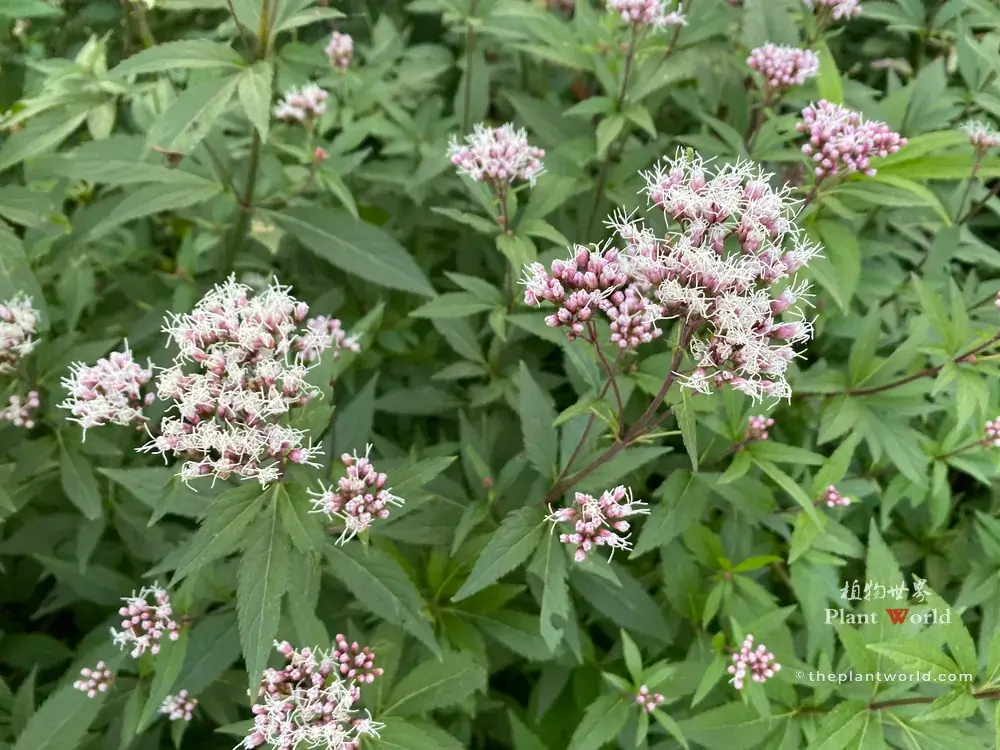
In November across the Jiangnan region, peilan is in full bloom in city parks. With its distinct purple‑stems, lush green leaves, and delicate thread‑like white blossoms, it releases a soft, elegant fragrance that attracts butterflies. Today, much interest in the benefits of Eupatorium fortunei stems from its place in Traditional Chinese Medicine, yet few realize that this unassuming autumn wildflower is the very “autumn orchid” that Qu Yuan wove into his sash in Li Sao more than two thousand years ago. Back then, Chinese scholars tucked its sprigs into their robes, using its aroma as a timeless metaphor for noble character.
Peilan (Eupatorium fortunei) is a perennial herb in the daisy family (Asteraceae), tribe Eupatorieae. It is not an orchid—yet before the Tang Dynasty, it was the plant that Chinese people meant when they said “lan” (orchid). Known as one of the most ancient fragrant herbs in China, it could be worn as a sachet, used in ritual bathing, tied into a fragrant cord, and even used to scent the water of Buddha‑bathing ceremonies. The sachets and pillows found in the Mawangdui Han Tomb held peilan—proof that this purple‑stemmed autumn flower was beloved by the Han nobility two millennia ago.
Name Origin: From “Orchid Grass” to “Wearing Orchid”
The name peilan has undergone a long evolution. In ancient times, it was simply called “lan” or “lancao” (orchid grass). Shennong Bencao Jing (Shennong’s Classic of Materia Medica) listed it among the top‑grade herbs. Because its leaves resembled those of the horse orchid (Kalimeris indica) and its fragrance was orchid‑like, it became known as “xiangcao” (fragrant herb).
Its many aliases each point to a chapter in history:
- Duliangxiang (Duliang Fragrance): According to Li Daoyuan’s Shui Jing Zhu (Commentary on the Water Classic), in Duliang County (present‑day Wugang, Hunan), shallow waters were thick with peilan plants—”purple stems and green leaves, fragrant breezes stirring the streams, the orchid’s scent drifted far.” The fragrance drifted through the valley on mountain winds, and the herb took its name from the county: Duliangxiang.
- Shuixiang (Water Fragrance): Because it grows in damp waterside habitats.
- Shengcaotou / Xingtoucao (Head‑Refreshing Herb): When placed inside a pillow, peilan’s fragrance clears the senses and relieves headaches and nasal congestion, earning it the names “shengcaotou” and “xingtoucao.”
- Hair’erju / Qianjincao (Child’s Chrysanthemum / Thousand‑Gold Herb): Recorded in Xu Gu Jin Kao from the Song Dynasty.
- Jian: The Book of Songs refers to this orchid grass as “jian.”
As for the name “peilan” itself—literally “wearing orchid”—it first appeared in the Qing Dynasty text Bencao Zai Xin (Newly Revised Materia Medica): “In summer, worn on the person to ward off foul air; its fragrance is like orchid, hence the name.” People wore it in summer to dispel unpleasant odors, and since its fragrance resembled orchid, it became known as peilan. According to the Flora of China, it is commonly called “peilan” in northern China and Jiangsu, “lancao” in Jiangxi, Hubei, Hunan, and Guizhou, and also “xiangcao” in the north.
Plant Profile
| Item | Details |
|---|---|
| Scientific name | Eupatorium fortunei Turcz. |
| Family | Asteraceae (daisy family) |
| Type | Perennial herb |
| Height | 40–100 cm |
| Stems | Erect, green or reddish-purple (purple stem), with sparse short hairs |
| Leaves | Opposite, ovate to lanceolate, coarsely toothed, fragrant when crushed |
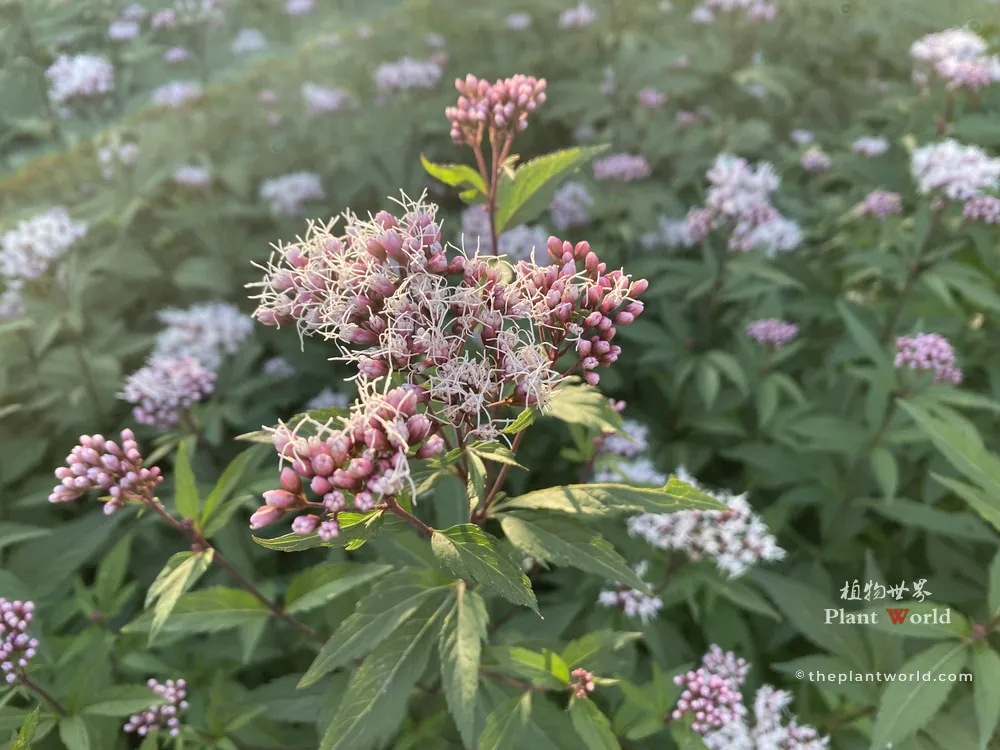
| Flower buds | Reddish-purple, densely clustered in corymbose heads |
| Flowers | White or faintly pink, thread-like tubular florets |
| Bloom season | July–November, peak in autumn |
| Fragrance | Whole plant contains essential oil; crushed leaves release a clean scent |
| Distribution | Shandong, Jiangsu, Zhejiang, Jiangxi, Hubei, Hunan, Yunnan, Sichuan, Guizhou, Guangxi, Guangdong, Shaanxi; also found in Japan and Korea |
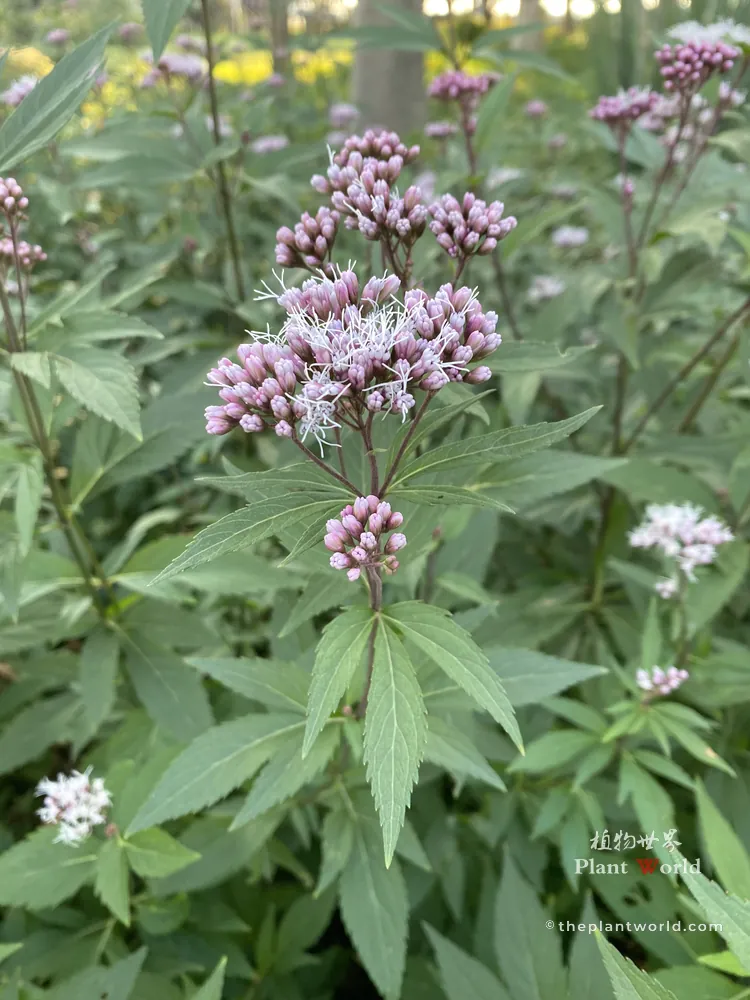
Peilan has purple stems and green leaves, with reddish‑purple buds clustered like grains of millet at the branch tips. The opened flowers are fine and white, elegant and graceful. The whole plant contains 1.5%–2.0% essential oil, primarily composed of p‑cymene, neryl acetate, and thymol methyl ether—producing a fragrance that is refined, restrained, and long‑lasting.
History and Literature: From Li Sao to Mawangdui
Qu Yuan and “Threading Autumn Orchid for a Sash”
Peilan’s place in Chinese culture begins with Qu Yuan. In Li Sao (The Lament), he writes: “I wear jiangli and bizhi upon my shoulders, and thread autumn orchid into a sash.” Here, “autumn orchid” has been identified by scholars as peilan—the autumn‑blooming herb, not the later orchid we know today.
Qu Yuan used the wearing of fragrant herbs as a metaphor for self‑cultivation: wearing fragrant herbs meant gathering what was good and restraining oneself, preserving purity and virtue. Studies from the Sichuan Provincial Administration of Traditional Chinese Medicine note that Qu Yuan wore peilan for its “aromatic transformation of turbidity”—symbolizing the ability to purify oneself from pollution and maintain inner fragrance. Its effect of “awakening the spleen and opening the stomach” also symbolized his longing to awaken a deluded ruler and a muddled age.
In Chu Ci: Shao Siming (The Nine Songs: The Young Goddess of Destiny), peilan is described directly: “Autumn orchid and mi‑wu grow together below the hall. Green leaves and white branches, their fragrance drifts toward me… Autumn orchid so lush, green leaves and purple stem. The hall is filled with beauties, yet she alone meets my eyes.” The “green leaves and purple stem” is the most characteristic description of peilan.
The Yuefu Ballad of the Han Dynasty
In the late Eastern Han Dynasty, an anonymous Yuefu ballad states: “Orchid grass has a natural fragrance, growing by the great road. With sickles in the eighth and ninth months, it is bundled into firewood.” The orchid grass is born fragrant, yet it grows by the roadside; by autumn, harvesters cut it and bundle it with firewood. This poem speaks both of the plant’s fate and the scholar born unrecognized in humble places.
Peilan in the Mawangdui Han Tomb
In 1972, excavations at the No. 1 Han Tomb at Mawangdui in Changsha yielded remarkable finds—including peilan, preserved inside sachets, a scented pillow, and bamboo storage chests more than two thousand years later. The ink inscriptions on the bamboo chests read “peilan, one chest.” The embroidered scented pillow excavated from the tomb was stuffed with peilan.
These archaeological finds confirm that as early as the early Western Han Dynasty, peilan was already a fragrant herb used by the nobility—worn on the body, slept upon, and burned as incense. This tradition traces directly back to Qu Yuan’s “threading autumn orchid for a sash”: the custom of using fragrant herbs in the Chu region continued from the Warring States period through the Han Dynasty.
Fang Hui’s “Autumn Ancient Orchid” Poems
Fang Hui (1227–1307), a poet of the late Song and early Yuan dynasties, wrote ten poems titled Autumn Ancient Orchid. The first reads:
Green leaves at the tips, purple buds clustered like millet— This is the ancient autumn orchid of the Li Sao Classic. People today mistakenly call it “child’s chrysanthemum,” Only the old poet examines it closely and knows.
The green leaves at the branch tips with purple buds clustered like millet—this is precisely peilan blooming in autumn. Fang Hui saw through the confusion: people of his day mistook peilan for “child’s chrysanthemum,” but he recognized it as the true autumn orchid of Li Sao. This poem is both a tribute to peilan and a lament for how the ancient fragrant herb had been forgotten and misidentified.
Peilan and the Orchid: A Thousand‑Year Misunderstanding
Although peilan’s name contains the character “lan” (orchid), it belongs to the daisy family, not the orchid family. It is entirely different from the orchids (Cymbidium) associated with the “Four Gentlemen” of Chinese flowers. This is one of the most famous botanical mix‑ups in Chinese cultural history.
Before the Tang Dynasty, “lan” in Chinese texts referred primarily to peilan (Eupatorium fortunei); after the Tang Dynasty, orchids (Cymbidium spp.) rose in cultural prominence and gradually took over the meaning of “lan.”
Zhu Xi (1130–1200), the great Song Neo‑Confucian scholar, already noticed this confusion in his Li Sao Bian Zheng (Critical Discernment of Li Sao): “The ancient fragrant herbs must have fragrance in both leaves and flowers, and their scent does not change with dryness or moisture—only then can they be cut and worn. The modern orchids and hui have fragrant flowers but scentless leaves; they are tender and wilt quickly, and cannot be cut and worn. It is clear they are not what the ancients meant.”
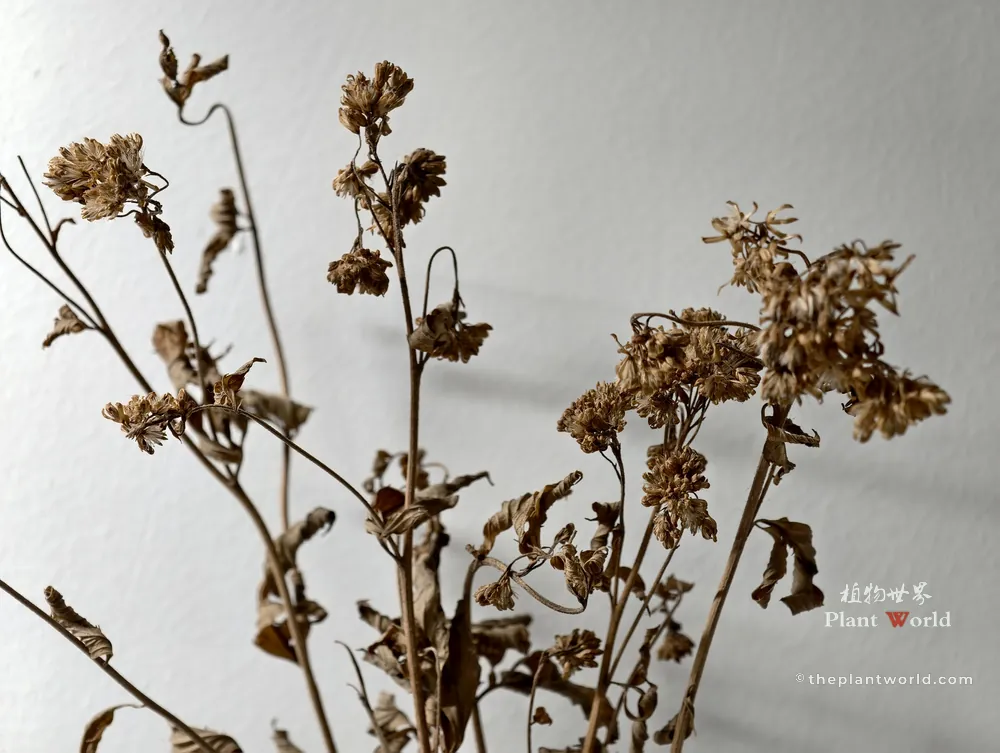
This analysis is precise: orchids are ornamental plants—their leaves have no fragrance, and they wilt quickly after cutting; they are not suitable for “cutting and wearing.” Peilan, however, contains essential oil in all its parts and retains its fragrance when dried—exactly the kind of herb Qu Yuan wore. fragrance when dried—exactly the kind of herb Qu Yuan wore.
| Feature | Peilan (Ancient “Lan”) | Orchid (Modern “Lan”) |
|---|---|---|
| Family | Asteraceae (daisy) | Orchidaceae |
| Fragrance | Leaves and flowers both fragrant; long-lasting when dried | Only flowers fragrant; leaves scentless |
| Bloom season | Autumn | Mainly spring |
| Uses | Worn, bathed in, threaded, medicinal | Ornamental; symbol of purity and elegance |
| Cultural identity | The “autumn orchid” worn by Qu Yuan | The “orchid” of post-Tang literati |
The Uses of Peilan: Worn, Bathed, Threaded
Bencao Gangmu (Compendium of Materia Medica) summarizes peilan’s uses in four characters: “The orchid can be worn, used in bathing, and threaded.” These four words capture the plant’s many roles in ancient Chinese life.
Sachets
In the Han Dynasty, people crushed peilan and stuffed it into sachets, worn on the person or placed among clothing and books to repel insects and scent the air. The sachets excavated from Mawangdui contained peilan. Wearing a peilan sachet was believed to transform turbidity and help prevent respiratory ailments.
Ritual Bathing
The ancient Chinese had a custom of “bathing in orchid soup.” Da Dai Liji: Xia Xiao Zheng records: “Store orchids for bathing.” In the fifth lunar month (around the Dragon Boat Festival), people gathered orchid grass to use in baths. Boiling peilan for a bath uses its essential oils to inhibit bacteria and fungi, prevent summer skin diseases, and refresh the senses. This custom was especially popular around the Dragon Boat Festival—”Bathing in orchid soup, washing in fragrance, dressed in colorful finery” (Chu Ci: Yun Zhong Jun).
In Buddhist practice, peilan was also used to make scented water for Buddha‑bathing ceremonies. On the eighth day of the fourth lunar month (Buddha’s Birthday), peilan‑infused water was poured over Buddha statues in the ritual known as “yufo” (Bathing the Buddha).
Orchid Oil Candles
Chu Ci: Zhao Hun mentions “orchid‑oil bright candles”—peilan was boiled to extract its fragrant oil, which was then made into candles. When the candles burned, the orchid fragrance was released with the heat. This is likely the origin of the term “incense candle.”
Scented Pillows
Stuffing peilan into a pillow provides aromatic stimulation that opens the senses and refreshes the mind. It is traditionally used for nasal congestion, tension headaches, and cold‑related headaches, and may also repel mosquitoes. This earned peilan the name “head‑refreshing herb.”
Medicinal Uses
Disclaimer: This covers traditional herbal knowledge only and does not constitute medical advice.
In traditional Chinese medicine, peilan is neutral in nature and pungent in taste, entering the spleen and stomach meridians. It transforms dampness, awakens the spleen, and dispels summer‑heat—primarily used for stagnation of dampness in the middle jiao, summer‑damp syndromes, and the early stages of damp‑warm disorders. Modern pharmacological research has found that peilan’s essential oil has expectorant and antiviral properties. It is used clinically for summer‑cold ailments, tension headaches, and infectious fevers. Rubbing fresh peilan leaves to release the juice and applying it to insect bites relieves itching; when combined with huoxiang (Agastache rugosa) in alcohol tincture, it is even more effective.
Conclusion
Peilan’s fragrance is restrained and soft, quiet and enduring. Crush a leaf between your fingers and the refined scent—neither too strong nor too faint—lingers long after your hands leave it. It is like a gentleman who “contains himself without showing it, acts without contending.”
From Qu Yuan’s “threading autumn orchid for a sash” in the Warring States period, to the sachets of Mawangdui, from Fang Hui’s lament of “the ancient autumn orchid of the Li Sao Classic,” to the purple‑stemmed flowers blooming in Jiangnan parks each November—peilan has crossed more than two thousand years, standing in the autumn light with its purple stems and green leaves and quiet, persistent fragrance. It is not an orchid, yet it is the true autumn orchid of Li Sao. It may not enjoy the fame of plum, orchid, bamboo, and chrysanthemum, but it is one of China’s oldest and most practical fragrant herbs.
As Fang Hui wrote: “People today mistakenly call it child’s chrysanthemum; only the old poet examines it closely and knows.” In an age when the name “lan” belongs to the showy orchids, take a walk in a city park in autumn and look for that clump of purple‑stemmed, fine‑white flowers. Crush a leaf, and breathe in the fragrance that Qu Yuan wove onto his sash more than two millennia ago.
Gardening note: Peilan is rarely cultivated in Western gardens, though related Eupatorium species are native to North America.
If you love Chinese plants the way I do and would like a few of them growing in your own garden, I write planting plans: six chosen for your region and your kind of garden — where each one goes, how to plant it, and why that one. Here is what a plan includes →
References
- iPlant (Flora of China Digital Platform). Eupatorium fortunei Turcz.
- Beijing University of Chinese Medicine Museum. Spices from the Mawangdui Han Tomb (Part 1).
- Sichuan Provincial Administration of Traditional Chinese Medicine. Discovering the Beauty of Chinese Herbs in Chu Ci (The Songs of Chu).
- Nanjing University of Chinese Medicine Medicinal Plant Garden. Peilan.
- Changsha Municipal People’s Government. Yellow-Brown Silk Brocade “Longevity Embroidery” Pillow.
More from The Plant World:
- Chinese Wingnut: The Romantic “Ingot Tree” and Its Cultural Charm
- Plum Blossom Meaning: Symbolism & Cultural Significance
- The Hidden Meanings Behind Red Plum Blossoms
- Chinese Wisteria: History, Symbolism, and Identification
- Peach Blossoms in China: History, Culture, and Symbolism
- Chinese Crepe Myrtle: Guide to Origins & Symbolism
- Ginkgo Leaf Meaning: 5 Secrets of This Ancient Fossil
- Chinese Loquat Tree: Guide to Benefits & History
- Rose of Sharon Tree: Guide to Meaning & Care
- Hosta Plant Benefits: 5 Surprising Uses & Planting Guide
- Strawberry Begonia Care: How to Grow Saxifraga Stolonifera
Discover more from The Plant World
Subscribe to get the latest posts sent to your email.