
Chinese Firethorn (Pyracantha fortuneana) is far more than a tough evergreen landscape shrub. Rooted deeply in traditional culture and embraced by modern garden folklore, this berry-bearing plant carries layered symbolic meanings of protection, prosperity, resilience, and hope.
Featuring delicate white spring blooms, lush evergreen foliage, and fiery clusters of orange-red winter berries, it delivers four-season visual interest while bringing positive spiritual and Feng Shui energy to outdoor spaces. In this guide, we break down Chinese firethorn’s core symbolism, cultural folklore, Feng Shui significance, and professional garden design ideas to help you style it beautifully in your landscape.
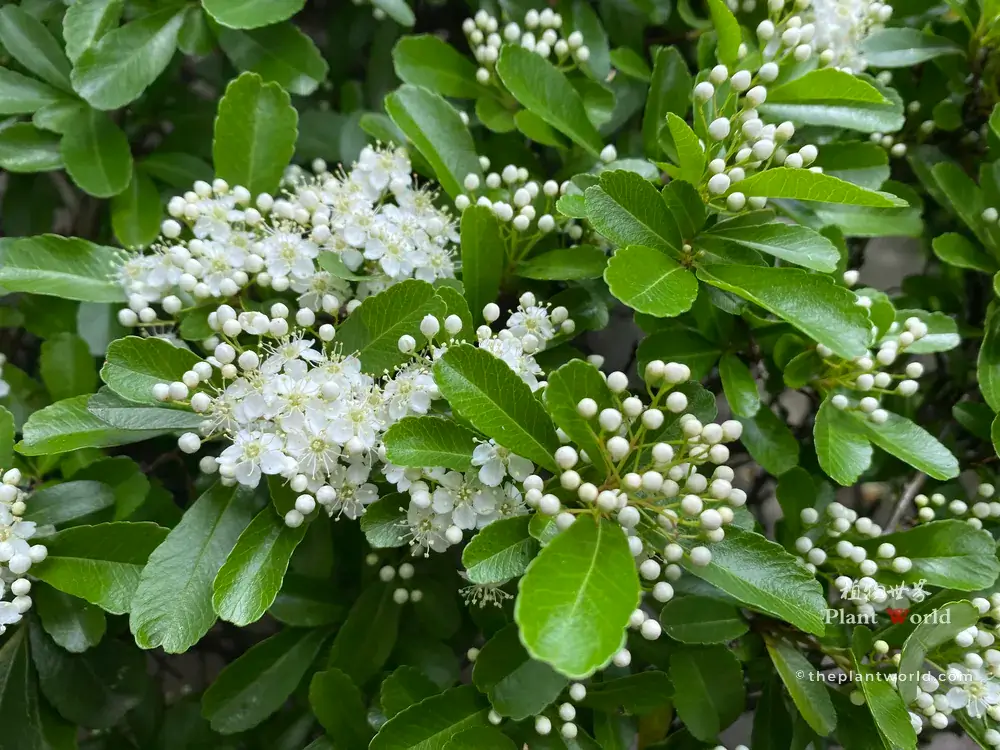
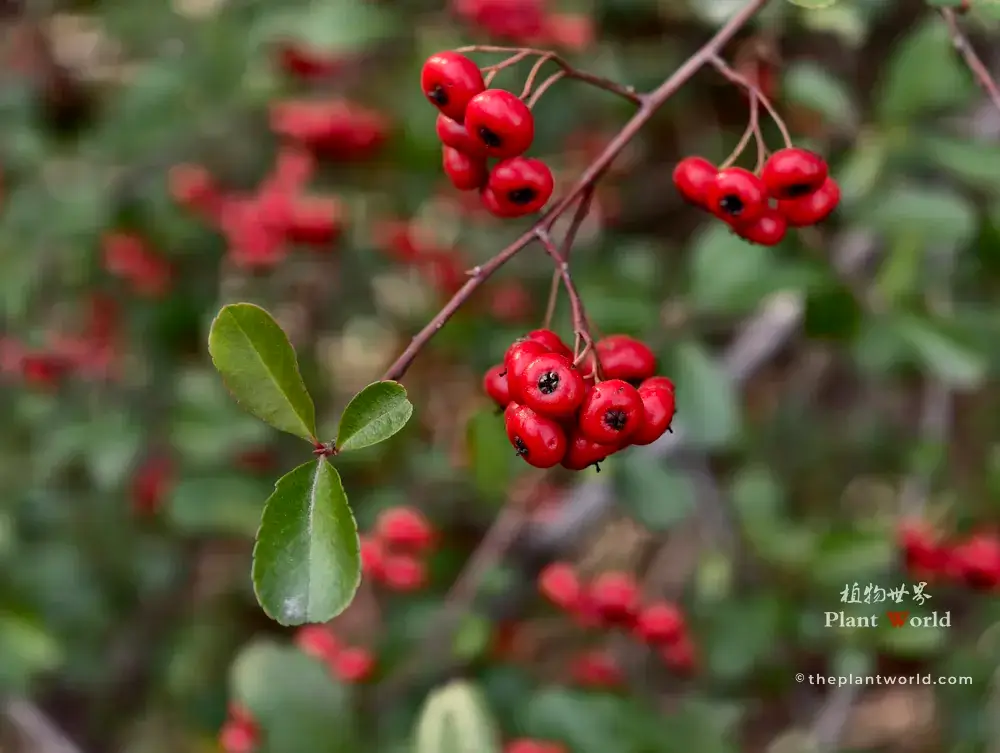
Core Symbolic Meanings of Chinese Firethorn
Every physical feature of Pyracantha fortuneana corresponds to a unique symbolic trait, blending its botanical nature with centuries of cultural interpretation.
1. Protection & Boundary Strength
The shrub’s sharp, dense thorns are its most defining feature. Traditionally planted around home perimeters, Chinese firethorn acts as a natural guardian—physically blocking intruders while spiritually warding off negative energy. In modern plant folklore, firethorn represents emotional boundaries, self-defense, and the courage to protect what is precious. It embodies a balanced beauty: pure spring blooms paired with firm, protective strength.
2. Prosperity, Harvest & Good Fortune
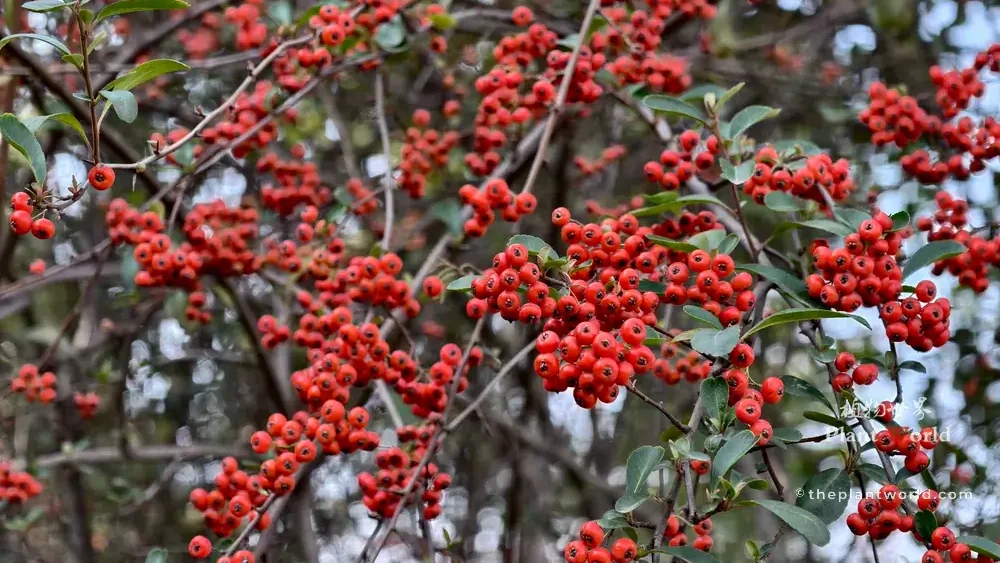
In Asian tradition, the abundant clustered orange-red berries are a powerful auspicious symbol representing a full harvest, thriving wealth, and booming luck. The fiery berry hue resembles glowing flames, giving the shrub its “fire tree” nickname and symbolizing a prosperous, vibrant life. Heavy fruiting is widely associated with career progress, family harmony, and accumulating good fortune.
3. Resilience, Perseverance & Longevity
Chinese firethorn is exceptionally hardy, tolerating poor soil, drought, wind, and cold weather. Its evergreen foliage and persistent winter berries—which remain intact through severe frost—symbolize steadfastness, resilience, and longevity. It stands for enduring vitality and unyielding growth, making it a classic plant for wishing long-term wellness.
4. Hope & Winter Vitality
While most garden plants fade in autumn and winter, firethorn’s bright berries stay vivid against bare, muted landscapes. This striking contrast symbolizes hope, renewal, and inner fire during difficult times, reminding viewers that opportunity persists even in quiet seasons.
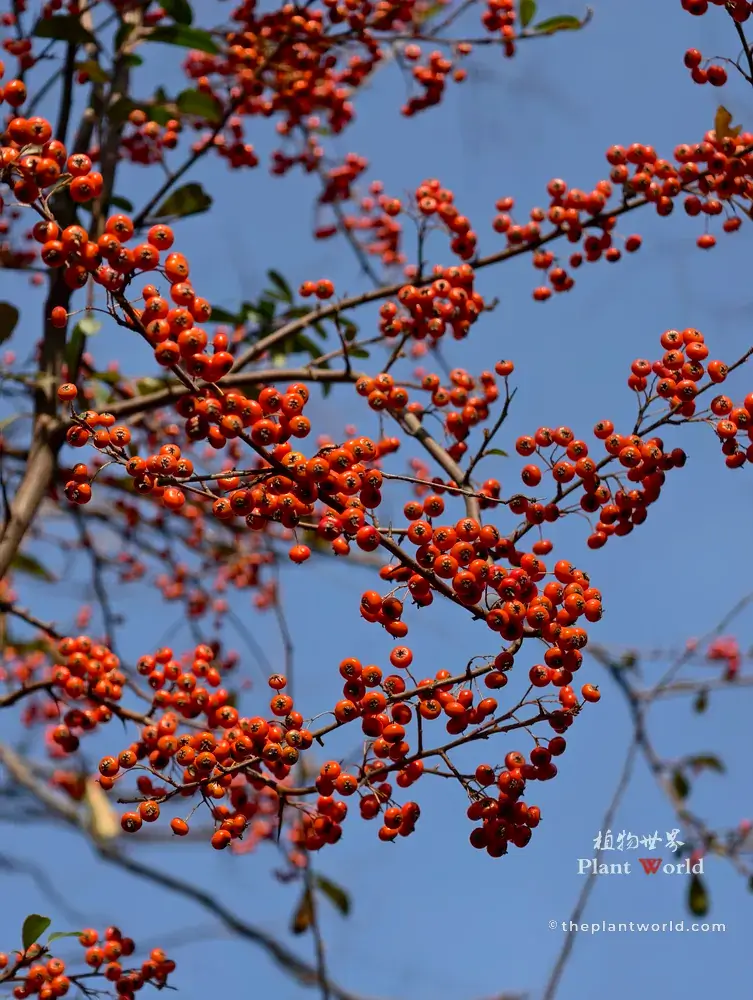
Feng Shui Meaning & Energy Flow
In Feng Shui practice, Pyracantha fortuneana carries grounded Earth energy and vibrant Fire energy, creating balanced, uplifting chi flow in the garden:
- Accumulates Positive Energy: Its dense, upright growth fosters stable, harmonious energy that supports household peace and steady wealth accumulation.
- Blocks Negative Sha Chi: The thorny branches act as a protective shield against harsh external energy, improving home security on both physical and spiritual levels.
- Boosts Seasonal Vitality: Bright winter berries activate dormant garden energy, preventing seasonal stagnation and inviting fresh opportunities.
Feng Shui Placement Tip: Plant firethorn along property boundaries, side yards, or outer hedges. It is best avoided directly in front of main entrance doors to prevent overly aggressive energy at the threshold.
Cultural Folklore: East vs. West
| Cultural Tradition | Historical Significance & Folklore |
|---|---|
| Eastern Tradition (China) | Cultivated for centuries as an auspicious courtyard plant (“吉祥果”). Widely used in bonsai and courtyard layouts to symbolize fruitful achievements, family prosperity, and protective shelter. |
| Western Folklore (Europe & US) | Known as a sacred protective shrub. Frequently incorporated into winter and harvest celebrations (such as Yule), symbolizing endurance, courage, and spiritual home protection. |
Versatile Garden Design & Styling Ideas
Beyond symbolic value, Chinese firethorn is extremely flexible in landscape design, working seamlessly for formal, cottage, modern minimalist, and wildlife gardens.
1. Protective Perimeter Hedge (Most Popular)
Plant a continuous firethorn hedge along property lines, fences, or side-yard borders. The dense, thorny evergreen foliage creates an impenetrable privacy screen. Trim lightly after spring blooms to maintain uniform density and preserve winter berry clusters.
2. Espalier Wall-Trained Feature
Firethorn’s flexible young branches make it ideal for flat espalier training against brick walls, chimneys, or patio fences. A neat horizontal or fan espalier design delivers clean modern lines, displays berries prominently, and maximizes vertical garden space.
3. Focal Accent Specimen Shrub
Plant a single mature firethorn as a standalone focal point in lawn corners or entry-side beds. Its four-season transformation—white spring blossoms, glossy summer foliage, fiery fall berries, and bold winter color—creates dynamic year-round interest.
4. Bonsai & Container Styling
Dwarf firethorn varieties excel as bonsai or potted patio specimens. Compact, berry-heavy firethorn bonsai is a classic symbolic decoration for courtyards and entryways, representing fruitful success and good fortune in a compact footprint.
5. Wildlife-Friendly Winter Sanctuary
Firethorn berries are a critical winter food source for native songbirds (such as robins and waxwings). Planting clustered firethorn shrubs creates a bird-friendly habitat that brings lively seasonal movement to the garden, further amplifying positive natural energy.
6. Slope & Erosion Control Planting
With strong, extensive root systems, Chinese firethorn stabilizes slopes and embankments. On a symbolic level, its ability to anchor soil represents firm footing, stable development, and grounded home energy.
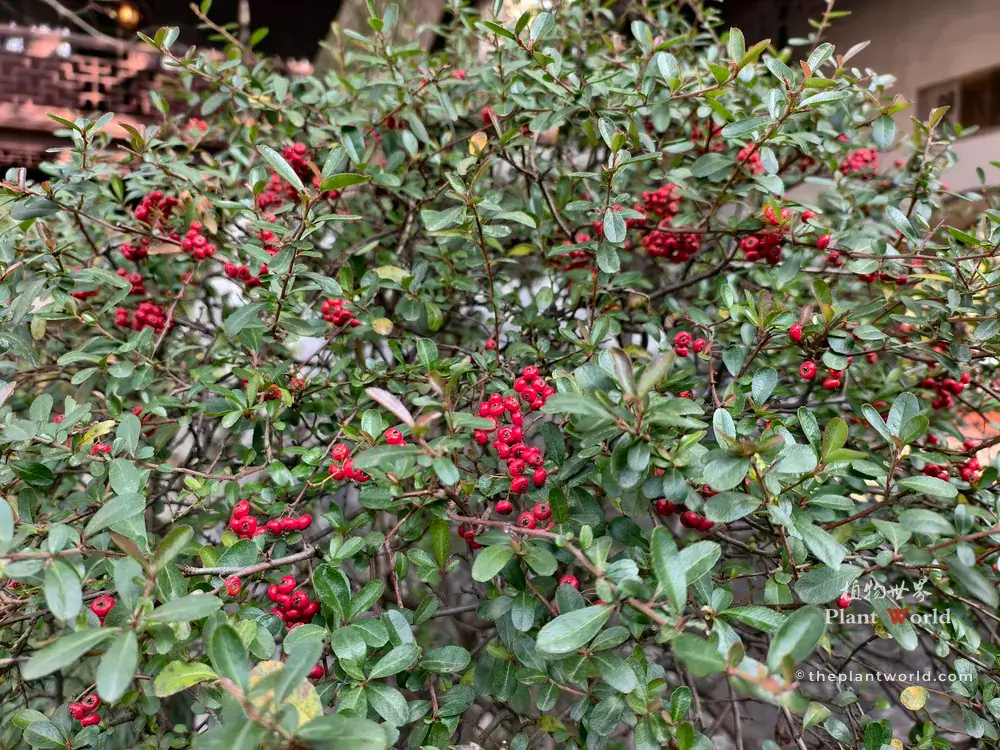
Professional Companion Plant Pairings
- Spring Bloom Contrast: Pair white-blooming firethorn with purple Lilacs (Syringa), Peonies, or Weigela for layered spring color.
- Winter Tone Contrast: Combine fiery red berries with blue-green evergreen conifers and snowdrops for a striking warm-vs-cold winter palette.
- Foliage Layering: Match dark green firethorn with variegated shrubs (like Variegated Weigela) and ornamental grasses to create rich, textured landscape layers.
Key Planting & Styling Rules
- Maximize Sun for Max Fortune: Plant in full sun (6+ hours daily) to maximize berry production, which directly amplifies its color and prosperity symbolism.
- Prune Post-Bloom: Always prune immediately after spring flowering to avoid cutting off the wood that produces winter berries.
- Boundary Placement: Place thorny hedges on outer boundaries for protection; avoid heavy thorny growth directly adjacent to narrow walkways or main front doors.
- Safety First: Wear thick leather gloves during trimming due to sharp thorns, and keep berry-laden branches out of reach of small pets (berries are mildly toxic to dogs in large amounts).
Final Thoughts
Chinese firethorn (Pyracantha fortuneana) offers a rare dual value: it delivers striking four‑season ornamental beauty, while carrying rich cultural folklore and Feng‑Shui symbolism. Balancing protection with prosperity, rugged strength with refined elegance, this Chinese Garden Plant brings timeless charm and uplifting energy to all garden styles.
References
- Royal Horticultural Society. Pyracantha (Firethorn) Growing Guide. RHS Gardening.
- Flora of China Editorial Committee. Pyracantha fortuneana. Flora of China, eFloras.org.
- National Capital Poison Center. Are Pyracantha Berries Poisonous? Poison.org.
- Wang, L., et al. (2022). Pyracantha fortuneana (Maxim.) Li: A comprehensive review of its phytochemistry, pharmacological properties, and product development. Frontiers in Sustainable Food Systems, 6:940900.
More from The Plant World:
- Chinese Wingnut: The Romantic “Ingot Tree” and Its Cultural Charm
- Plum Blossom Meaning: Symbolism & Cultural Significance
- The Hidden Meanings Behind Red Plum Blossoms
- Chinese Wisteria: History, Symbolism, and Identification
- Peach Blossoms in China: History, Culture, and Symbolism
- Chinese Crepe Myrtle: Guide to Origins & Symbolism
- Ginkgo Leaf Meaning: 5 Secrets of This Ancient Fossil
- Chinese Loquat Tree: Guide to Benefits & History
- Rose of Sharon Tree: Guide to Meaning & Care
- Hosta Plant Benefits: 5 Surprising Uses & Planting Guide
- Strawberry Begonia Care: How to Grow Saxifraga Stolonifera
Discover more from The Plant World
Subscribe to get the latest posts sent to your email.