
Introduction
If you are looking for a low-maintenance, long-blooming flower that thrives in poor soil and laughs at summer heat, the China pink (Dianthus chinensis) deserves a spot in your garden. Native to East Asia, this charming member of Chinese Garden Plants — often grown as an annual in colder climates — produces carpets of small, fringed flowers in shades of pink, red, white, and bicolor from late spring well into autumn.
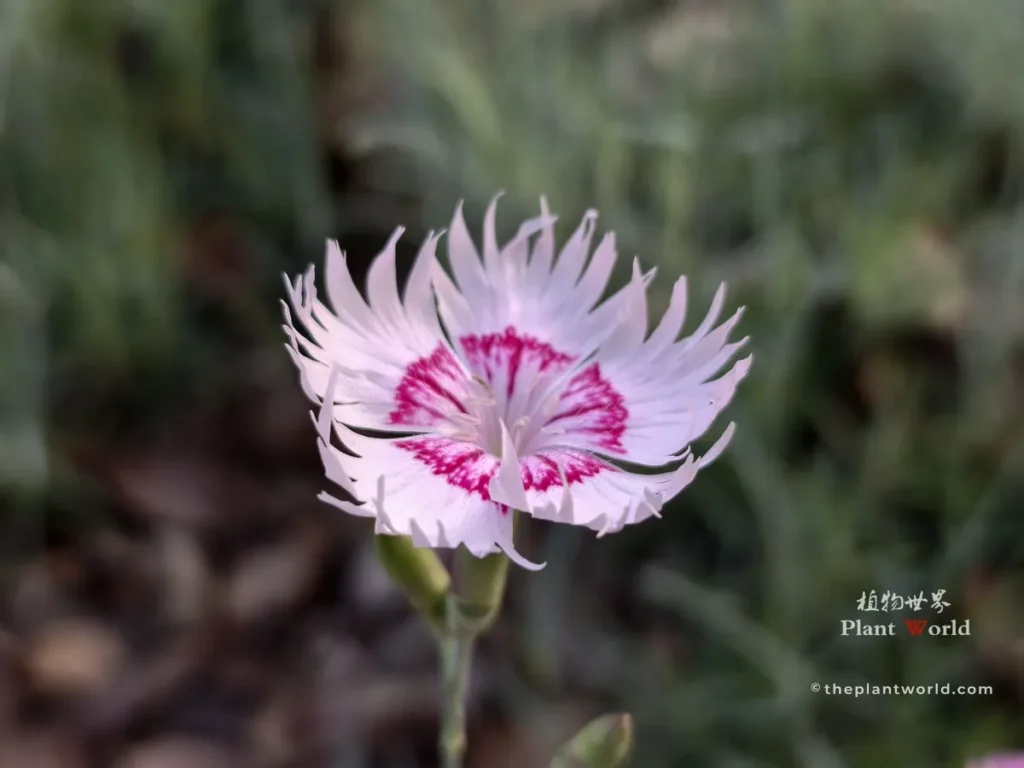
What makes the China pink especially appealing is its forgiving nature. It tolerates drought, poor soil, and rocky conditions — in fact, its Chinese name Shizhu (石竹) means “stone bamboo,” a nod to both its bamboo-like jointed stems and its habit of growing in rock crevices. Whether you plant it in a flower bed, rock garden, container, or as a ground cover, this care guide will walk you through everything you need to know to keep your China pinks healthy and blooming.
Quick Care Summary
| Attribute | Details |
|---|---|
| Botanical name | Dianthus chinensis |
| Common names | China pink, Chinese pink, rainbow pink |
| Plant type | Herbaceous perennial (often grown as annual/biennial) |
| Mature size | 6–12 inches tall, 6–12 inches wide |
| Sun exposure | Full sun to partial shade |
| Soil type | Well-drained, average to fertile; prefers neutral to alkaline pH |
| Soil pH | 6.0–8.0 (tolerates slightly alkaline soil) |
| Bloom time | Late spring through summer; may rebloom in autumn |
| Flower colors | Pink, red, white, crimson, bicolor |
| Hardiness zones | USDA 6–9 (perennial); grown as annual elsewhere |
| Water needs | Moderate; drought-tolerant once established |
| Maintenance | Low |
| Toxicity | Mildly toxic if ingested in large quantities (saponins) |
Light Requirements
China pinks perform best in full sun — at least 6 hours of direct sunlight per day. In full sun, they produce the most abundant blooms and maintain a compact, mounding habit.
They can tolerate partial shade, especially in hot summer climates where afternoon shade helps prevent stress. However, too much shade will cause them to become leggy, produce fewer flowers, and become more susceptible to fungal diseases. If you notice your China pinks stretching toward the light or blooming sparsely, move them to a sunnier location.
Tip: In regions with intense afternoon sun (zones 8–9), a bit of light afternoon shade can actually extend the bloom period and prevent flower scorch.
Soil Requirements
One of the China pink’s greatest strengths is its soil adaptability. It grows well in average, well-drained garden soil and even tolerates poor, rocky, or sandy soil — a trait that makes it perfect for rock gardens and difficult sites. Per guidance from the Royal Horticultural Society, adequate soil aeration and drainage are essential to avoid root rot in Dianthus species.
pH Preference
Unlike many garden plants that prefer slightly acidic soil, China pinks actually prefer neutral to slightly alkaline soil (pH 6.0–8.0). They are a good choice for gardens with alkaline soil where acid-loving plants like azaleas and rhododendrons struggle.
Watering
China pinks have moderate water needs and are quite drought-tolerant once established. During the first few weeks after planting, water regularly to help the roots establish. After that, they generally need watering only during prolonged dry spells.
A good watering rule: water deeply when the top inch of soil feels dry, then allow the soil to dry out somewhat before watering again. This encourages deep root growth and prevents fungal problems.
Avoid:
- Overwatering: Soggy soil is the number one killer of China pinks. Never let them sit in standing water.
- Overhead watering: Water at the base of the plant rather than from above. Wet foliage encourages fungal diseases like powdery mildew and leaf spot.
- Watering in the evening: If you must water overhead, do it in the morning so the foliage has time to dry before nightfall.
Temperature and Hardiness
China pinks are hardy perennials in USDA zones 6–9. In these zones, they will return year after year, often staying semi-evergreen through mild winters.
In zones colder than 6, China pinks are typically grown as annuals — planted in spring after the last frost and enjoyed through the growing season. They can also be grown as biennials: sown in late summer, overwintered in a cold frame or protected location, and planted out the following spring for earlier blooms.
China pinks love cool weather and bloom most profusely in spring and early summer. In hot summer climates (zones 8–9), blooming may slow down during the peak heat of July and August, but the plants often pick up again in early autumn. Shearing the plants back by about one-third in mid-summer can help rejuvenate them and encourage a strong fall bloom.
- Frost tolerance: China pinks can tolerate light frosts. In spring, they can be planted outdoors a couple of weeks before the last expected frost date. In autumn, they will continue blooming until a hard freeze kills the foliage.
Fertilizing
China pinks are light feeders and do not require heavy fertilization. In fact, too much fertilizer — especially nitrogen — can cause the plants to become leggy, produce fewer flowers, and become more susceptible to disease.
A light application of a balanced, slow-release fertilizer (such as 10-10-10) in early spring, just as new growth emerges, is generally sufficient for the entire growing season. Alternatively, you can top-dress with compost in spring, which provides gentle, steady nutrition.
If your soil is very poor, you can apply a diluted liquid fertilizer (half strength) once a month during the bloom period. But err on the side of less rather than more — China pinks bloom best when not overfed.
Pruning and Deadheading
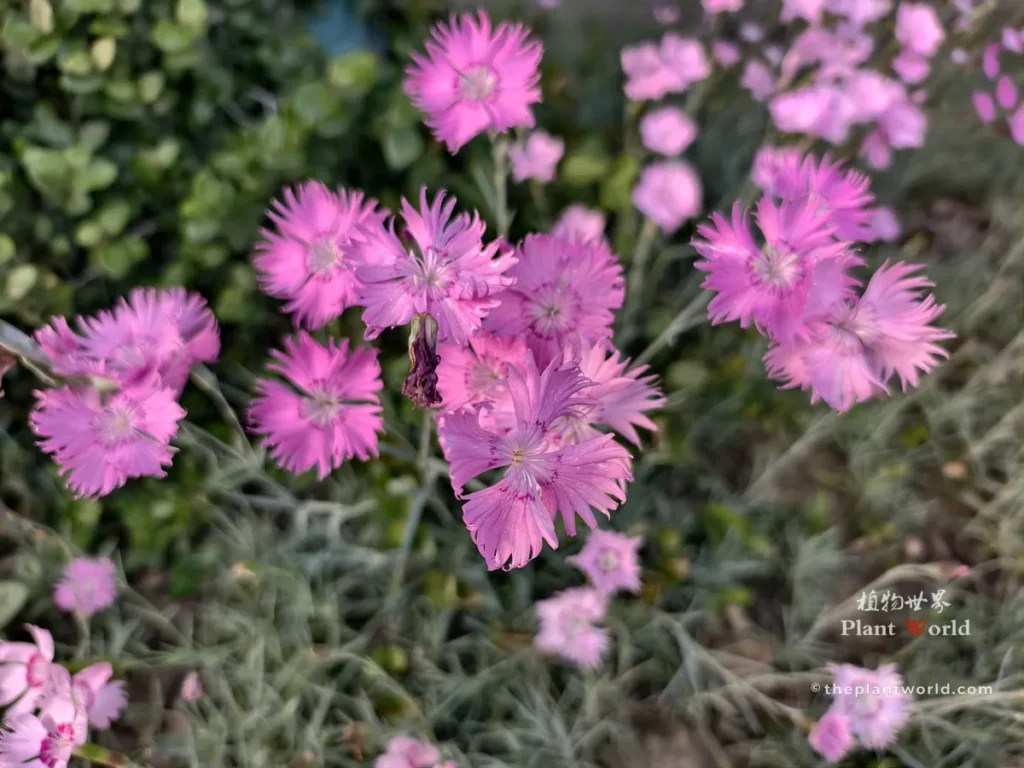
Regular deadheading (removing spent flowers) is the single most important pruning task for China pinks. It encourages the plant to produce more blooms and prevents it from putting energy into seed production. Simply pinch or snip off the faded flowers just above a set of leaves.
In addition to deadheading:
- Shearing in mid-summer: If the plants become leggy or blooming slows during the heat, shear the entire plant back by about one-third to one-half. This stimulates fresh, compact growth and encourages a heavy flush of fall blooms.
- Pinching young plants: When seedlings or young plants reach 3–4 inches tall, pinch back the growing tips to encourage bushier, more compact growth and more flower stems.
- Fall cleanup: In late autumn, after a hard freeze, cut back the dead foliage to about 1–2 inches above the ground. In mild climates, you can leave the foliage in place and trim it back in early spring before new growth begins.
Propagation
China pinks can be propagated by seed, stem cuttings, or division.
From Seed
- Sowing time: Sow indoors 6–8 weeks before the last frost date, or sow directly outdoors in early spring (as soon as the soil can be worked) or in late summer/early autumn for blooms the following year.
- Method: Press the seeds lightly into the soil surface — they need light to germinate, so do not cover them deeply.
- Germination: Keep the soil moist but not soggy. Seeds germinate in 7–14 days at 60–70°F (15–21°C).
- Transplanting: Harden off seedlings and transplant outdoors after the danger of frost has passed, spacing them 6–12 inches apart.
- Note: China pinks readily self-seed in the garden. If you allow some flowers to go to seed, you may find volunteer seedlings the following spring. These can be transplanted or thinned.
From Stem Cuttings
- Timing: Take cuttings in early summer, after the first flush of blooms.
- Method: Cut a 3–4 inch non-flowering stem just below a leaf node. Remove the lower leaves, dip the cut end in rooting hormone (optional), and insert into a pot of moist, well-drained rooting medium (perlite, sand, or a mix of peat and perlite).
- Care: Keep the cuttings in a warm, bright location out of direct sun, and mist regularly to maintain humidity. Roots should form in 2–3 weeks. Once rooted, transplant into individual pots and grow on before planting out.
By Division
- Timing: Divide established clumps in early spring, just as new growth begins, or in early autumn.
- Method: Dig up the entire clump, gently separate it into smaller sections (each with roots and shoots), and replant immediately at the same depth. Water well.
- Frequency: Divide every 2–3 years to maintain plant vigor and prevent overcrowding.
Pests and Diseases
China pinks are relatively pest and disease resistant, especially when grown in well-drained soil with good air circulation. However, a few problems can occur:
Common Pests
- Aphids: Small, soft-bodied insects that cluster on new growth and flower buds, sucking sap and causing distorted growth. Control with a strong spray of water, insecticidal soap, or neem oil.
- Spider mites: Tiny arachnids that cause fine webbing and stippled, yellowed leaves, especially in hot, dry conditions. Increase humidity around the plants and treat with insecticidal soap or neem oil.
- Slugs and snails: May chew holes in foliage. These moisture-loving pests readily spread through mixed garden borders. Per pest management recommendations from the University of California IPM Program, hand-picking at dusk or using iron phosphate baits can safely manage outbreaks.
Common Diseases
- Root rot: The most serious problem, caused by overwatering or poorly drained soil. Prevent by ensuring good drainage and not overwatering. Infected plants will wilt and decline; there is no cure — remove and destroy affected plants.
- Powdery mildew: A white, powdery fungal growth on leaves, favored by high humidity and poor air circulation. Prevent by spacing plants properly, watering at the base, and avoiding overcrowding. Treat with a fungicide if necessary.
- Leaf spot: Brown or black spots on leaves caused by various fungi. Remove and destroy affected leaves, improve air circulation, and avoid overhead watering.
Overwintering
In USDA zones 6–9, China pinks can overwinter outdoors with minimal protection:
- After the first hard frost, cut back dead foliage to 1–2 inches.
- Apply a 2–3 inch layer of mulch (straw, pine needles, or shredded leaves) around the base to protect the roots from freeze-thaw cycles.
- In early spring, remove the mulch as new growth emerges.
In colder zones (below 6), China pinks are usually treated as annuals. If you want to try overwintering them:
- Take cuttings in late summer and grow them indoors over winter in a bright, cool window.
- Or, dig up plants in autumn, pot them up, and keep them in a cool, bright location (such as an unheated sunroom or cold frame) over winter. Keep the soil barely moist.
Common Problems and Solutions
| Problem | Likely Cause | Solution |
|---|---|---|
| Few or no flowers | Too much shade, too much nitrogen fertilizer, or plants are too young | Move to a sunnier spot; reduce fertilizing; be patient — seedlings may not bloom heavily until their second year. |
| Leggy, stretched growth | Too little sun or too much fertilizer | Increase sunlight; reduce feeding; pinch back to encourage bushiness. |
| Yellowing leaves | Overwatering, poor drainage, or nutrient deficiency | Check soil moisture; improve drainage; feed lightly with balanced fertilizer. |
| Wilting plant | Root rot (from soggy soil) or severe drought | Check soil — if wet, reduce watering and improve drainage; if dry, water deeply. |
| Holes in leaves | Slugs, snails, or caterpillars | Hand-pick pests; use slug bait or organic pest control. |
| White powdery coating on leaves | Powdery mildew | Improve air circulation; avoid overhead watering; treat with fungicide. |
Final Tips
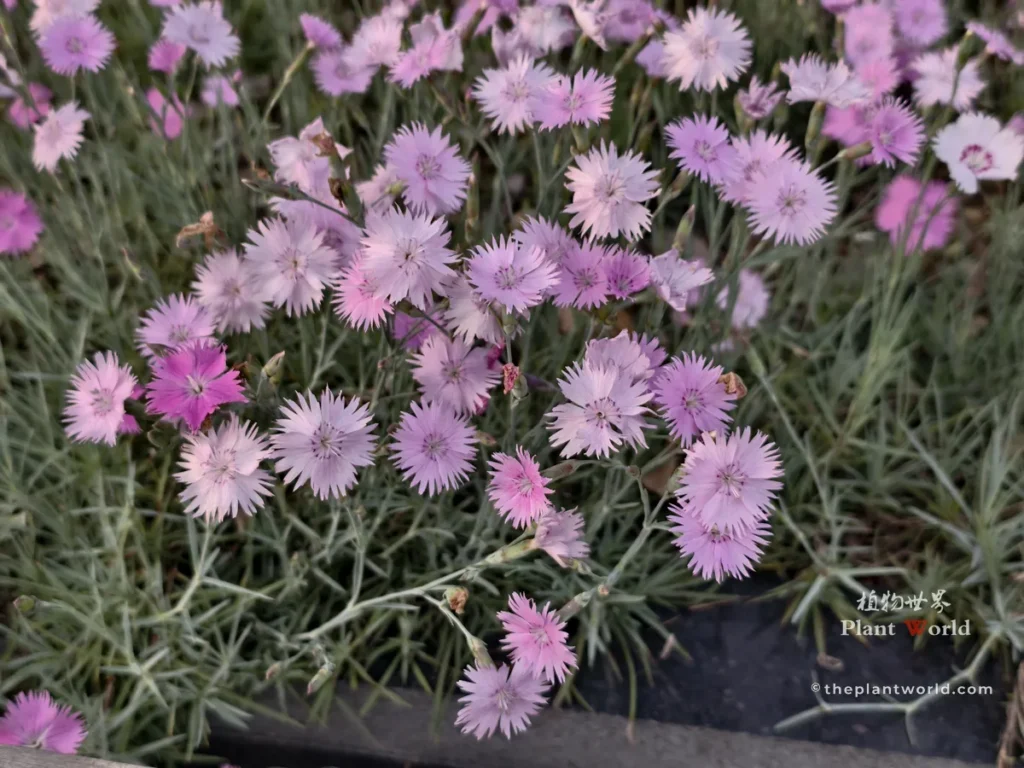
- Plant in groups: China pinks look best when planted in drifts or groups of 5–7 or more, creating a carpet of color. Space plants 6–12 inches apart.
- Combine with companions: Good companions include lavender, salvia, coreopsis, yarrow, sedum, and other sun-loving, drought-tolerant perennials. Avoid planting with aggressive spreaders that may crowd them out.
- Deadhead consistently: The more you deadhead, the more they bloom. Make it a weekly habit during the growing season.
- Don’t overlove them: China pinks thrive on a bit of neglect. Overwatering and overfertilizing are far more harmful than underwatering and underfeeding.
- Let some self-seed: If you want a naturalized look, leave a few spent flowers at the end of the season to self-seed. You will get surprise seedlings the following spring.
With their fringed petals, long bloom period, and easy-care nature, China pinks are a rewarding addition to almost any garden. Give them sun, well-drained soil, and a little room to spread, and they will reward you with months of color — all while asking for very little in return.
More from The Plant World:
- Chinese Wingnut: The Romantic “Ingot Tree” and Its Cultural Charm
- Plum Blossom Meaning: Symbolism & Cultural Significance
- The Hidden Meanings Behind Red Plum Blossoms
- Chinese Wisteria: History, Symbolism, and Identification
- Peach Blossoms in China: History, Culture, and Symbolism
- Chinese Crepe Myrtle: Guide to Origins & Symbolism
- Ginkgo Leaf Meaning: 5 Secrets of This Ancient Fossil
- Chinese Loquat Tree: Guide to Benefits & History
- Rose of Sharon Tree: Guide to Meaning & Care
- Hosta Plant Benefits: 5 Surprising Uses & Planting Guide
- Strawberry Begonia Care: How to Grow Saxifraga Stolonifera
Discover more from The Plant World
Subscribe to get the latest posts sent to your email.