
Introduction
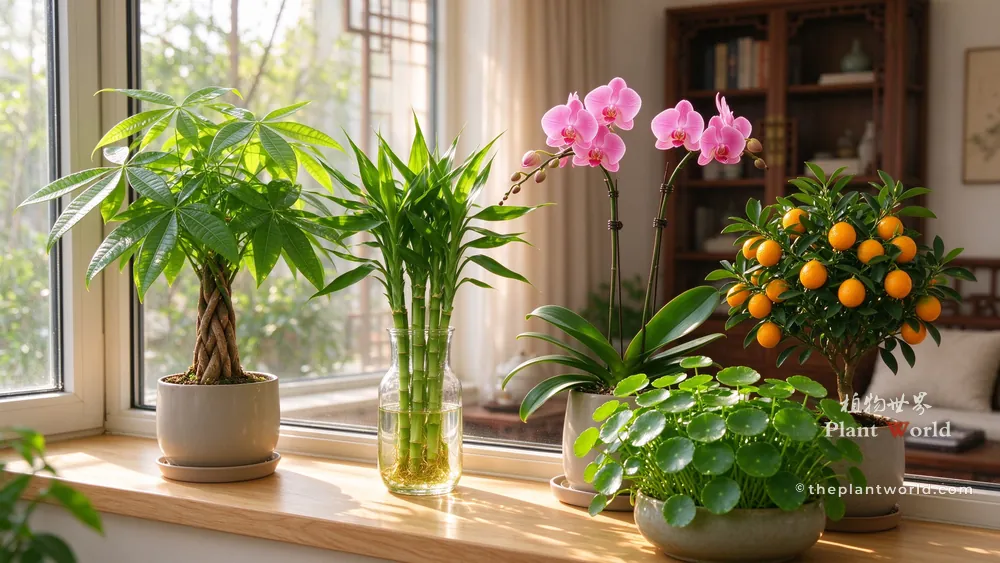
What are some Chinese fortune plants? In China, plants are never just plants. A lush stalk of lucky bamboo, a potted kumquat heavy with golden fruit, an elegant moth orchid, or a round-leafed coin grass—each is believed to carry wishes for wealth, peace, happiness, and rising success. From the money tree in the office corner to the kumquat on the living room table during Spring Festival, from the lucky bamboo by the front door to the cascading moth orchids in a shopping mall lobby, these feng shui plants and lucky plants have become a natural part of daily life in China.
Chinese fortune plants are not superstition. They are an expression of the traditional Chinese belief that humanity and nature should live in harmony. Through a plant’s shape, color, name, and growth habit, people express their hopes for a better life. A thriving green plant already purifies the air and calms the mind, but the cultural meaning attached to it adds a layer of warmth and blessing.
This guide introduces the most common and meaningful Chinese fortune plants, what they symbolize, and where to place them.
Part 1: Wealth-Bringing Plants
These plants are associated with prosperity through their names or the shape of their leaves. They are the most popular wealth plants for homes, offices, and shops.
1. Money Tree (Pachira aquatica)
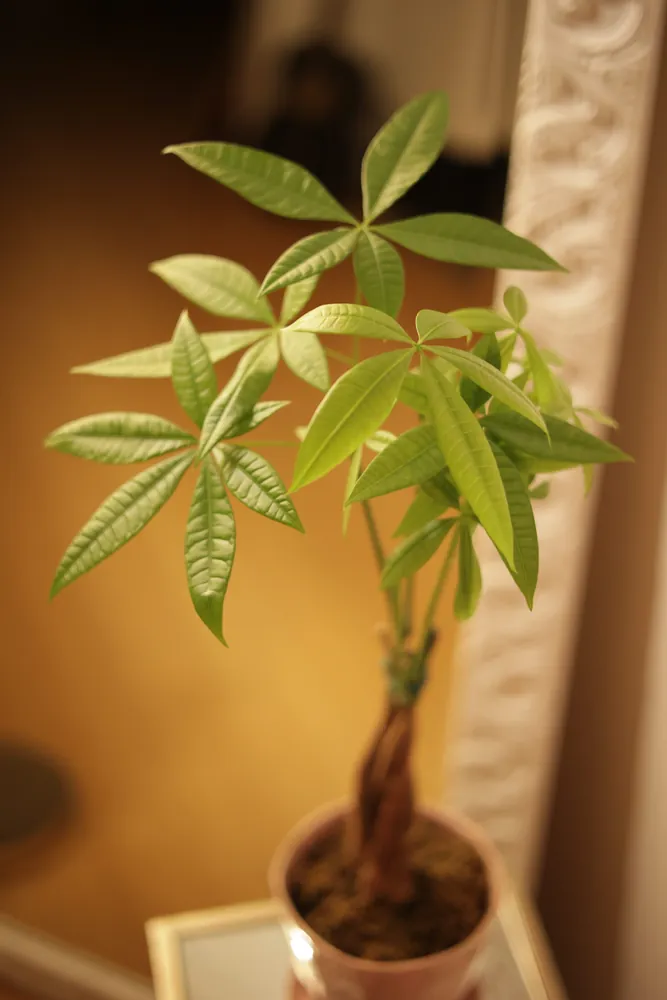
The money tree is a tropical tree from Central America, famous for its braided trunk and umbrella-like canopy of palmate leaves. Each cluster of five leaves is said to represent the five elements (wood, fire, earth, metal, and water), symbolizing balance and prosperity.
Its Chinese name means “getting rich tree,” and it is one of the most popular housewarming or business-opening gifts in China. It is drought-tolerant and shade-tolerant, making it an easy choice for living rooms and offices.
2. Lucky Bamboo (Dracaena sanderiana)
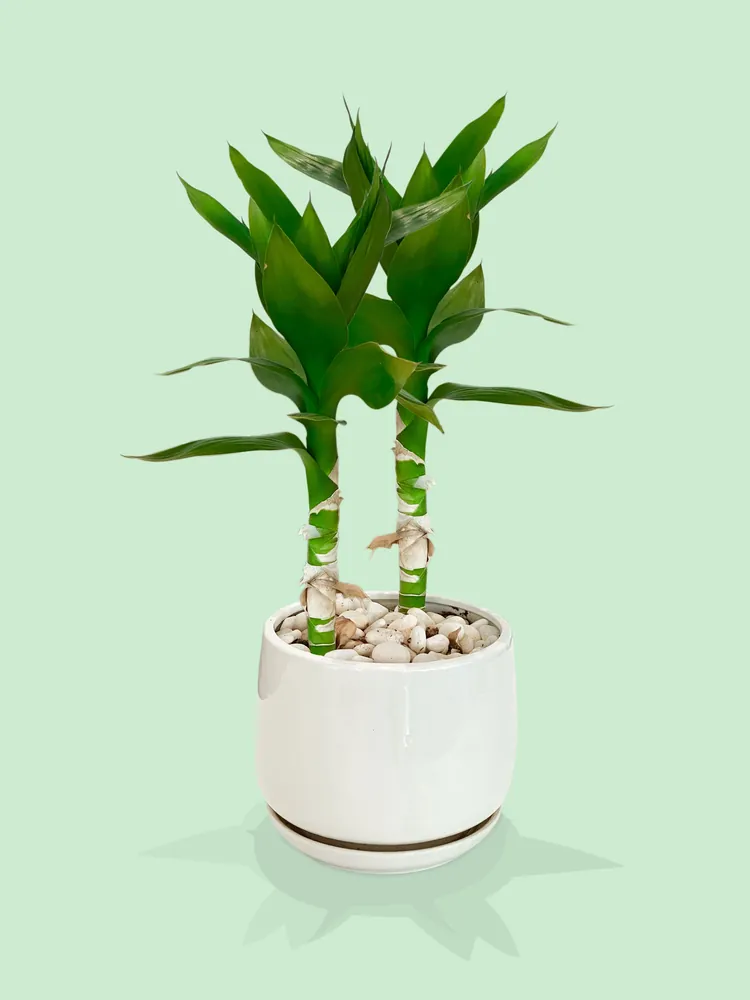
Despite its name, lucky bamboo is not a true bamboo—it is a member of the dracaena family from Africa. Its upright, slender stems and bright green leaves make it one of the most widely recognized fortune plants. It can be grown in water or soil.
The number of stalks carries different meanings:
- 3 stalks: represent the three stars of happiness, prosperity, and longevity
- 5 stalks: represent balance of the five elements
- 8 stalks: in Cantonese, “eight” sounds like “prosper”
- 9 stalks: represent long-lasting good fortune
- 4 stalks: to be avoided—”four” sounds like “death” in Chinese
Lucky bamboo is placed in entryways, living rooms, and studies, symbolizing peace and steady advancement.
3. ZZ Plant (Zamioculcas zamiifolia)
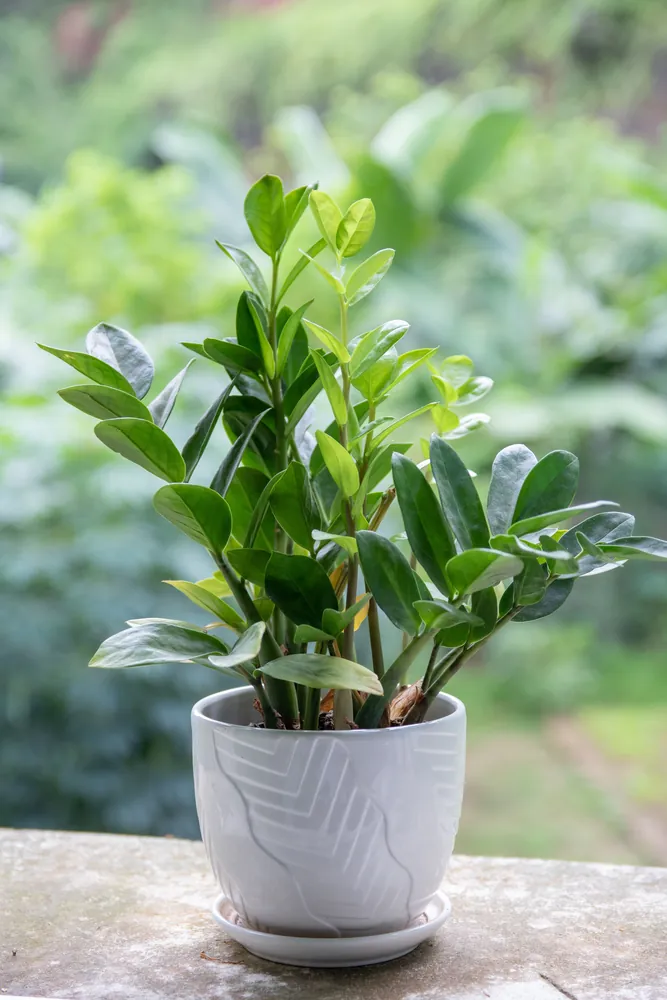
Native to East Africa, the ZZ plant has thick, glossy leaves arranged like strings of coins along its stems. Its Chinese name literally means “money tree,” and the round, shiny leaflets look like little gold coins.
The ZZ plant symbolizes flowing wealth. It is extremely drought-tolerant—one of the most forgiving houseplants—and is often placed in corners or office spaces.
4. Coin Grass (Hydrocotyle vulgaris)
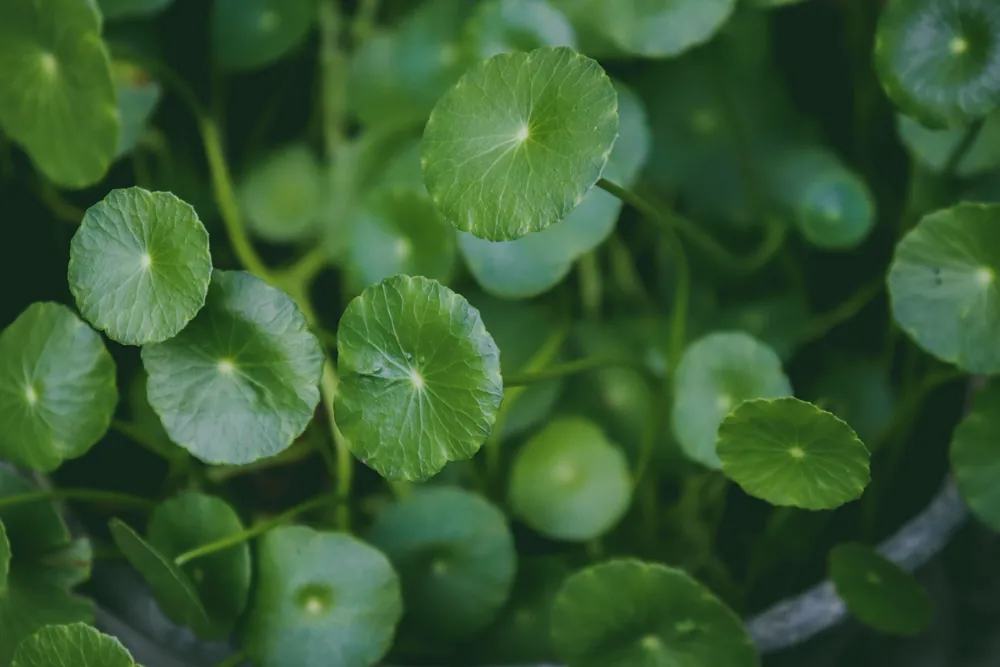
Coin grass, also known as pennywort, is a low-growing aquatic plant with round, coin-shaped leaves on slender stems. It grows rapidly in water or soil, giving the impression that wealth is overflowing.
Its round leaves resemble little coins, symbolizing family unity and flowing prosperity. It is a popular desktop plant for offices and homes, and it is incredibly easy to grow—just add water.
5. String of Buttons (Crassula perforata)
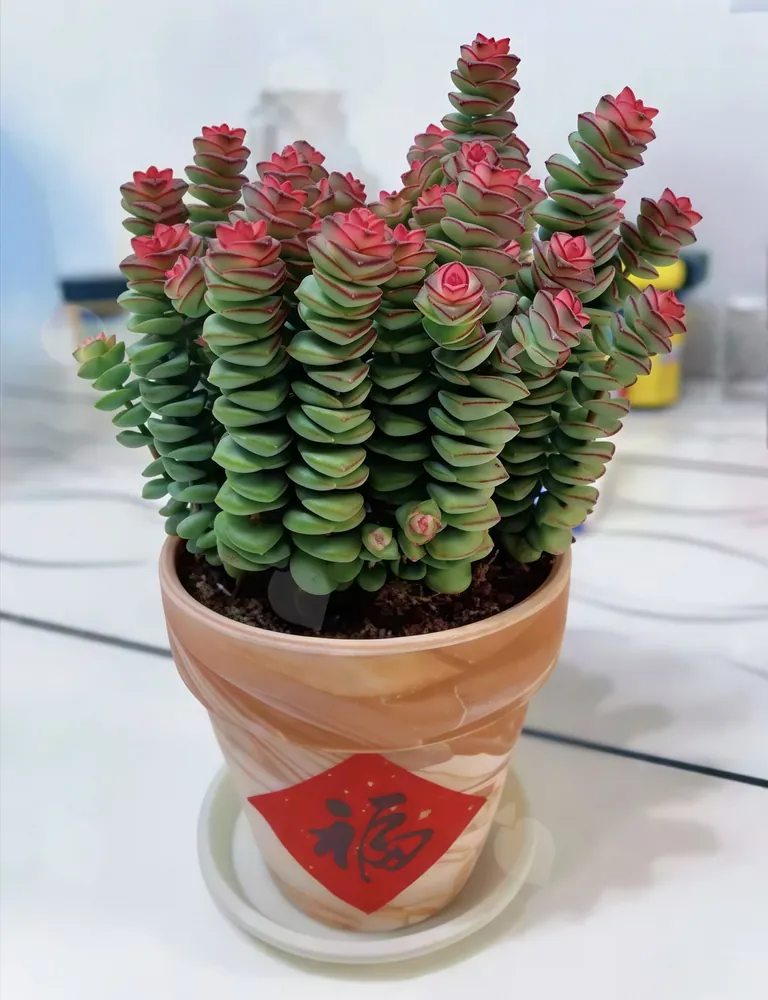
String of buttons is a succulent in the jade family. Its fleshy leaves grow in opposite pairs along an upright stem, stacked like a string of ancient Chinese copper coins. It is one of the most popular succulents associated with wealth.
It symbolizes continuous wealth and steady upward growth. Its compact size makes it perfect for desks, bookshelves, and windowsills. It needs bright light and is drought-tolerant.
6. Kumquat (Fortunella margarita)
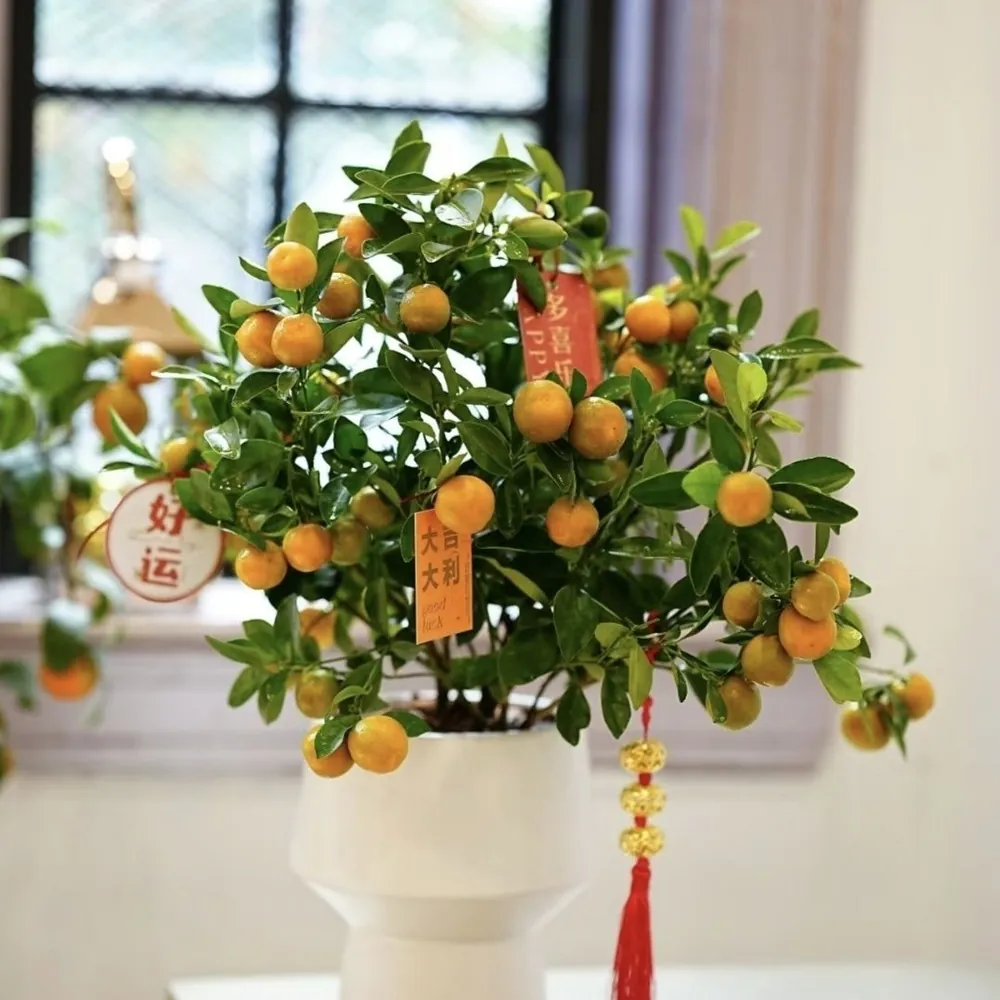
The kumquat is a must-have during Spring Festival. A kumquat tree heavy with small golden fruits is a classic sight in southern Chinese homes. The word for “kumquat” sounds like “good luck” in Chinese, and the golden fruits symbolize wealth and abundance.
In Guangdong, Hong Kong, and Fujian, nearly every family displays a kumquat pot during the Lunar New Year. The fruits are also edible—used in teas and preserves. Kumquats need full sun and are placed in living rooms or on balconies.
Part 2: Auspicious Plants for Good Fortune
Beyond wealth and financial abundance, many Chinese plants are cherished for bringing general good luck, joy, and festive happiness to the household. Records from the Flora of China (iPlant) highlight that traditional species such as the Chinese Sacred Lily (Narcissus tazetta) and Peony have been cultivated for over a thousand years, deeply embedding their symbols of fortune into local culture. Here are the most celebrated auspicious plants:
7. Moth Orchid (Phalaenopsis spp.)
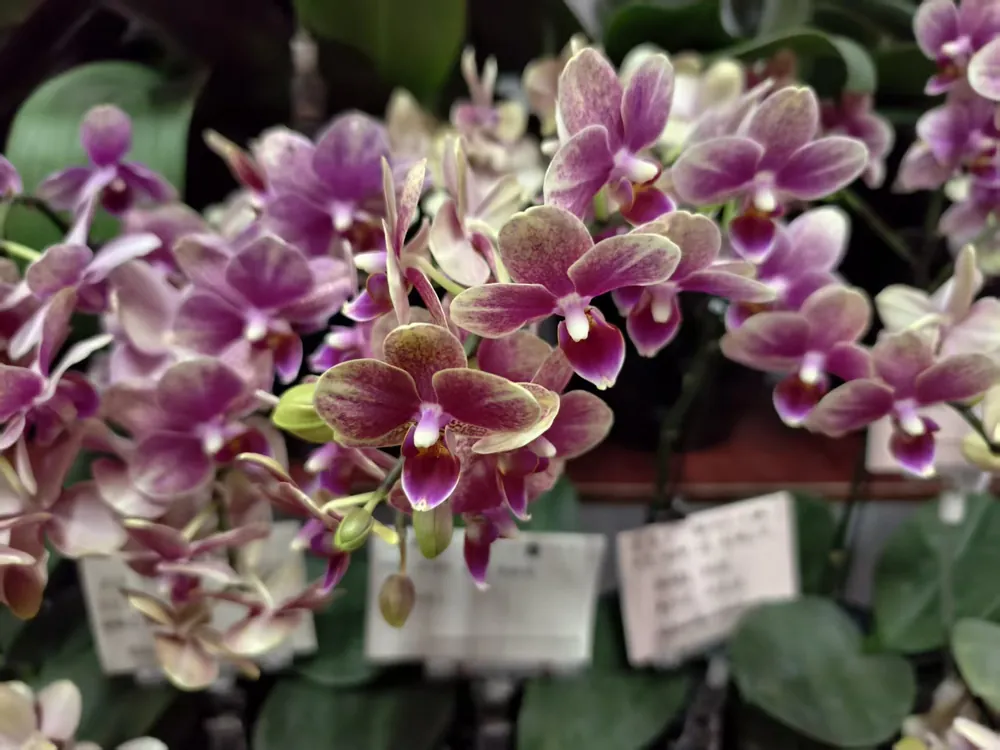
The moth orchid is arguably the most popular festive flower in China today. Its elegant blooms resemble butterflies in flight, and it comes in a wide range of colors—red, pink, white, yellow, and spotted. Large shopping malls, hotel lobbies, and company reception desks almost always display grand arrangements of moth orchids, conveying an air of elegance and prosperity.
The meaning varies by color:
- Red moth orchid: good fortune, prosperity, and success. The best-selling color during Spring Festival.
- Pink moth orchid: happiness and love, ideal for newlyweds.
- White moth orchid: purity and elegance, suitable for offices and studies.
- Yellow moth orchid: wealth and abundance, especially favored by business owners.
Moth orchids bloom for months—individual flowers can last two to three months, and a whole plant may stay in bloom for half a year. They require little light and are among the easiest luxury flowering plants to grow indoors.
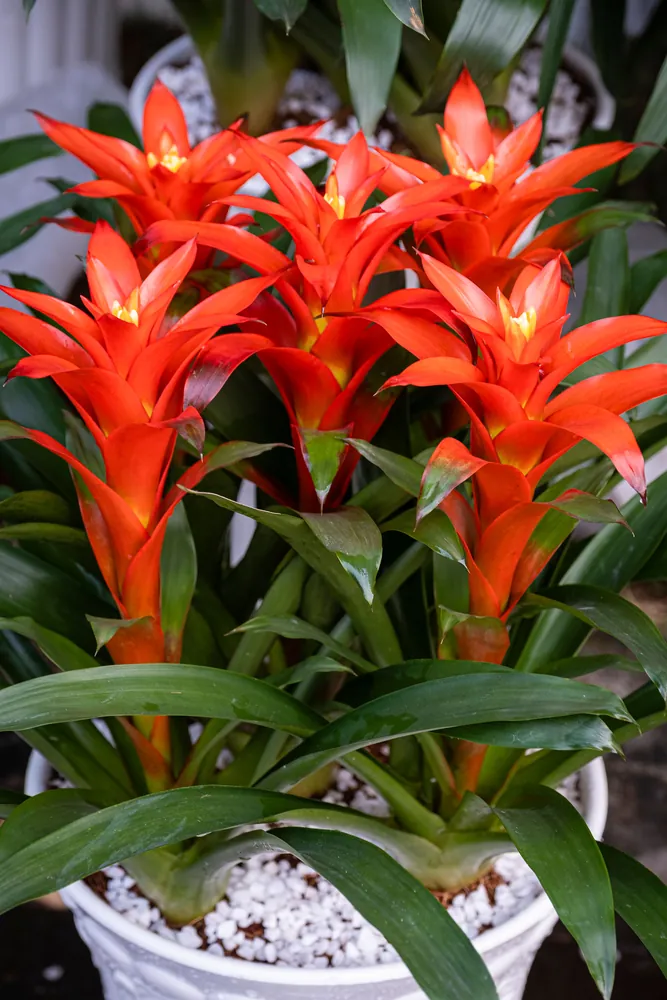
8. Scarlet Star Bromeliad (Guzmania spp.)
The scarlet star bromeliad is known in Chinese as “hong yun dang tou,” which literally means “great fortune at your doorstep.” Its most striking feature is the bright red, star-shaped flower bract that rises above the green foliage like a torch or a raised red hand.
Red in Chinese culture represents joy and celebration. The name itself is a blessing—good fortune is right in front of you. It is a common Spring Festival plant, placed in living rooms to welcome the new year with warmth and luck.
The red bract lasts for two to three months, and the plant is extremely shade-tolerant. It requires little care—just keep the central cup filled with water.
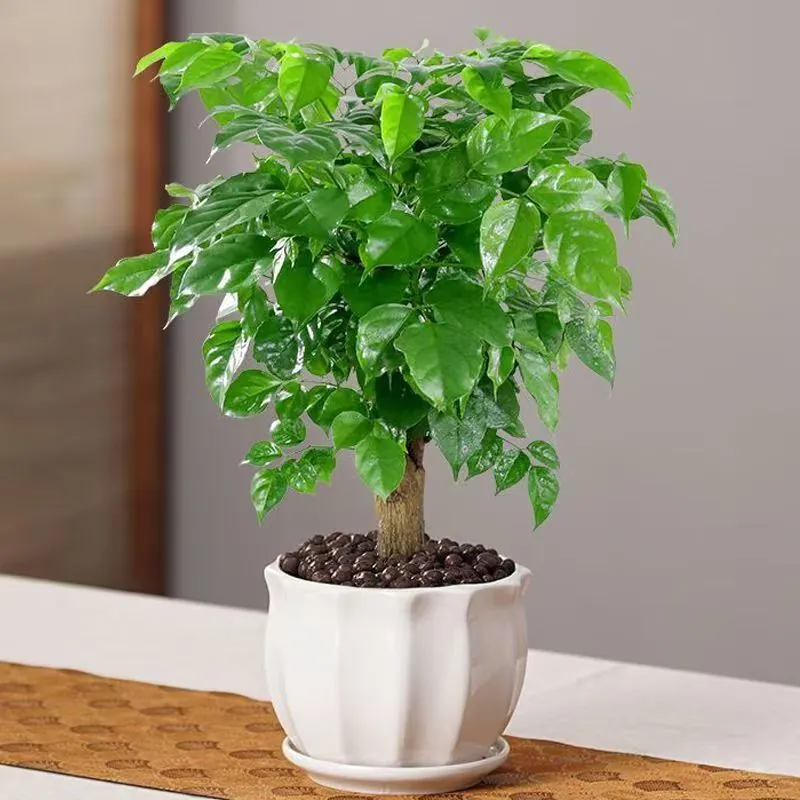
9. China Doll Plant / Happiness Tree (Radermachera sinica)
The China doll plant, known in Chinese as the “happiness tree,” is a popular indoor tree with lush, feathery green leaves and a full, umbrella-like shape. It is commonly placed in living rooms and office corners, filling the space with vibrant greenery.
Its name directly means “happiness tree,” symbolizing family well-being and peace. It is a thoughtful gift for housewarmings and business openings, wishing happiness and smooth progress. It prefers bright, indirect light and benefits from regular misting.
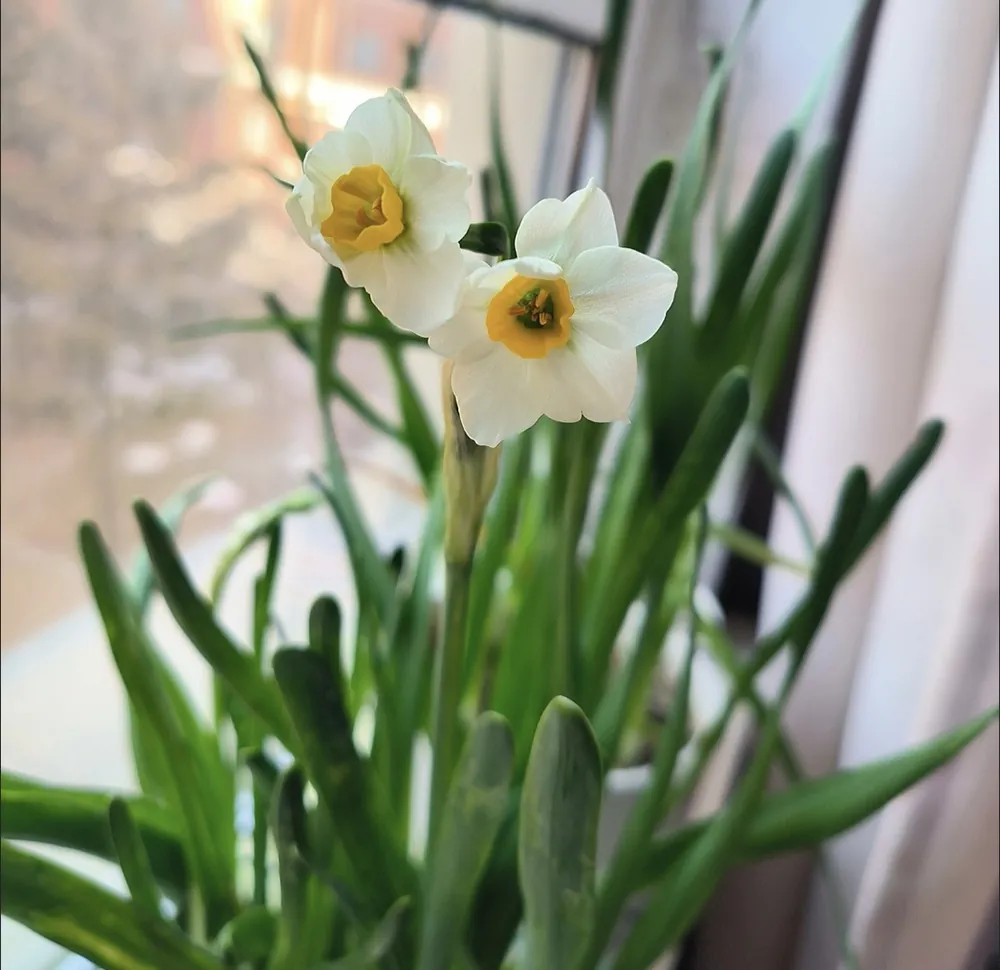
10. Chinese Sacred Lily (Narcissus tazetta var. chinensis)
The Chinese sacred lily is one of China’s ten famous traditional flowers and a classic Spring Festival plant. Its white petals and golden cup, set against slender green leaves, emit a delicate fragrance. It is known as the “fairy stepping on waves” and symbolizes purity, good fortune, and wishes coming true.
Traditionally, the bulbs are planted about a month before Spring Festival so that they bloom exactly on Lunar New Year’s Day, signaling a year of good fortune. They need bright light and cool temperatures.
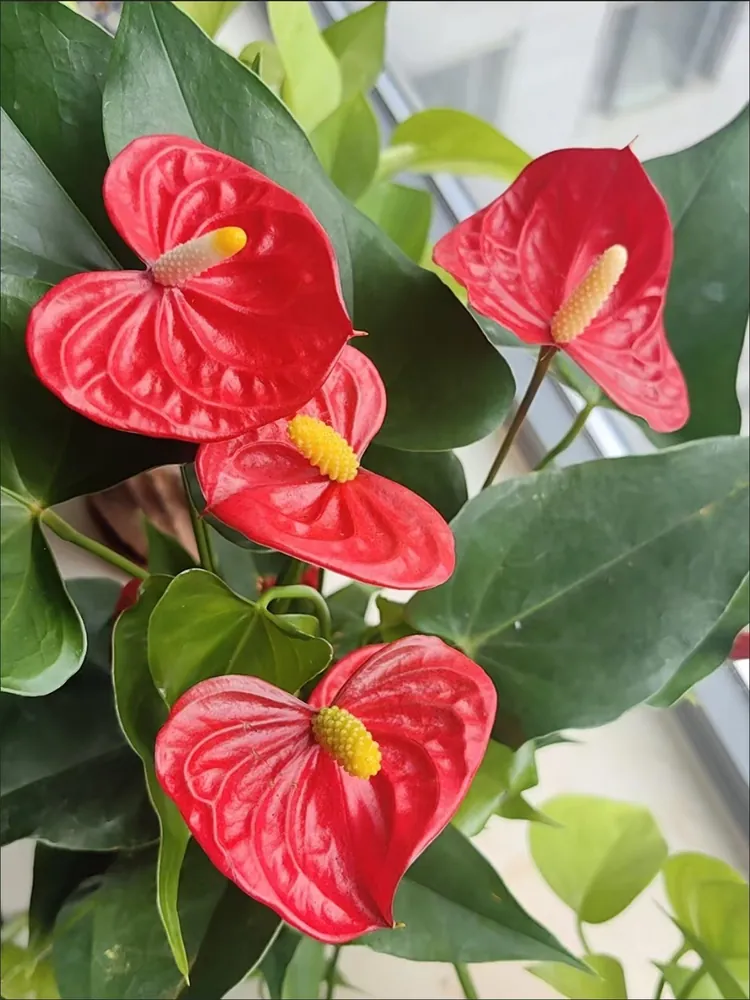
11. Flamingo Flower (Anthurium andraeanum)
The flamingo flower has a bright red, waxy heart-shaped bract with a yellow central spike. In Chinese culture, red represents celebration and passion, so the anthurium symbolizes a flourishing and prosperous life.
Each flower lasts one to two months, and the plant blooms almost year-round. It is placed in living rooms, dining areas, and offices to add a festive touch. It prefers warm, humid conditions and bright, indirect light.
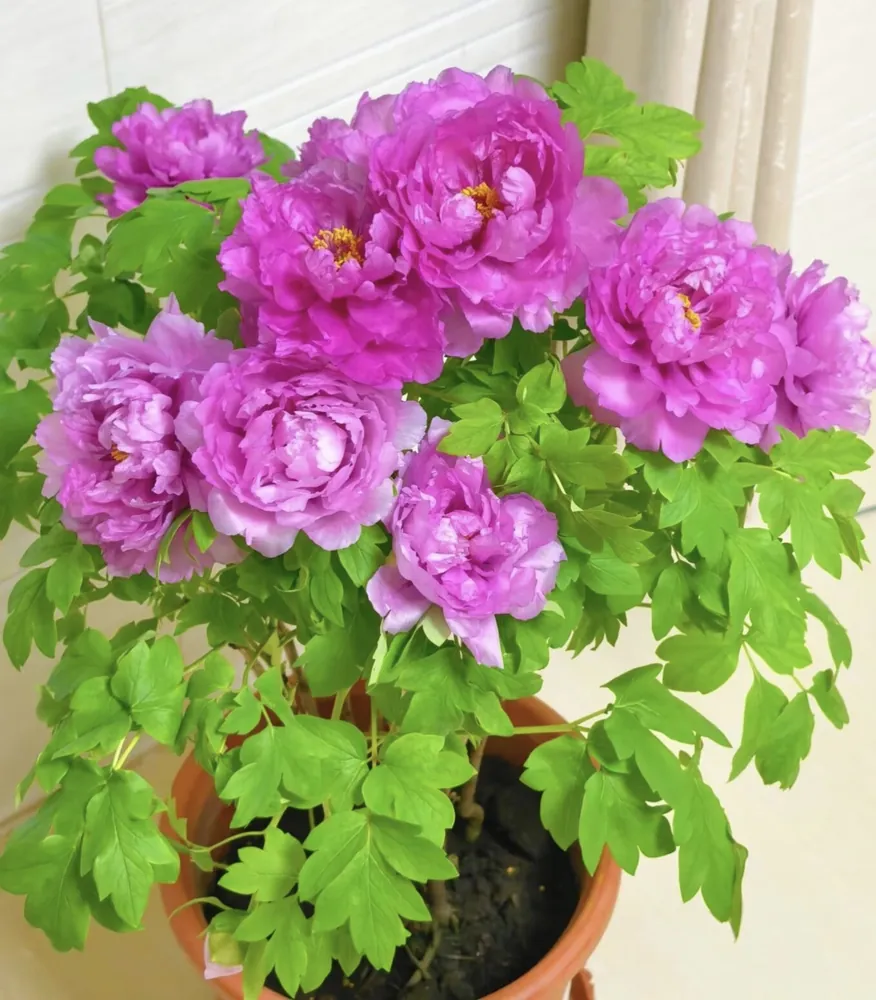
12. Peony (Paeonia suffruticosa)
The peony is known in China as the “king of flowers” and symbolizes wealth, honor, and prosperity. Since the Tang Dynasty, the peony has been synonymous with luxury and good fortune. The poet Liu Yuxi wrote, “Only the peony is the true capital of flowers; when it blooms, the whole city stirs.”
Potted peonies or cut peony arrangements wish the family wealth and health. They are best suited to gardens and balconies, as they require full sun and a cold winter period to bloom.
Part 3: Plants of Cultural Virtue
These plants carry not only auspicious meanings but also symbolize noble character and moral values.
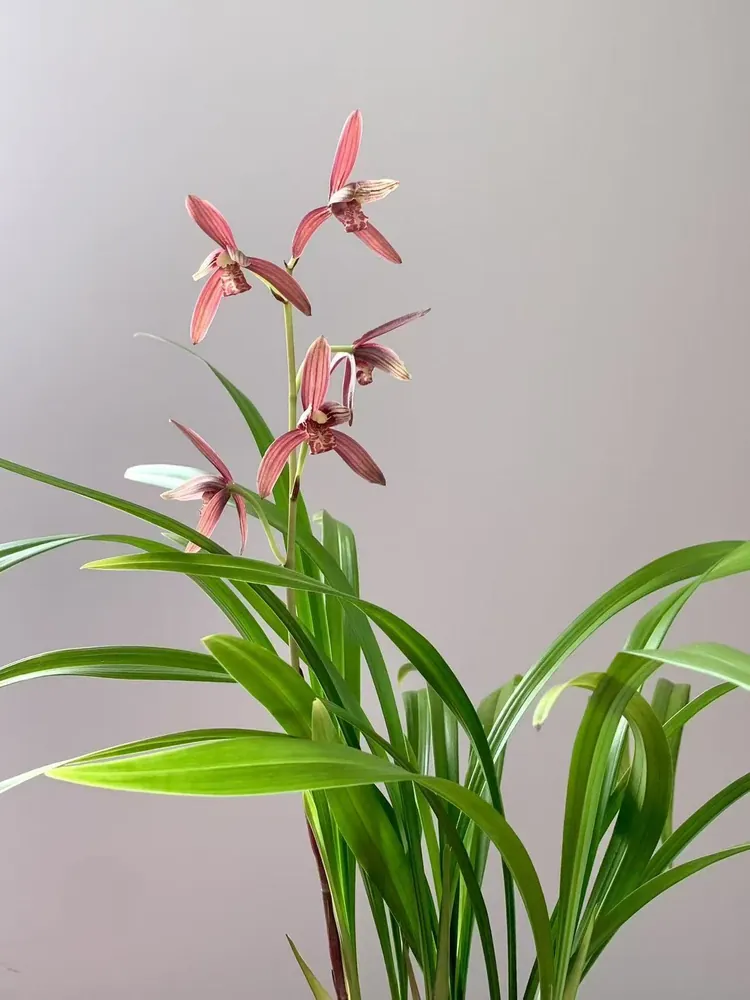
13. Orchid (Cymbidium spp.)
The cymbidium orchid is one of the “Four Gentlemen” of Chinese flowers (along with plum blossom, bamboo, and chrysanthemum), symbolizing purity, elegance, and steadfast integrity. Confucius said, “The orchid grows in the deep valley, not because no one appreciates its fragrance.”
In the context of fortune plants, orchids are believed to promote harmonious relationships, family peace, and academic success. They prefer well-ventilated spaces with bright, indirect light.
14. Plum Blossom (Prunus mume)
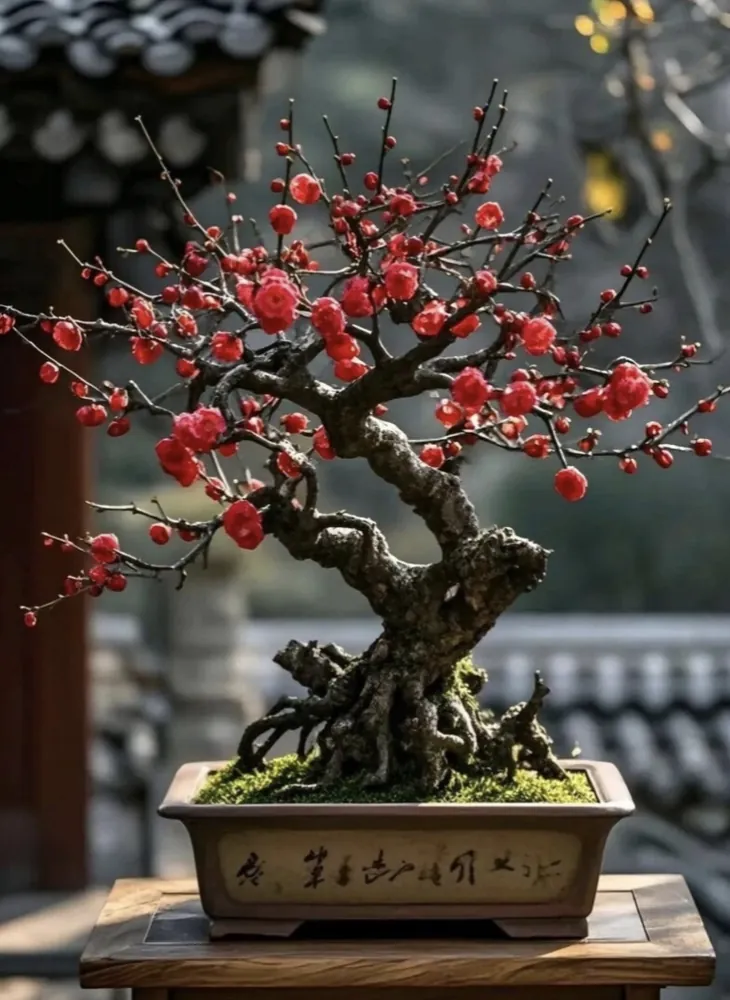
The plum blossom is one of the “Three Friends of Winter” (along with pine and bamboo). It blooms in late winter or early spring, symbolizing resilience and the arrival of good fortune. Its five petals represent five blessings: joy, happiness, longevity, success, and peace.
Potted plum blossoms or cut branches are placed in homes to welcome the new year with five blessings. They need full sun and a cold winter period.
15. Lotus (Nelumbo nucifera)
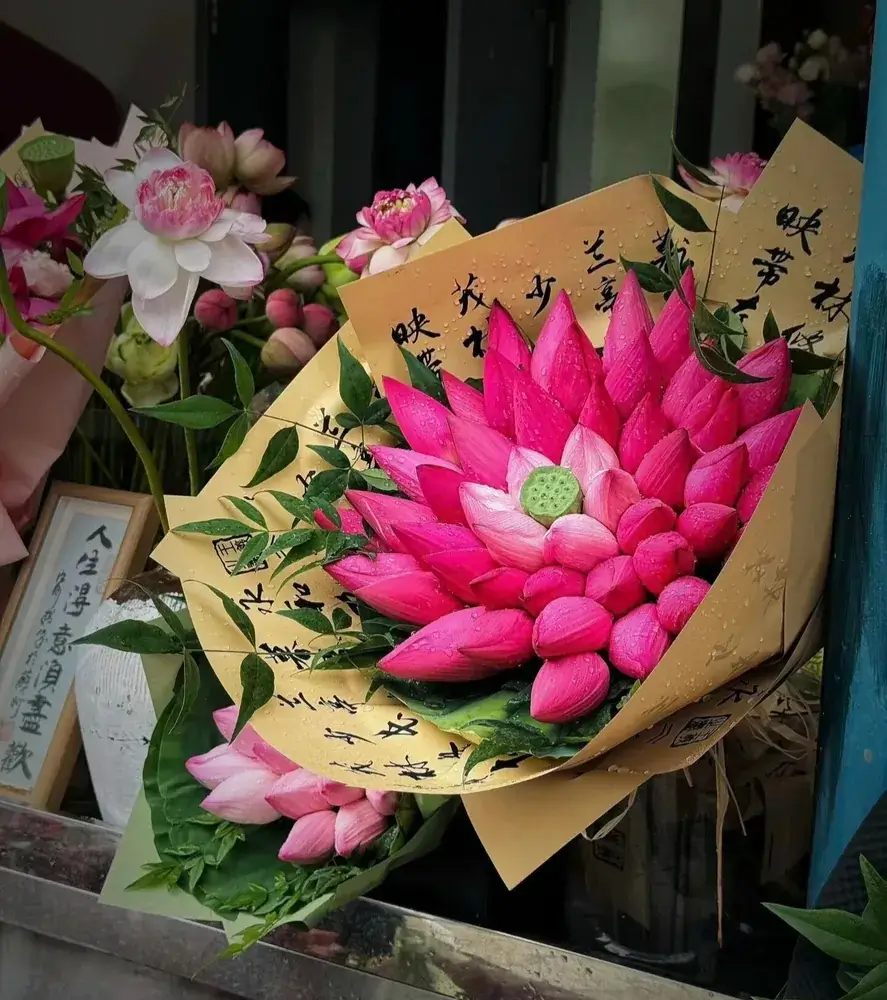
The lotus symbolizes purity, harmony, and good fortune. The Chinese word for “lotus” sounds like the words for “harmony” and “union,” wishing family togetherness. In Buddhism, the lotus is a sacred flower.
Dwarf lotus varieties can be grown in containers on balconies or in garden ponds, blooming in summer with a fresh fragrance. They need full sun and warm temperatures.
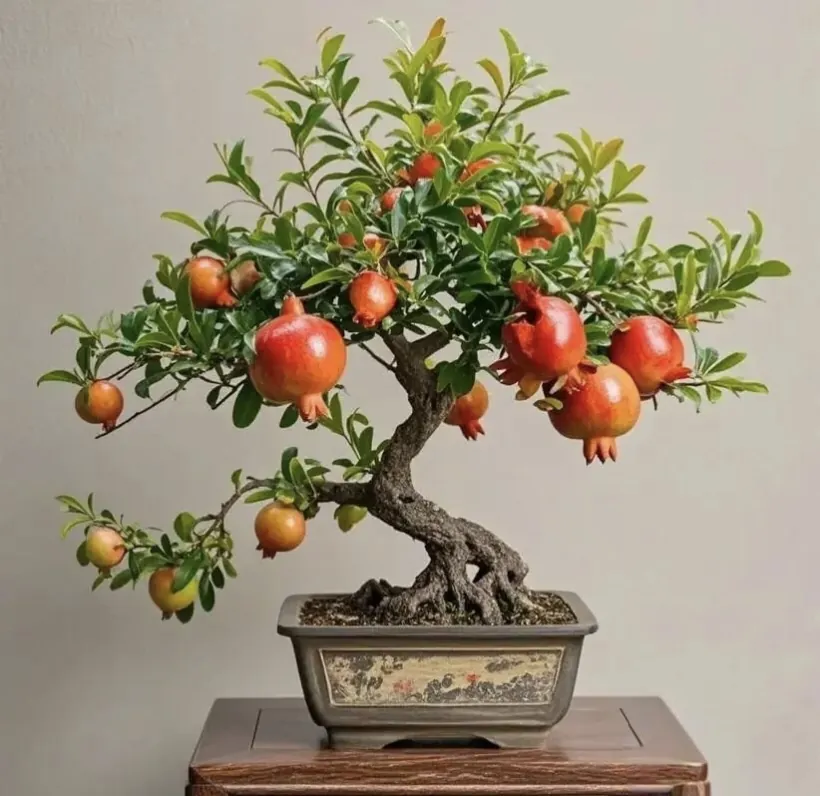
16. Pomegranate (Punica granatum)
The pomegranate symbolizes “many children, many blessings” in Chinese culture. A single pomegranate contains countless seeds packed tightly together, representing a flourishing family and many descendants. In traditional weddings, pomegranates are placed in the bridal chamber to wish the couple a harmonious marriage and healthy children.
The pomegranate flower is bright red and blooms in May. The poet Han Yu wrote, “The pomegranate flowers in May dazzle the eyes.” Growing a pomegranate tree in the garden means both enjoying its flowers and fruit and wishing the family prosperity.
17. Sweet Osmanthus (Osmanthus fragrans)
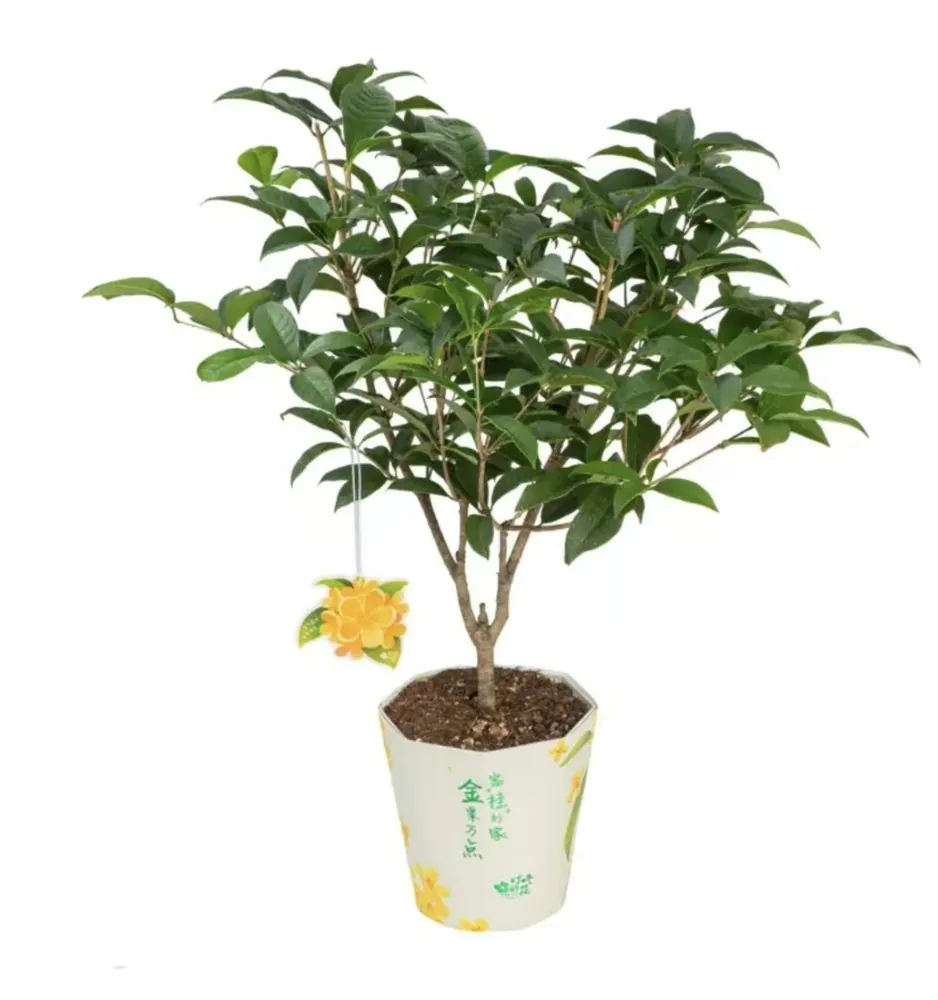
Sweet osmanthus symbolizes wealth and honor in Chinese culture—the word for “osmanthus” sounds like the word for “noble.” It blooms in autumn, filling the air with a honey-sweet fragrance.
It is also tied to the imperial examination tradition: passing the exam was called “plucking osmanthus from the moon palace,” symbolizing academic success and a bright career. Planting an osmanthus tree in the garden wishes the family wealth and scholarly achievement. Its flowers are also edible—used in osmanthus cakes, teas, and wines.
18. Magnolia (Magnolia denudata)
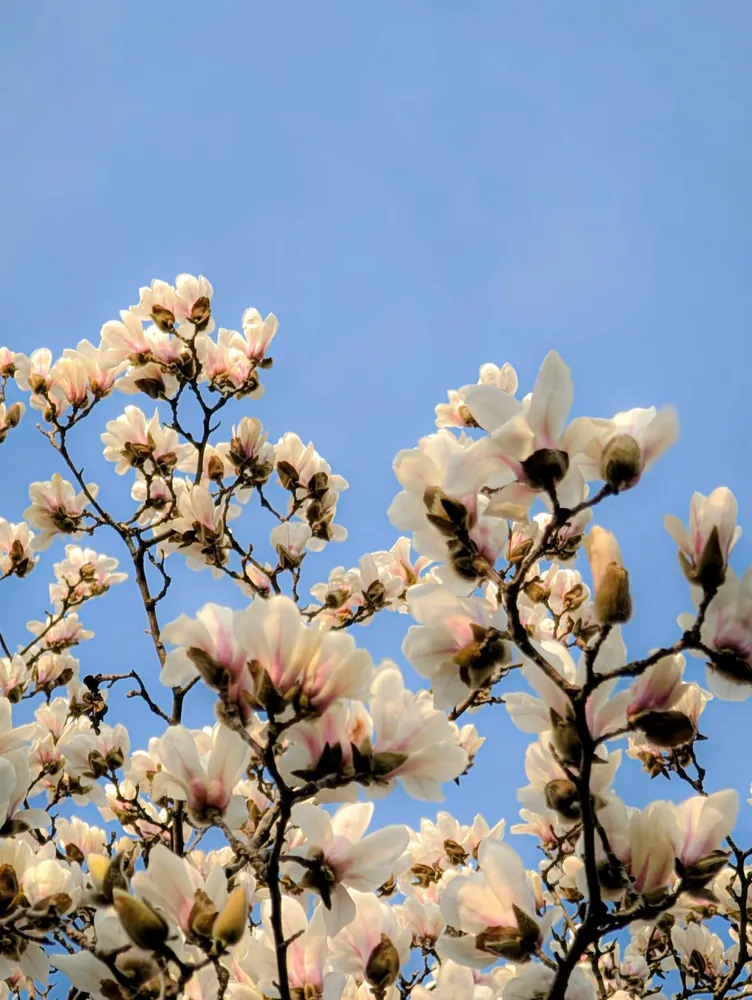
The magnolia blooms in early spring, its large white flowers standing upright on bare branches like jade cups. It symbolizes nobility, purity, and the arrival of good fortune. An old saying states, “Plant a magnolia in the courtyard, and the family will have peace.”
Magnolia is one of the most beloved ornamental trees in Chinese gardens. Its white blooms and elegant posture convey dignity and grace. Planting a magnolia tree wishes the family honor and tranquility.
Part 4: Plants of Health and Longevity
19. Kafir Lily (Clivia miniata)
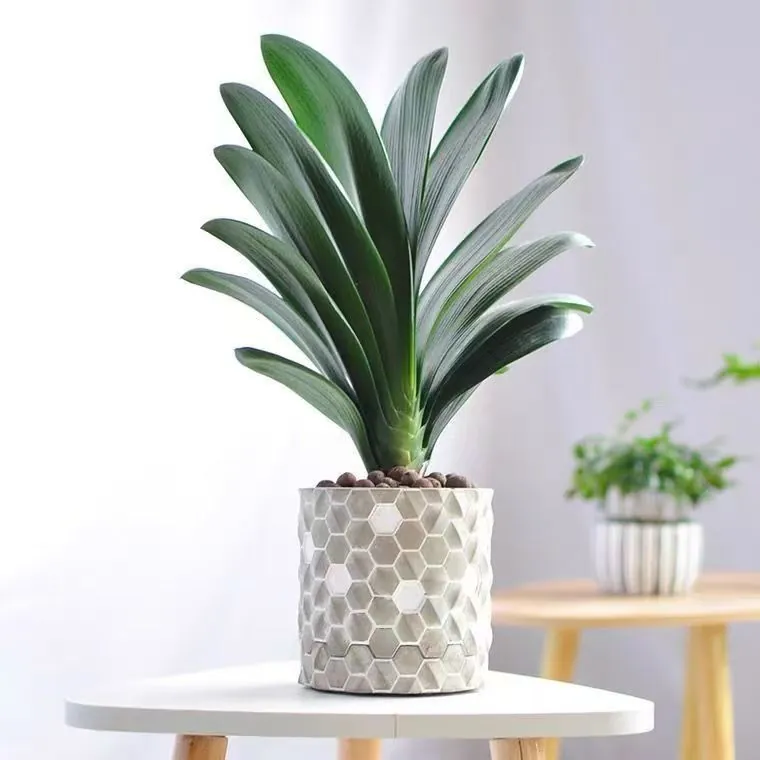
The kafir lily has broad, dark green leaves arranged like a fan, with sturdy flower stalks bearing clusters of orange blooms. In Chinese culture, it symbolizes the character of a gentleman—steadfast, upright, and dignified. It wishes the family harmony and prosperity.
It prefers bright, indirect light and good ventilation.
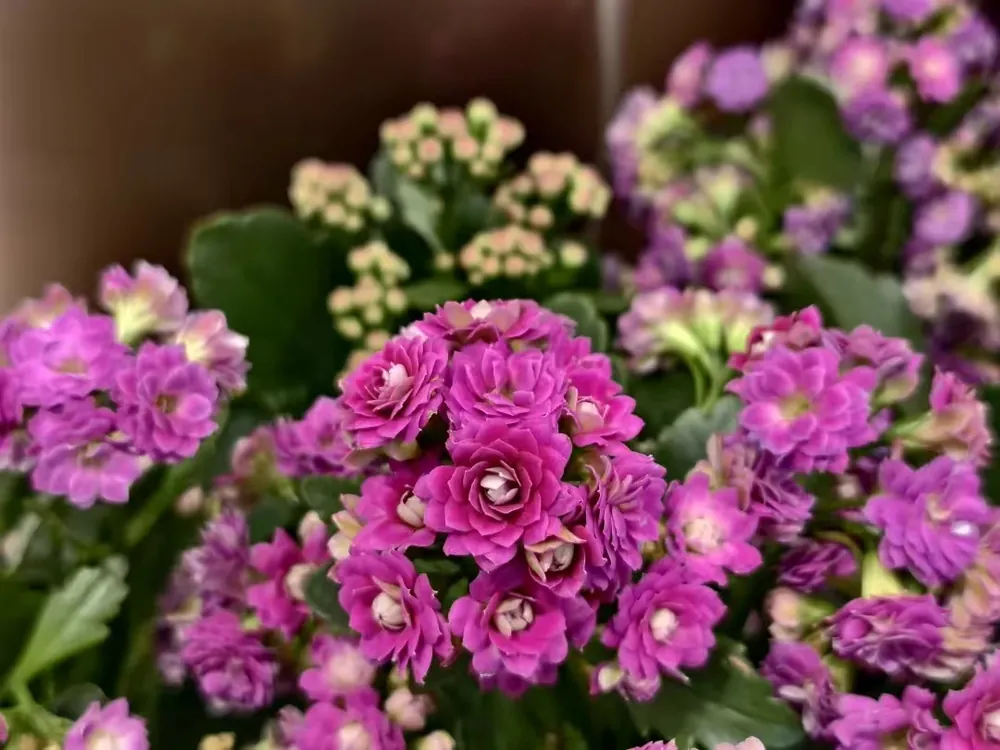
20. Kalanchoe (Kalanchoe blossfeldiana)
The kalanchoe is a compact succulent with clusters of small flowers in red, pink, yellow, or white. Its name directly means “longevity flower,” making it a popular gift for elders and birthday celebrations.
It blooms from early winter through late spring, making it a cheerful addition to windowsills and desks. It needs bright light and is drought-tolerant.
Part 5: Placement Tips
- Wealth corner (southeast): In feng shui, the southeast area of a home or office is associated with wealth. Place money trees, ZZ plants, lucky bamboo, coin grass, or string of buttons here.
- Entryway: Place lucky bamboo or orchids to welcome guests with peace and elegance.
- Living room: Money trees, moth orchids, scarlet star bromeliads, flamingo flowers, China doll plants, and clivias add vibrancy and warmth.
- Study: Orchids and small plants like coin grass or string of buttons create a focused, elegant atmosphere. Place sweet osmanthus in a student’s study to wish for academic success.
- Garden: Plant pomegranates (many descendants), sweet osmanthus (wealth), magnolias (nobility), and peonies (prosperity) as traditional garden trees.
- Shops and malls: Large moth orchid arrangements, money trees, kumquats, and scarlet star bromeliads are the most common display plants—elegant, festive, and associated with prosperity.
- Important note: Fortune plants must stay healthy. Yellowing leaves or a dying plant should be pruned or replaced promptly, as withered foliage is believed to bring declining energy. Thorny plants like cacti are generally not recommended for bedrooms.
Conclusion
Chinese fortune plant culture is, at its heart, a way of expressing life’s hopes through plants. A green plant with a meaningful name, a pleasing shape, and a hopeful symbol not only purifies the air and beautifies a space—it also brings a quiet sense of joy and expectation every time you look at it.
From the money tree and coin grass in the office, to the kumquats, moth orchids, and scarlet star bromeliads in the living room during Spring Festival, to the pomegranates, osmanthus, and magnolias in the garden—these fortune plants are not about superstition. They represent the Chinese people’s simplest, warmest wish for life: may the coming year bring wealth, blooming prosperity, family peace, and happiness in every season.
More from The Plant World:
- Chinese Wingnut: The Romantic “Ingot Tree” and Its Cultural Charm
- Plum Blossom Meaning: Symbolism & Cultural Significance
- The Hidden Meanings Behind Red Plum Blossoms
- Chinese Wisteria: History, Symbolism, and Identification
- Peach Blossoms in China: History, Culture, and Symbolism
- Chinese Crepe Myrtle: Guide to Origins & Symbolism
- Ginkgo Leaf Meaning: 5 Secrets of This Ancient Fossil
- Chinese Loquat Tree: Guide to Benefits & History
- Rose of Sharon Tree: Guide to Meaning & Care
- Hosta Plant Benefits: 5 Surprising Uses & Planting Guide
- Strawberry Begonia Care: How to Grow Saxifraga Stolonifera
Discover more from The Plant World
Subscribe to get the latest posts sent to your email.