
Summer in China belongs entirely to the lotus, arguably the most celebrated among Chinese aquatic plants. For thousands of years, countless classic Chinese poems have captured its gentle, vibrant summer charm. Lines like “Green lotus leaves stretch endless as the sky; lotus blooms glow red against the sun” carry a timeless pastoral beauty that still resonates today.
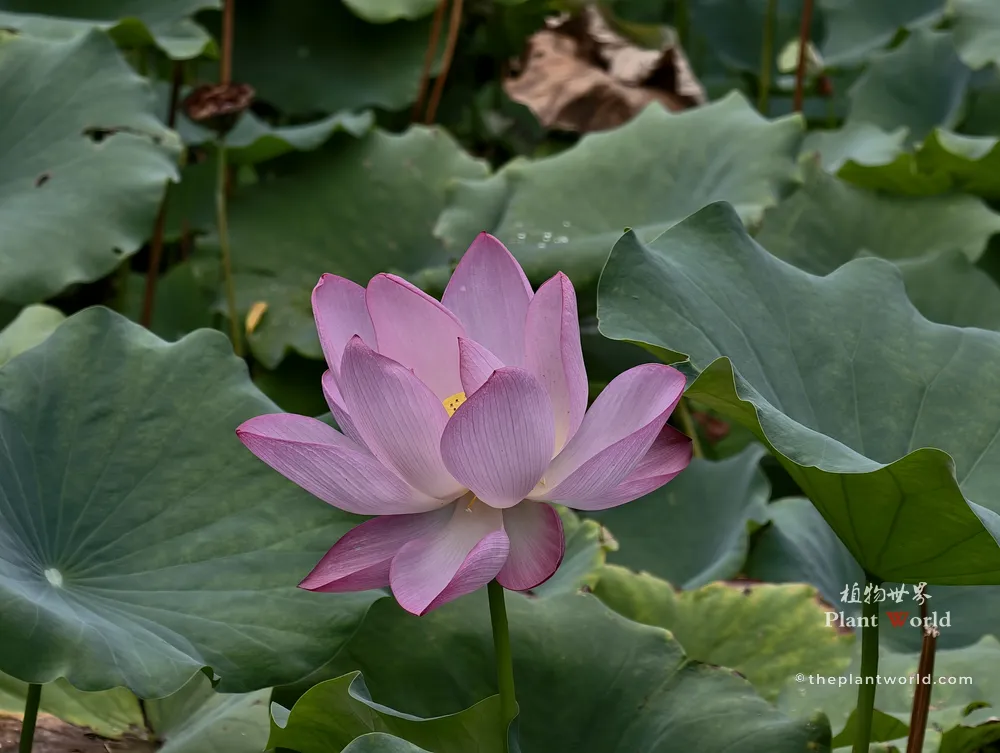
Nelumbo nucifera, widely known as the Chinese lotus, ranks among China’s Top Ten Famous Flowers. It carries multiple elegant ancient aliases: furong, handan (unopened lotus buds), and xianhe (the summer flower goddess). As recorded in the Ming Dynasty botanical text Qunfang Pu, the lotus is hailed as the ultimate gentleman among all blooms—growing from dark mud yet remaining untainted.
1. The Gentleman Flower: Core Cultural Spirit
No writing better defines the character of the lotus than Zhou Dunyi’s Song Dynasty classic, On the Love of the Lotus (Ai Lian Shuo), a staple of traditional education:
“I only love the lotus, which rises pure from mud, unadorned after cleansing. Its stem is hollow inside and straight outside, without twisting vines or stray branches. Its fragrance drifts far and clear; it stands elegant and upright, meant for distant admiration, not casual handling.”
This text firmly established the lotus as the universal symbol of integrity, purity, and unyielding moral character in Chinese plant culture. Interestingly, the Mandarin character for lotus (lian) sounds exactly like the word for honesty/incorruptibility (lian), making it a timeless emblem for upright officials throughout history.
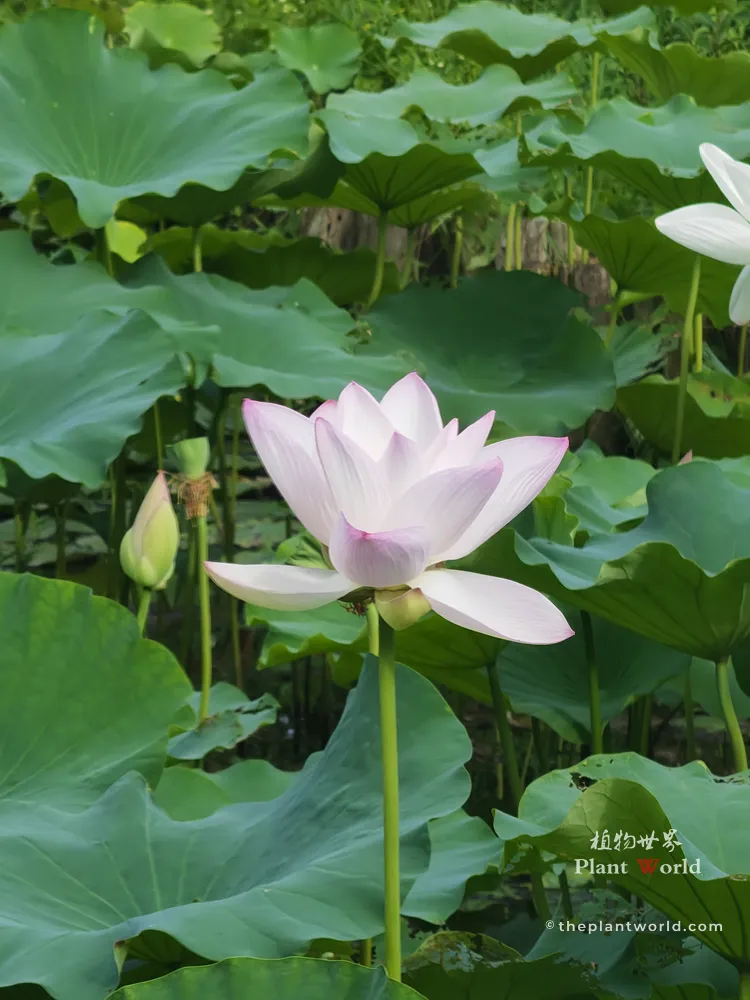
Famous viewing spots across China—such as West Lake’s Quyuan Wind Lotus, Mochou Lake, and Sanshui Lotus World—preserve this age-old tradition. In traditional garden design, it forms the cornerstone of the classic four-season planting scheme: willows mark spring, lotus adorns summer, paulownia colors autumn, and plum blossoms brighten winter. This layered scenery is fully illustrated across historical Chinese garden plants.
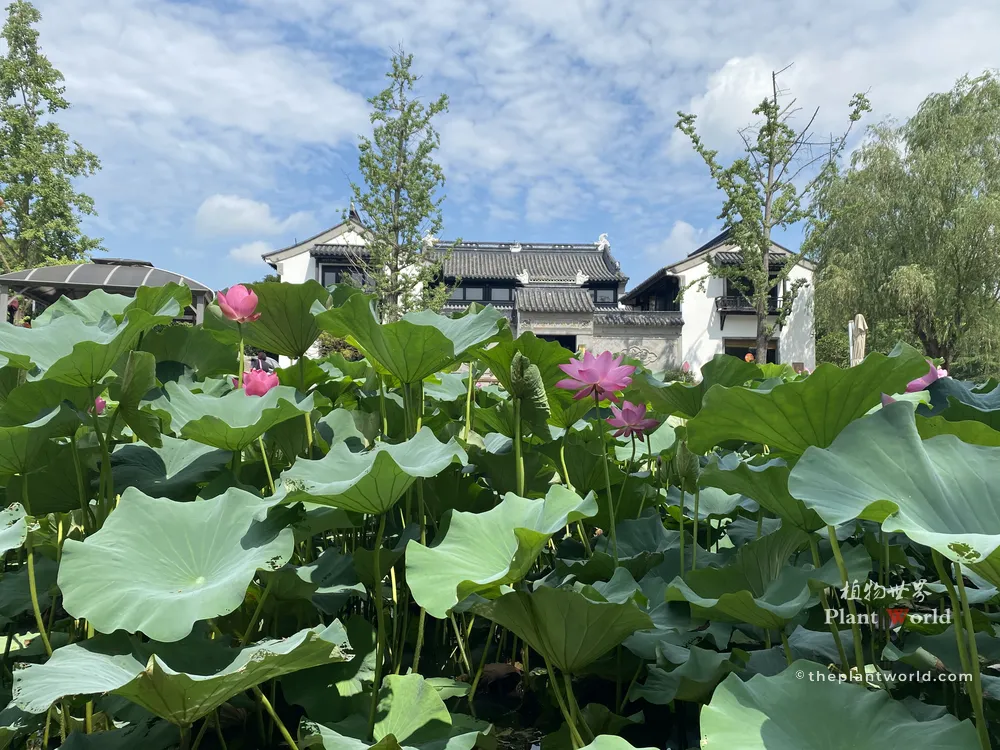
2. Sacred Symbol in Buddhism
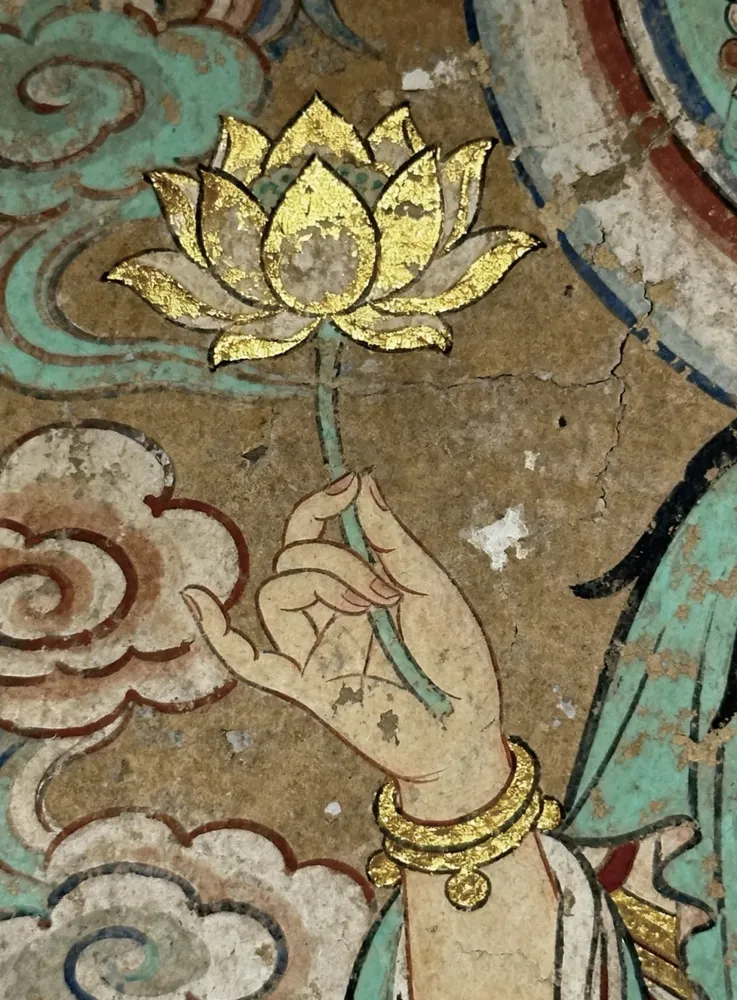
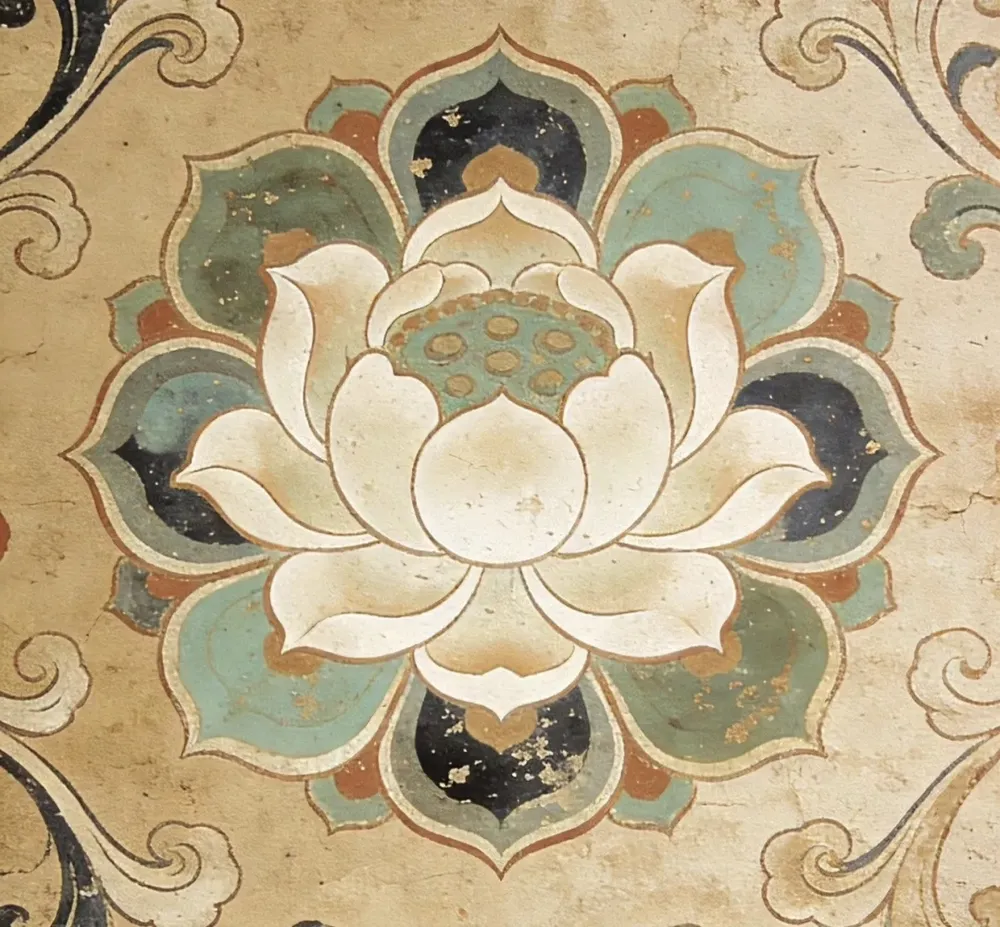
Long before secular scholars praised it, the lotus stood as Buddhism’s most sacred floral icon, deeply integrated into Chinese botanical art ranging from temple murals to fine porcelain patterns. The flower’s core trait—blooming spotless out of muddy bottoms—perfectly illustrates the Buddhist philosophy of retaining a peaceful, uncorrupted soul amid worldly troubles.
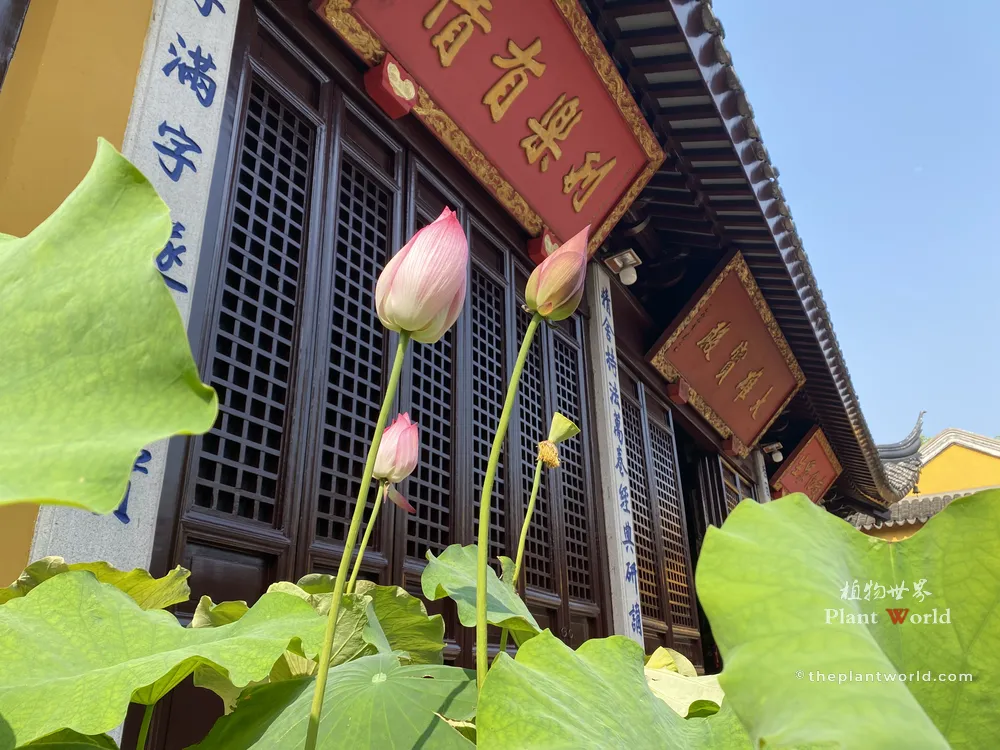
Key Buddhist Lotus Symbolism:
- The Buddha’s Birth Legend: Prince Siddhartha took seven steps immediately after birth, with a pure white lotus blooming beneath each footprint, creating the tradition of placing deities upon lotus thrones.
- Karmic Cycle: A single lotus bears open blossoms and ripe seeds simultaneously, symbolizing the inseparable bond of cause and effect (karma).
- The Lotus Sutra: This central sacred text takes the bloom as its namesake, framing purity and enlightenment as the core of Buddhist teachings.
3. Folk Auspicious Meanings & Romance
In everyday Chinese folklore, the lotus is a beloved token of good fortune, heavily built around homophonic wordplay:
- Harmony: He (lotus) sounds identical to he (harmony), representing peaceful families and relationships.
- Wealth: Paired with carp, it forms the popular motif “nian nian you yu” (year-after-year surplus of wealth).
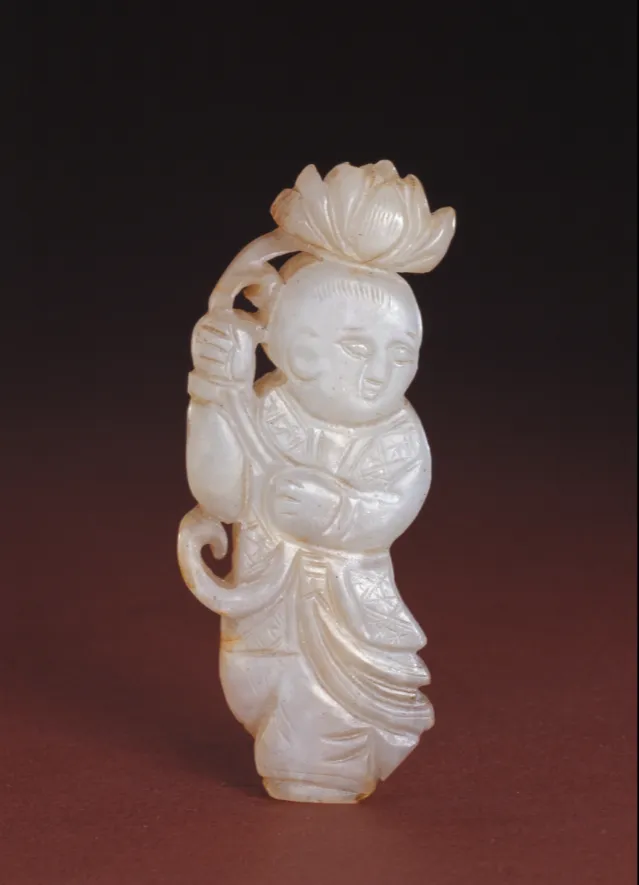
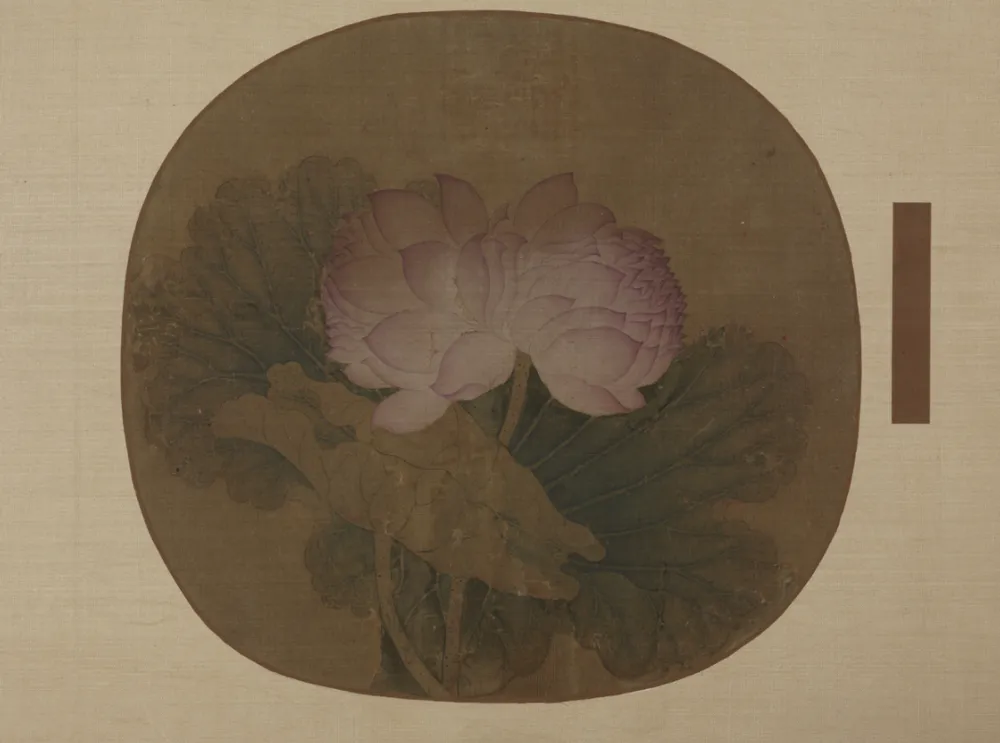
- Marriage: Twin lotus blooms growing on a single stalk (bingdi lian) symbolize a loyal, devoted marriage.
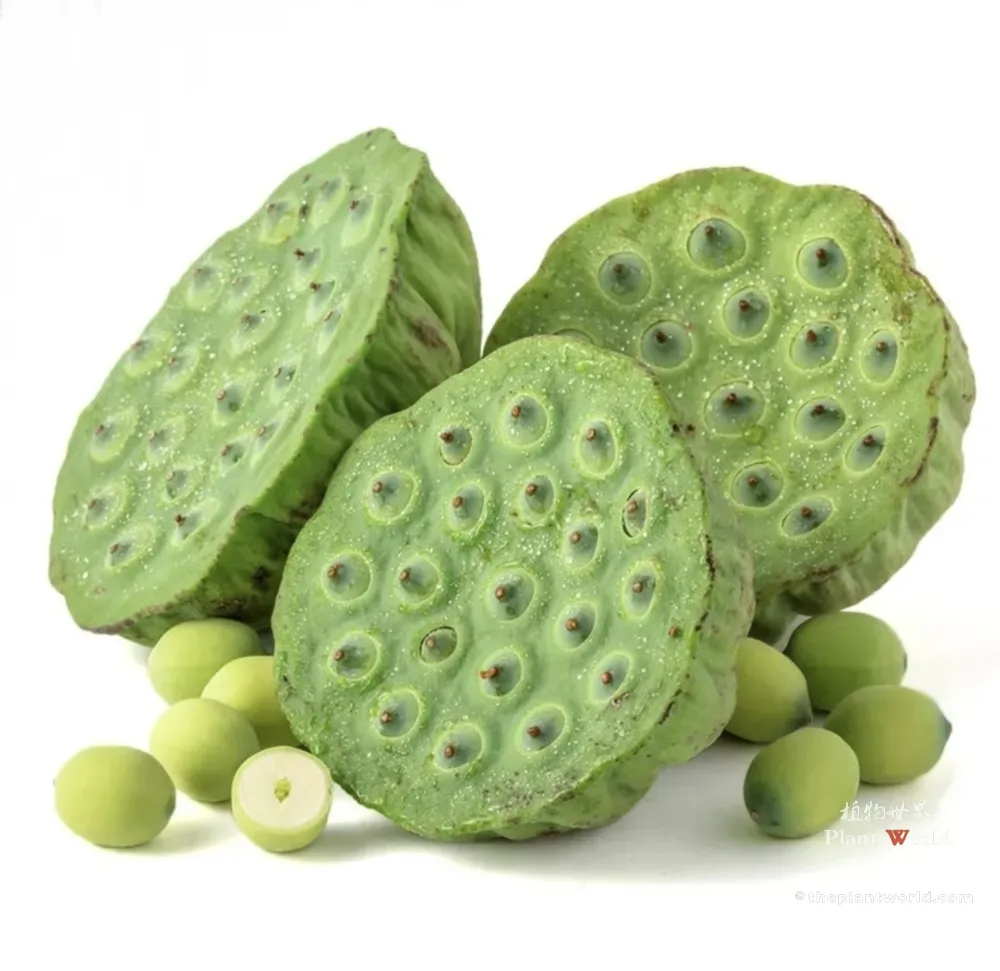
- Descendants: Full seed pods stand for wishes of a flourishing family with healthy descendants.
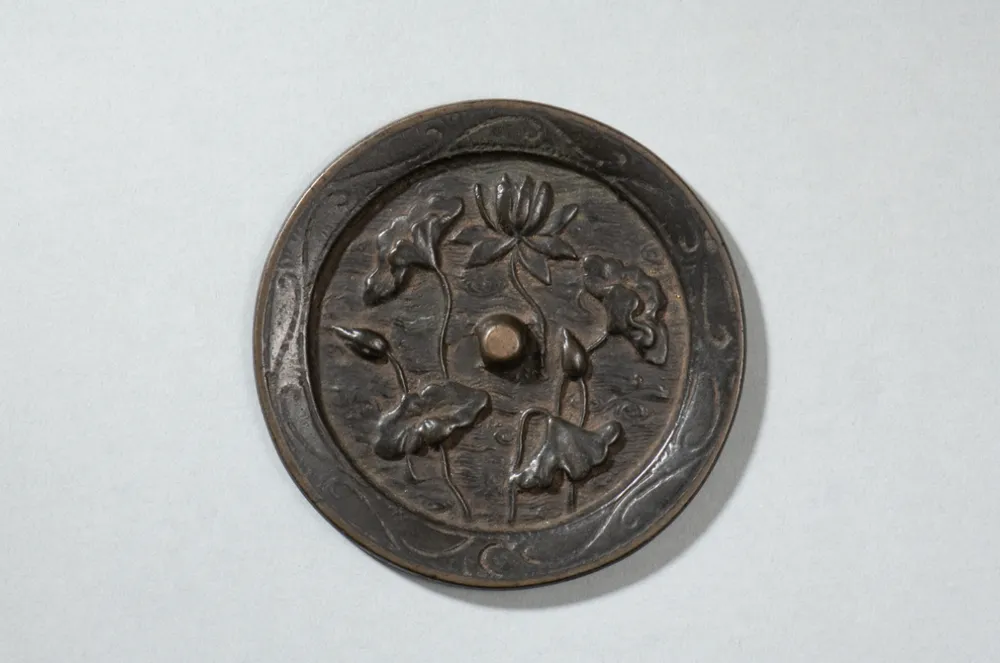
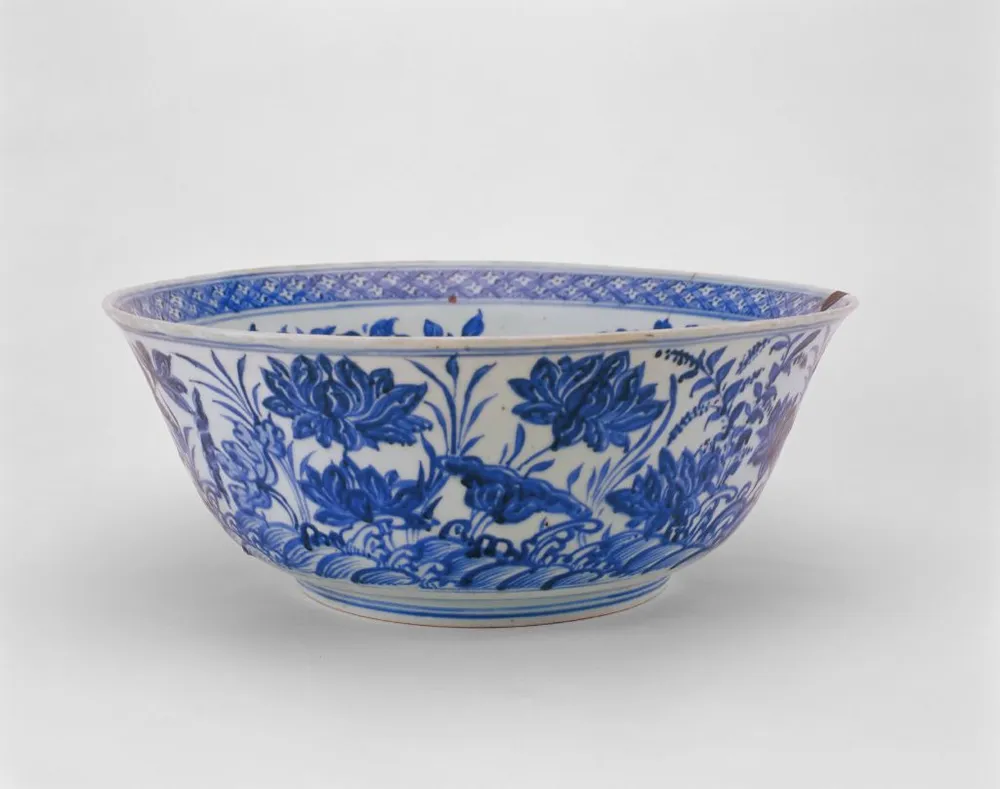
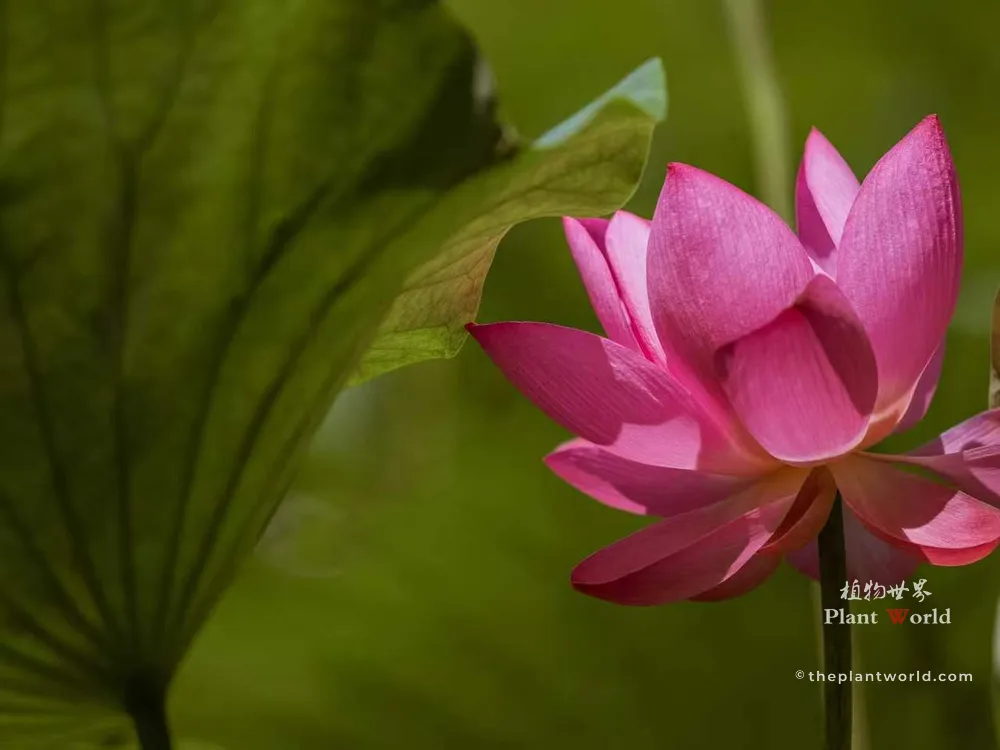
Beyond auspicious tokens, its soft white and pink petals carry romantic connotations, representing sincere, unspoiled love and quiet inner peace.
4. The Three Main Types of Chinese Lotus
Modern cultivation divides all varieties into three functional categories, each valued for distinct practical or ornamental uses:
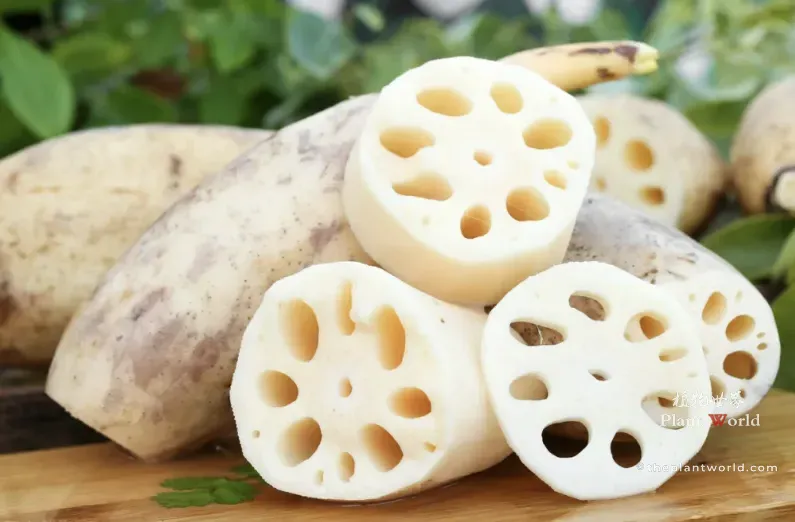
- Edible Root Lotus (Ou Lian): Cultivated primarily for thick, crisp lotus roots. Grown in deep mud, its underground rhizome is high in starch, ideal for stir-fries, soups, and cold salads. Every part of the plant holds practical value; the leaves, stems, and seed pods feature prominently in traditional herbal wellness.
- Seed Lotus (Zi Lian): Bred specifically for abundant lotus seeds. It produces large, full seed pods with plump, sweet seeds that can be eaten fresh or dried for sweet tonic soups.
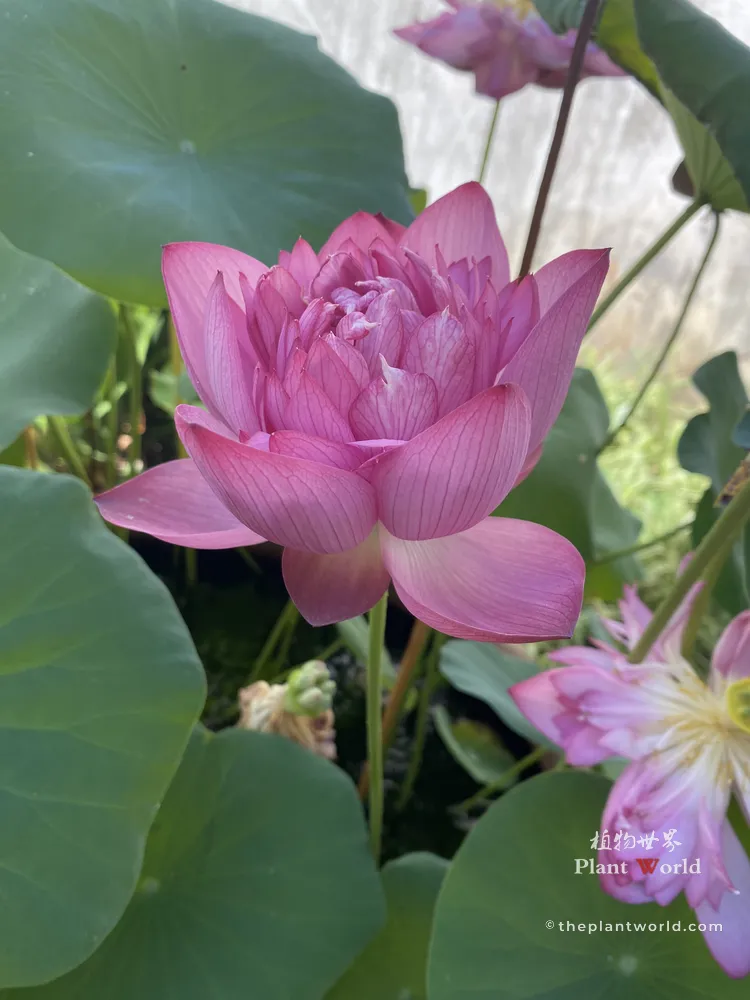
- Ornamental Lotus (Hua Lian): The most diverse group used for water garden landscaping. It is sorted by petal layers (single, semi-double, and double) with colors ranging from snow white and soft pink to deep crimson. Rare twin lotus flowers are highly prized garden rarities.
Conclusion
More than just a summer aquatic bloom, the Chinese lotus carries thousands of years of layered meaning: scholar virtue, Buddhist serenity, folk joy, and poetic beauty. Embracing the ancient philosophy of “harmony in diversity,” it remains an irreplaceable treasure in Oriental gardening—a timeless symbol of purity, peace, and quiet noble grace.
References
- Watson, B. (1993). The Lotus Sutra. Columbia University Press.
- Wang, Q. C., & Zhang, X. Y. (2011). Lotus cultivar genetic and morphological classification. Journal of the American Society for Horticultural Science, 136(5), 339–347.
- Zhou, D. Y. (1963). On the love of the lotus. In W.-T. Chan (Trans. & Ed.), A source book in Chinese philosophy (pp. 467–468). Princeton University Press. (Original work published c. 1071).
Disclaimer
All herbal, medicinal, and ethnobotanical usages documented here are shared strictly for historical, cultural, and educational reference. This article serves botanical reference purposes only. Do not consume raw wild plant parts, ingest extracts internally, or apply homemade external tonics without professional guidance from a certified medical practitioner or qualified TCM specialist.
More from The Plant World:
- Chinese Wingnut: The Romantic “Ingot Tree” and Its Cultural Charm
- Plum Blossom Meaning: Symbolism & Cultural Significance
- The Hidden Meanings Behind Red Plum Blossoms
- Chinese Wisteria: History, Symbolism, and Identification
- Peach Blossoms in China: History, Culture, and Symbolism
- Chinese Crepe Myrtle: Guide to Origins & Symbolism
- Ginkgo Leaf Meaning: 5 Secrets of This Ancient Fossil
- Chinese Loquat Tree: Guide to Benefits & History
- Rose of Sharon Tree: Guide to Meaning & Care
- Hosta Plant Benefits: 5 Surprising Uses & Planting Guide
- Strawberry Begonia Care: How to Grow Saxifraga Stolonifera
Discover more from The Plant World
Subscribe to get the latest posts sent to your email.