
Introduction
Weigela bushes (sometimes misspelled as wagilia) are popular, low-maintenance flowering shrubs beloved by home gardeners for their abundant spring blooms, graceful arching branches, and vibrant foliage. Native to East Asia, including most parts of China, these hardy deciduous shrubs stand among classic Chinese Garden Plants, alongside well-known ornamentals such as the Rose of Sharon Tree.
They deliver reliable color and texture to landscape beds, borders, and foundation plantings. With proper planting and simple routine care, weigela can thrive for decades and produce masses of trumpet-shaped flowers year after year.
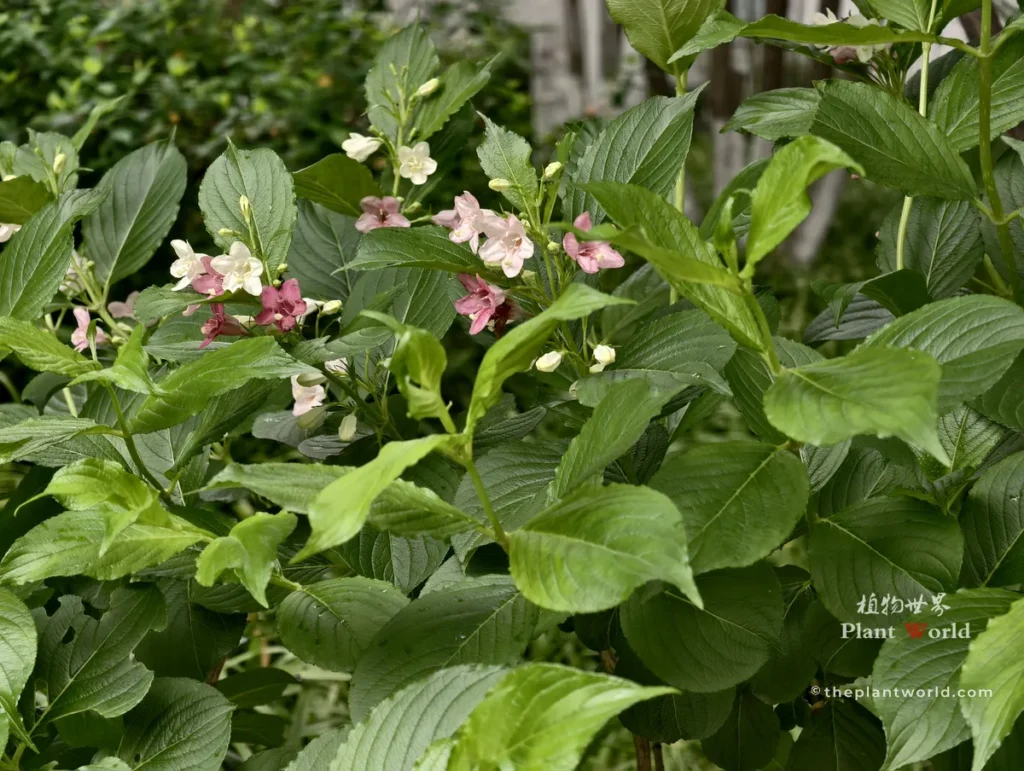
Best Planting Conditions for Weigela
Climate and Hardiness
Weigela adapts well to temperate climates and fits USDA hardiness zones 4 through 8. It tolerates cold winters and moderate summer heat but struggles in extreme tropical heat or overly humid, stagnant environments. Planting in the right season is critical for successful establishment: choose cool days in early spring or late fall to avoid scorching summer temperatures and freezing winter frost.
Sunlight Requirements
For maximum flowering performance, plant weigela in full sun, with a minimum of six hours of direct sunlight daily. Shrubs grown in partial shade will survive but produce fewer blooms and develop sparse, leggy growth. Variegated and colored-foliage varieties also require ample sunlight to maintain their distinct leaf hues.
- Best Location: Plant weigela in a sunny spot protected from harsh winter winds. If you must plant in partial shade, consider variegated cultivars like Weigela ‘Variegata’, which hold up slightly better in lower light conditions and pair beautifully with shade-tolerant hostas, though full sun is always preferred for maximum blooms.
Soil Preferences
Weigela is not overly fussy about soil types but demands good drainage above all else. It hates waterlogged roots, a condition commonly known as “wet feet” that leads to root rot. The ideal soil is moist, loose, and moderately fertile, with a slightly acidic to neutral pH ranging from 5.5 to 7.5. Heavy clay soil should be amended with compost or aged manure to improve porosity, while overly sandy soil can be enriched with organic matter to retain moisture.
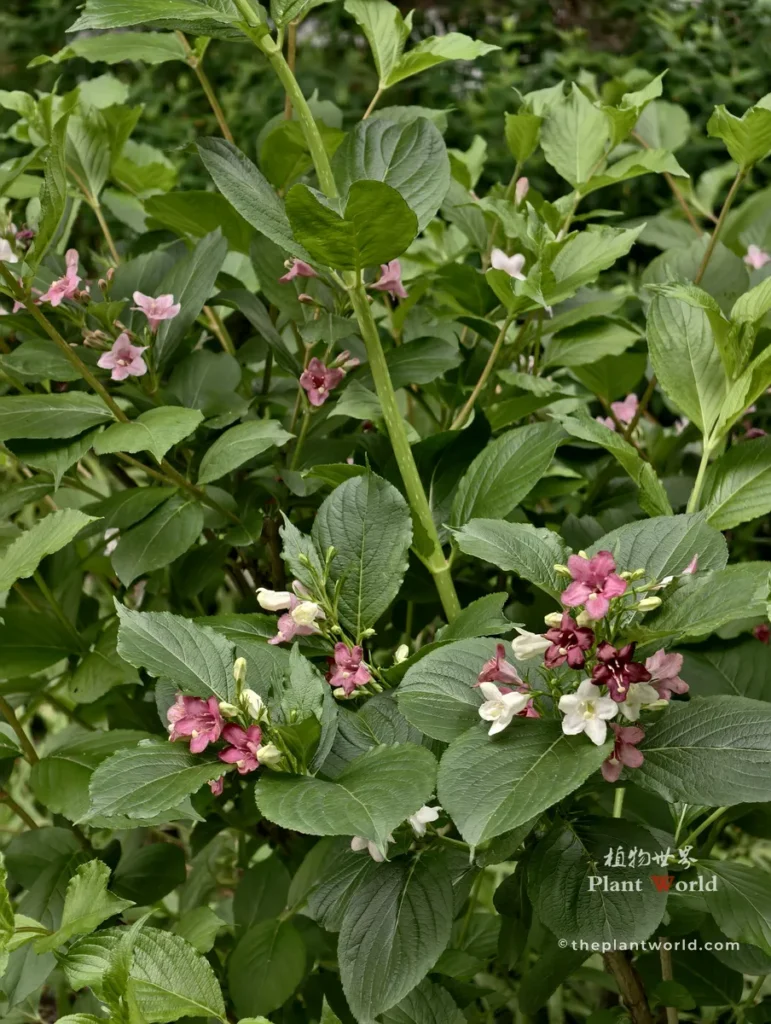
Step-by-Step Planting Guide
Follow these simple steps to plant your weigela bush correctly for long-term health and vigorous growth:
- Dig the Hole: First, dig a planting hole that is two to three times wider than the shrub’s root ball but exactly as deep. A wide, shallow hole loosens surrounding soil and allows new roots to spread easily. Avoid digging too deep, as burying the root ball will stunt growth and cause rot.
- Prepare the Roots: Next, gently remove the weigela from its nursery pot. If the roots are tightly coiled, tease them loose slightly to encourage outward growth.
- Position the Shrub: Place the shrub in the center of the hole, ensuring the top of the root ball sits perfectly level with the surrounding ground soil—never sunk below the surface.
- Backfill and Water: Backfill the hole with a mix of native soil and well-rotted compost, pressing the soil down lightly to eliminate air pockets. After planting, water the shrub deeply with a full watering can to settle the soil around the roots.
- Mulch: Finally, apply a 2-inch layer of bark mulch or compost over the root zone to lock in moisture, suppress weeds, and regulate soil temperature. Keep mulch a small distance away from the main stems to prevent stem rot.
- Spacing Tip: Space multiple weigela bushes according to their mature size. Compact cultivars need 2 to 3 feet of spacing, while standard large varieties require 4 to 6 feet to avoid overcrowding.
Ongoing Weigela Bush Care
Watering
Newly planted weigela needs consistent water during its first one to two growing seasons. Provide approximately one inch of water per week, watering deeply at the drip line rather than sprinkling foliage overhead. Once fully established, weigela becomes moderately drought-tolerant and can survive short dry spells. However, prolonged drought will cause bud drop and reduced flowering, so supplemental watering is recommended during hot, dry summer stretches.
Fertilizing
Weigela grows well with light, annual feeding. Apply a balanced, slow-release shrub fertilizer in early spring before new foliage emerges to support vigorous growth and abundant blooms. Avoid heavy fertilization in late summer or fall, as this stimulates tender new growth that will be damaged by winter frost. If leaves turn yellow between veins, indicating minor iron deficiency in alkaline soil, apply a chelated iron drench to correct the issue.
Pruning (Most Critical Care Tip)
Understanding weigela’s flowering habit is key to successful pruning: weigela blooms on old wood. All flower buds form on stems grown in the previous summer. Improper pruning will remove next year’s flower buds and ruin the blooming display.
- When to Prune: According to Clemson University Cooperative Extension, the safest time to prune weigela is immediately after spring flowering, usually from late June to early July.
- How to Prune: Trim back faded flowering stems to a strong pair of healthy buds or a lower side branch. Remove dead, weak, or crossing branches at any time of the year to improve air circulation.
- Avoid: Never prune in winter, early spring, or late fall.
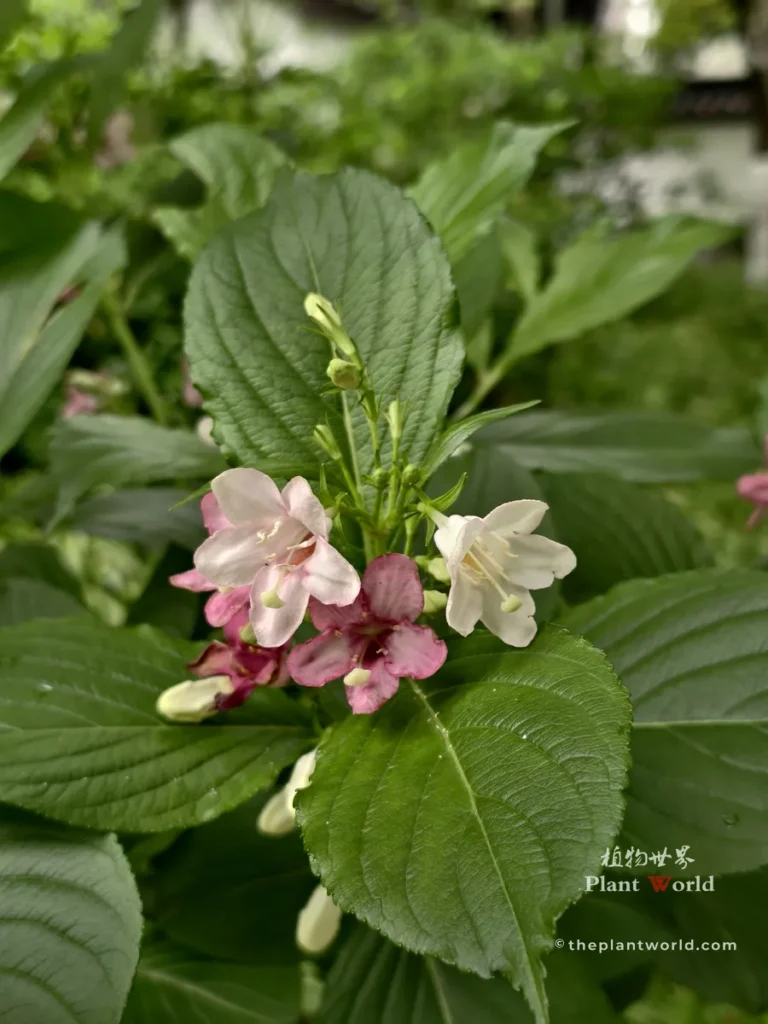
Pest, Disease, and Pet Safety
Pest and Disease Control
Weigela is naturally resistant to most serious pests and diseases. Occasional minor issues include aphids, spider mites, or powdery mildew, which usually appear in overly shaded, humid conditions with poor airflow. Maintain full sun exposure and proper spacing to prevent problems. Minor infestations can be treated with neem oil or mild insecticidal soap.
Pet Safety (Is Weigela Safe for Dogs?)
Weigela is completely non-toxic to dogs, cats, and horses, as confirmed in toxic plant guides by the ASPCA. It is one of the safest flowering shrubs for yards with free-roaming pets and a perfect pick for pet-friendly garden designs. While no toxic compounds are present, it is still recommended to prevent pets from eating large amounts of plant foliage, as excessive ingestion of any plant material may cause mild digestive upset.
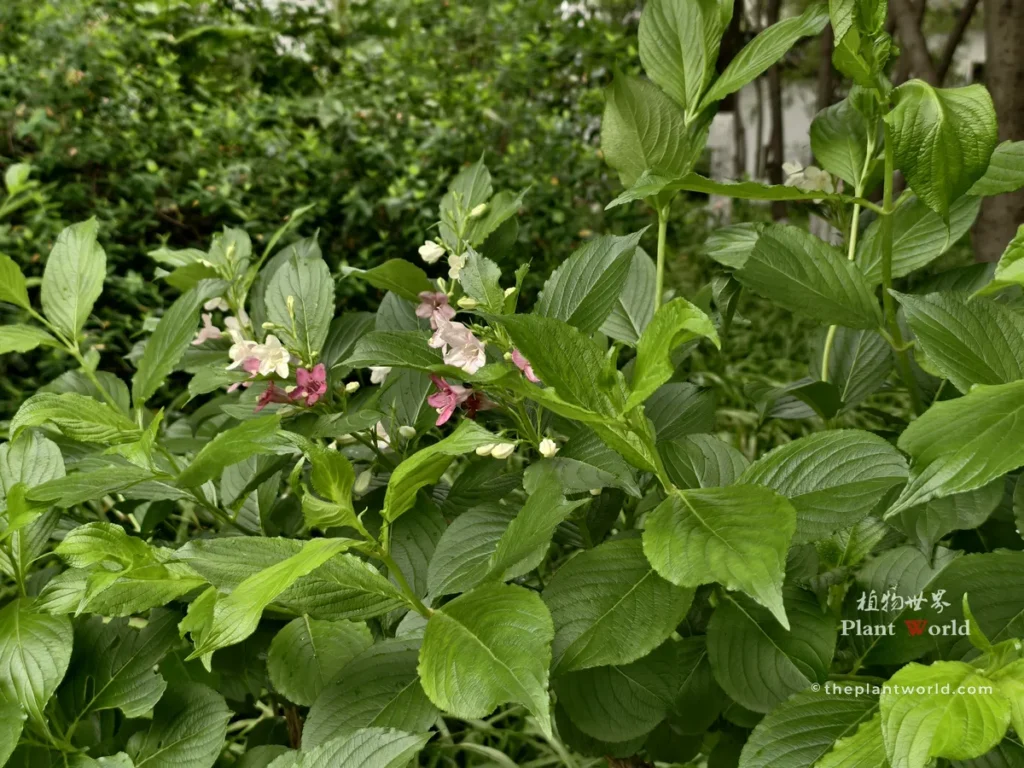
Landscaping Uses
Versatile and decorative, weigela bushes fit various garden designs:
- Dwarf/Compact Varieties: Work perfectly for container planting, pathway edging, and low informal hedges.
- Taller Cultivars: Excel in foundation plantings, mixed shrub borders, and mass landscape plantings.
- Foliage Varieties: Varieties with burgundy or variegated leaves add year-round color even when the shrubs are not in bloom. Many reblooming weigela selections deliver extended summer color comparable to Chinese crepe myrtles, bringing consistent interest from late spring well into the growing season.
Final Tips
Weigela is a truly low-effort, high-reward shrub. With full sun, well-drained soil, timely post-bloom pruning, and basic seasonal watering, it will reward gardeners with lush foliage and vibrant spring blooms every year. Its excellent hardiness and easy-care nature make it a staple shrub for beginner and experienced gardeners alike.
More from The Plant World:
- Chinese Wingnut: The Romantic “Ingot Tree” and Its Cultural Charm
- Plum Blossom Meaning: Symbolism & Cultural Significance
- The Hidden Meanings Behind Red Plum Blossoms
- Chinese Wisteria: History, Symbolism, and Identification
- Peach Blossoms in China: History, Culture, and Symbolism
- Chinese Crepe Myrtle: Guide to Origins & Symbolism
- Ginkgo Leaf Meaning: 5 Secrets of This Ancient Fossil
- Chinese Loquat Tree: Guide to Benefits & History
- Rose of Sharon Tree: Guide to Meaning & Care
- Hosta Plant Benefits: 5 Surprising Uses & Planting Guide
- Strawberry Begonia Care: How to Grow Saxifraga Stolonifera
Discover more from The Plant World
Subscribe to get the latest posts sent to your email.