
Introduction
If you wander through ancient Jiangnan gardens across Wuxi, Suzhou, and Hangzhou, one plant instantly catches the eye: Musa basjoo, widely known as the Hardy Banana or Chinese Banana.
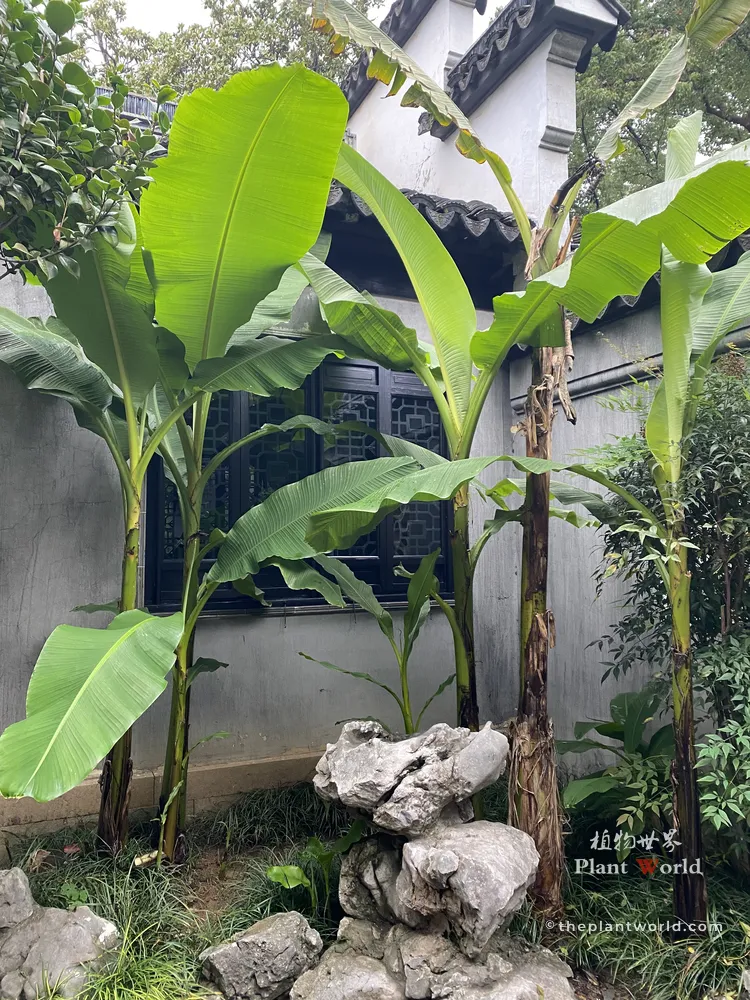
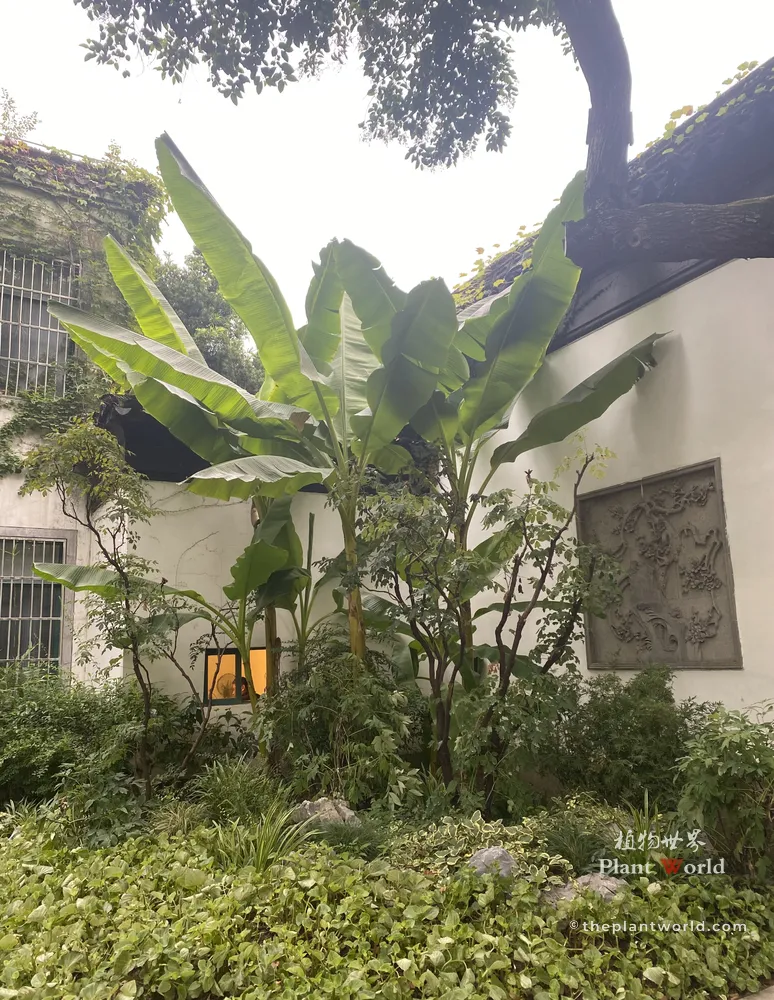
Planted quietly in courtyard corners, beside white plastered walls and dark grey tiled roofs, its enormous emerald leaves create unmatched oriental charm. I have paused countless times beside clumps of Musa basjoo in Wuxi’s public parks, drawn to its unrestrained, elegant silhouette. I adore its broad, vivid green foliage and calm, steady temperament. If I owned a private courtyard, I would definitely plant hardy banana beside my window. Within arm’s reach, the leaves frame every season.
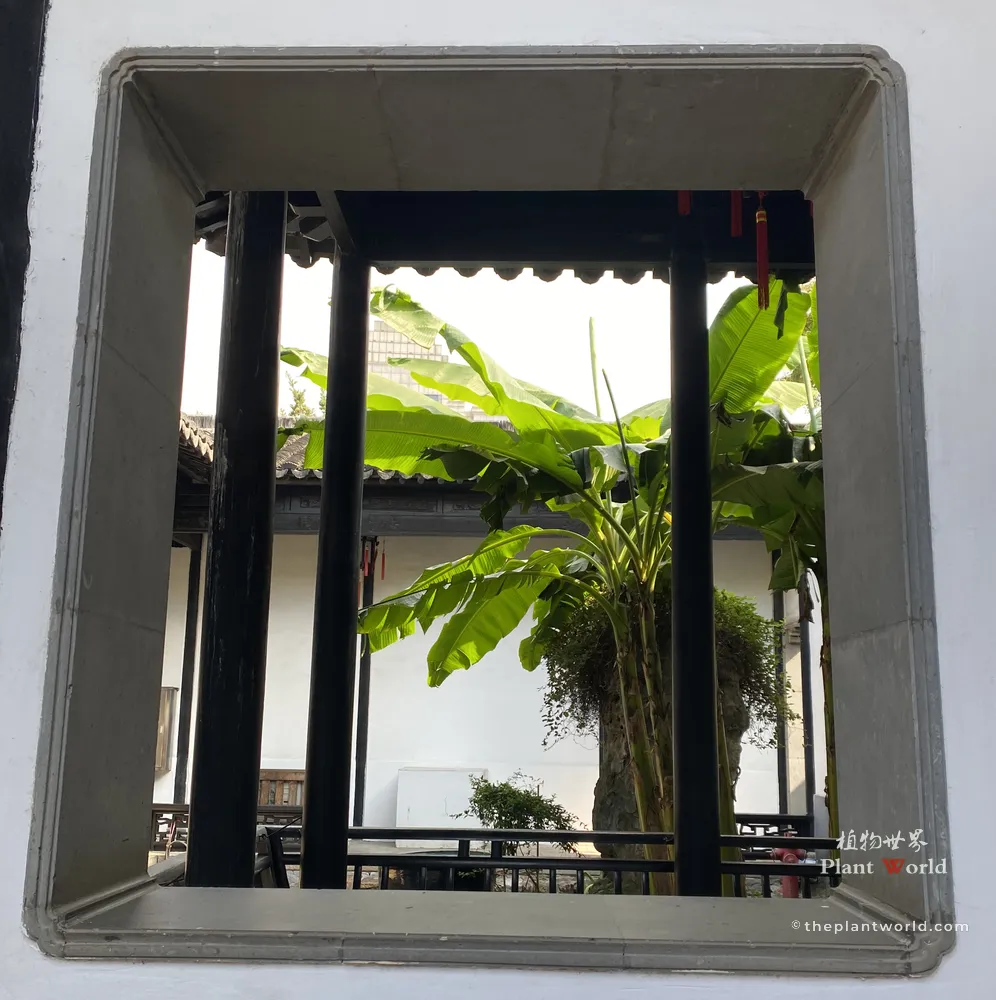
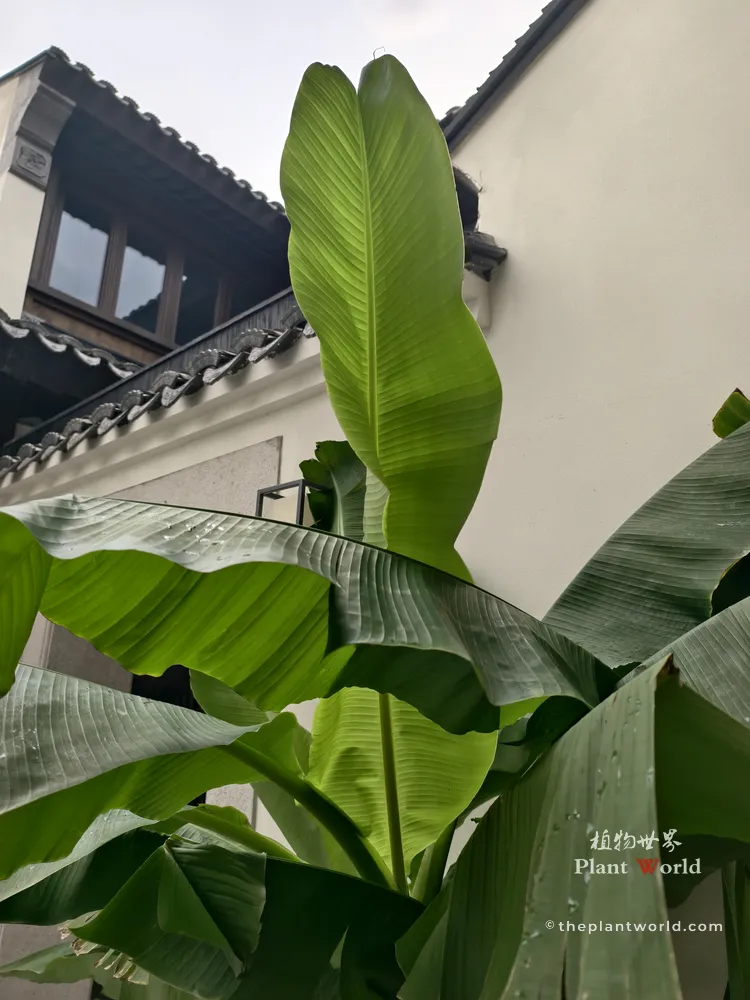
On sunny days, it casts soft shade. When wind rises, giant leaves sway and dance. When rain falls, you hear the famous poetic sound: rain beating upon banana leaves. These slow, gentle moments bring quiet joy to daily life. A window framed by Musa basjoo—known in Chinese culture as a “banana window”—creates peaceful tranquility amid busy modern life.
- Introduction
- Basic Plant Profile: What Is Musa basjoo?
- Cultivation Guide: How to Grow Musa basjoo
- Design Tips for Oriental Gardens
- Musa basjoo in Classical Chinese Gardens
- Cultural Symbolism & Poetry of Musa basjoo
- Flower, Fruit & Traditional Uses
- Musa basjoo in Chinese Art
- Final Conclusion
- References
- Disclaimer
- More from The Plant World:
Basic Plant Profile: What Is Musa basjoo?
- Scientific Name: Musa basjoo
- Common Names: Hardy Banana, Chinese Banana, Japanese Fibre Banana
It is a perennial herb within the banana family. An ancient Chinese botanical text, Pi Ya, once described its distinctive growth habit: “As one leaf unfurls, another turns scorched‑brown and withers; hence the name jiao, alluding to withering.” Unlike many plants that shed all foliage seasonally, hardy banana continuously pushes out fresh new leaves, while older leaves gradually turn dry and fade away.
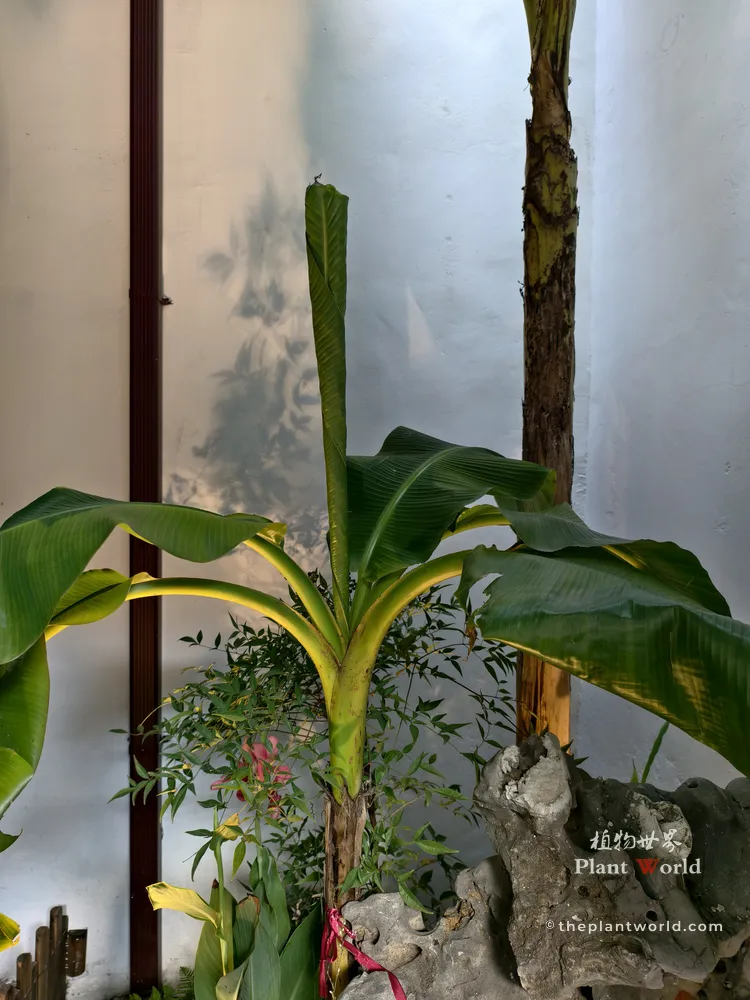
Though it looks like a small tree, Musa basjoo has no solid wooden trunk. The upright pseudostem is built from layered leaf sheaths. It balances wild, bold vigour with delicate grace, making it timeless for landscape design.
Many Western gardeners misunderstand its origin. Overseas nurseries widely market it under the common name “Japanese Banana”. Modern botanical research indicates wild populations of Musa basjoo are native to subtropical southern China, and the species was introduced to Japan in ancient times. Early‑era European botanists gathered cultivated specimens in Japan, which gave rise to this long‑standing misnomer.
Cultivation Guide: How to Grow Musa basjoo
Hardiness
- USDA Hardiness Zones: 5–10.
- It is famous as the most cold-tolerant banana plant in the world. Its underground rhizomes can survive freezing winters if properly mulched, making it extremely popular for temperate gardens across Europe and North America.
Light & Position
- Requirements: Prefers full sun but tolerates partial shade.
- Authentic Oriental Styling: Plant it beside walls, windows, ponds, or rock features. Musa basjoo shines as framing foliage for windows—daylight filters through the large translucent leaves to create shifting shadow patterns on plain plaster walls.
Soil & Water
- Thrives in rich, moist, well-draining loamy soil. Keep the soil consistently damp during the growing season; avoid both severe drought and waterlogged roots.
Design Tips for Oriental Gardens
Traditional Chinese landscape designers perfected Musa basjoo pairing combinations to create distinct emotional resonance:
- Banana + White Wall: Leaves cast beautiful, living shadow paintings on plain plaster after sunset under garden lights.
- Banana + Bamboo: Culturally named “The Two Pure Ones”, representing noble, quiet virtue and resilience. To expand this classical look with larger canopy trees, designers often paired them with the majestic Chinese Wingnut along courtyard boundaries.
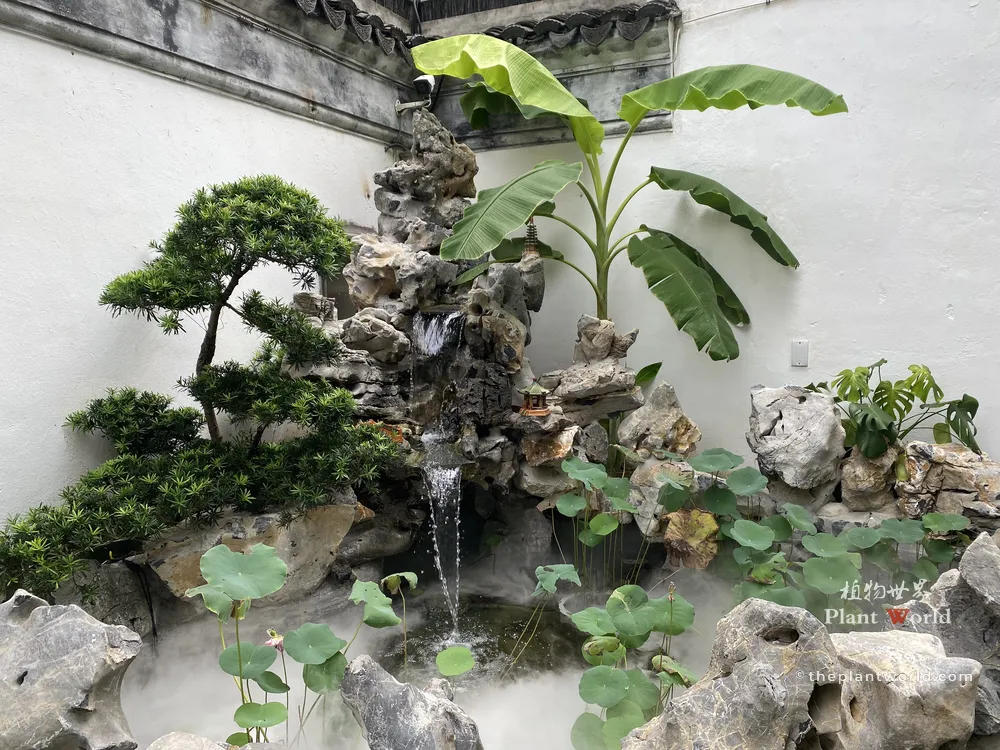
- Banana + Taihu Limestone Rock: The soft, sweeping textures of the foliage perfectly balance the hard, jagged, and heavily weathered stone textures.
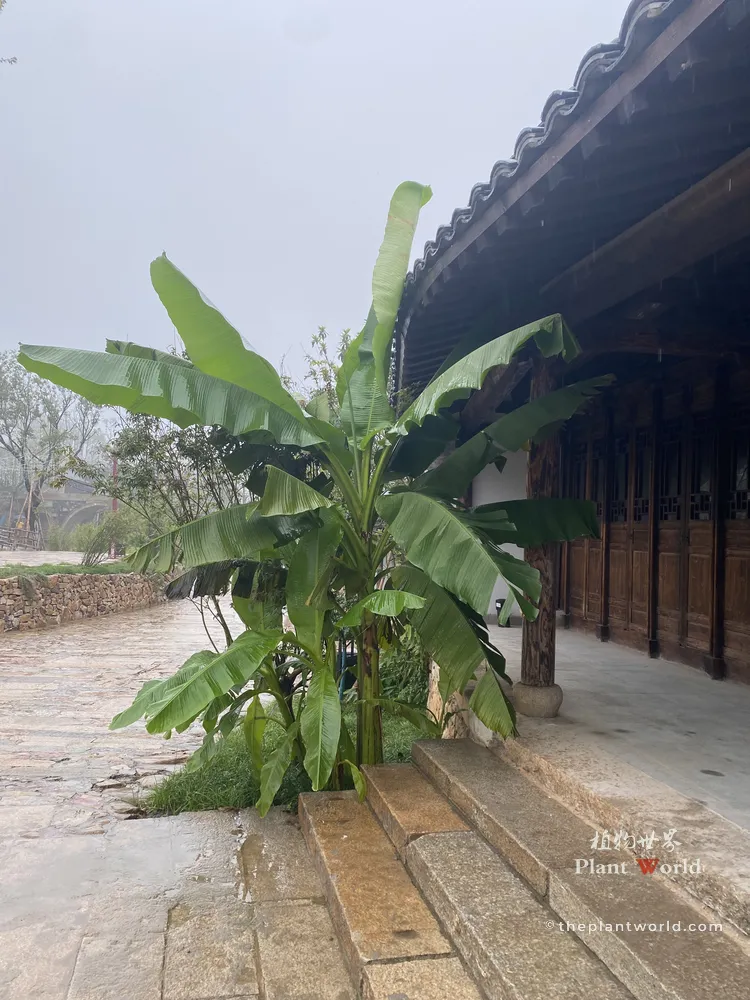
- Beside Pavilions and Windows: Position them strategically under roof eaves to enjoy the iconic sensory sound of summer rain on banana leaves.
Musa basjoo in Classical Chinese Gardens
The hardy banana stands as one of the indispensable Chinese Garden Plants, holding an irreplaceable position in the aesthetic system of classical Jiangnan gardens. Clumps of Musa basjoo can be found in numerous world‑heritage‑listed historic gardens.
- The Humble Administrator’s Garden (Suzhou): Features the Tingyu Xuan (Listening-to-Rain Pavilion), built specially to enjoy the acoustics of rain falling on banana foliage.
- Other Iconic Locations: Wangshi Garden, Canglang Pavilion, Wuxi’s Jichang Garden, Baojie Mountain Forest Park, and Guanshe Manor.
Even old, modest residential courtyards in Jiangnan often host clumps of Musa basjoo. Much like the deeply rooted cultural traditions of plum blossom meaning in East Asian art, the banana plant symbolizes the scholar’s inner peace. In the famous Chinese novel Dream of the Red Chamber, the character Tanchun called herself “Guest Beneath the Banana”, stating: “The garden has both parasol trees and banana plants, and I love banana most.”
Cultural Symbolism & Poetry of Musa basjoo
The banana plant appears in more than 800 surviving poems written during the Song and Yuan dynasties alone, carrying layered, contrasting symbolic meanings within Chinese literature.
1. Leisure, Peace & Summer Serenity
As the poet Yang Wanli wrote: “The banana spreads green shade across the window screen.” Sitting beneath banana leaves was the ultimate escape from summer heat. Chinese scholars named the canopy “Green Heaven”—looking out the window, the endless green leaves felt like a living sky, providing cool shade through sweltering summers.
2. Nostalgia, Longing & Sorrow
Conversely, the banana is also an iconic metaphor for longing and heartache. The continuous growth cycle of the leaves—where one unfurls as another emerges—mirrored the endless nature of human emotion. Much like the poetic romanticism associated with peach blossoms in the spring, the summer banana holds deep sentiments.
The celebrated female poet Li Qingzhao wrote during a period of intense grief:
“Who planted banana beside the window? / Its shadow fills the courtyard. / Leaf after leaf unfurls, each one holding endless tender feeling.”
3. Buddhist Symbolism: The Illusory Self
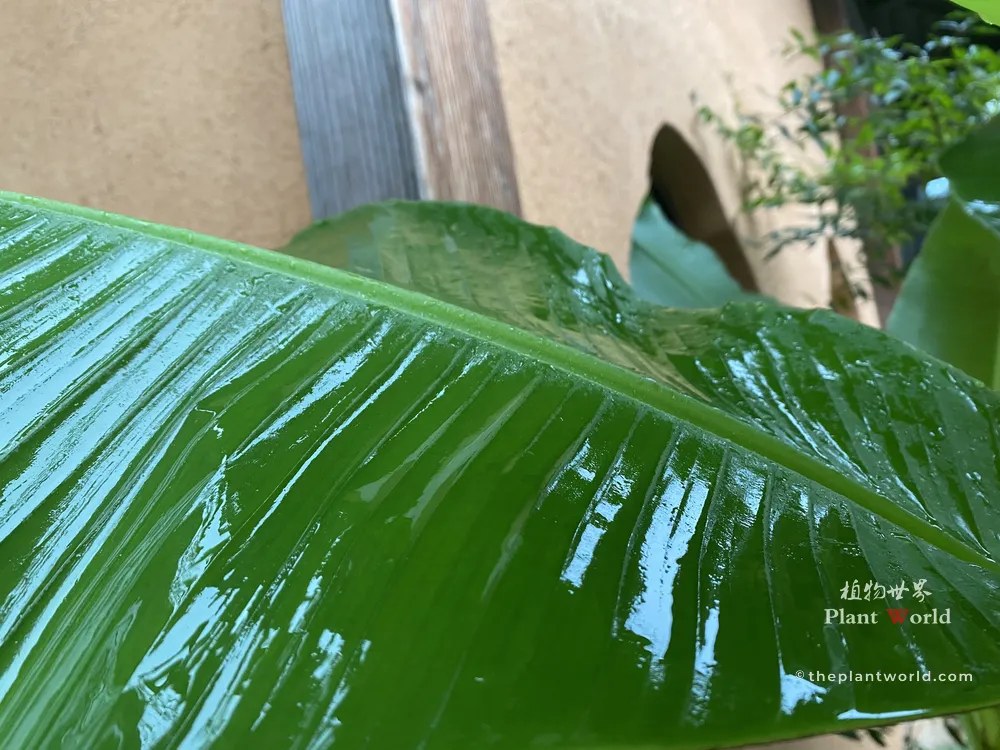
The pseudostem of Musa basjoo is hollow, formed only by overlapping leaf layers with no solid wooden core. Because of this, ancient Buddhist scriptures frequently use the banana plant as a metaphor for human existence: “The body is like a banana plant, without solid permanence.” This illustrates the concept of emptiness—that all living things are beautiful, temporary combinations.
Flower, Fruit & Traditional Uses
Most gardeners admire only the foliage and overlook its striking tropical blooms. In mid-summer, huge pendulous flower spikes emerge from the centre of the leaf clump. Outer bracts are deep maroon or pale yellow-green, layered like heavy armour, protecting small pale cream flowers inside.
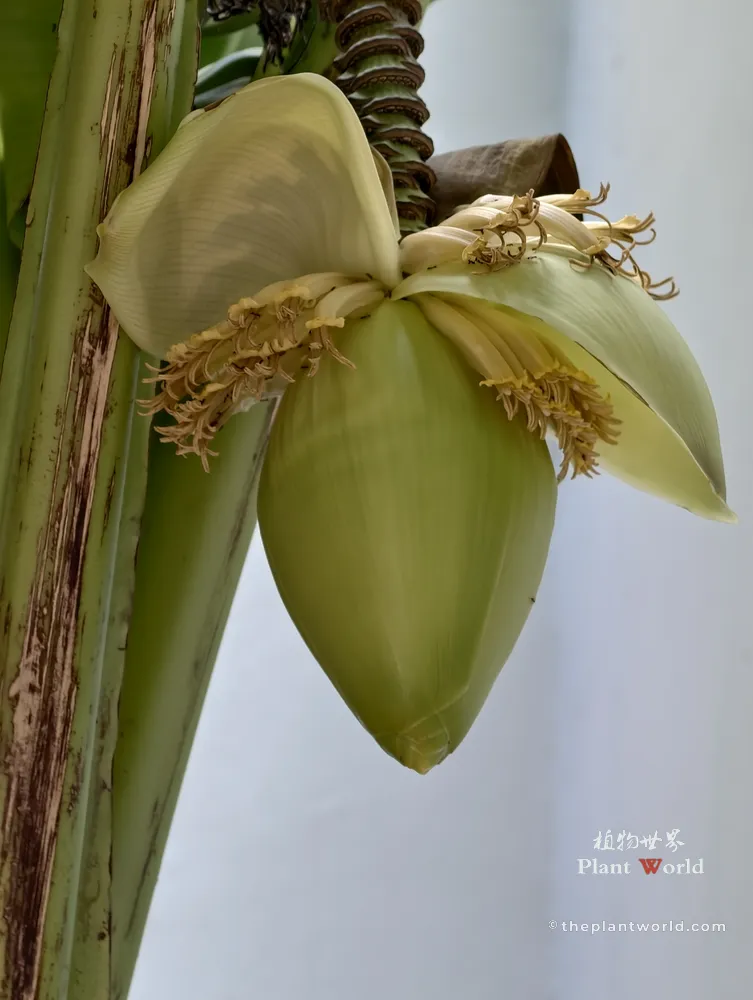
After flowering, small banana-shaped fruits develop.
⚠️ Important Note: Musa basjoo fruit contains numerous hard seeds, has bitter, astringent flesh, and is not eaten fresh or raw. It is strictly an ornamental plant, not an edible fruit banana.
However, other parts of the plant hold rich traditional folk value:
- Edible Banana Blossom: The large inflorescence is widely used as a culinary ingredient across southwest China and Southeast Asia. After blanching to remove bitter sap, the flower is stir-fried or added to soups, serving as a staple in Dai ethnic minority cuisine.
- Traditional Folk Culture: Recorded historically within the Compendium of Materia Medica, various parts of the plant were used in rural communities. In regional folk culture, it was often incorporated into nourishing stews to promote general relaxation and well-being.
- Fibre Craft: The leaf sheath fibre was historically harvested in ancient southern China to weave specialized cloth, durable ropes, and handmade artisanal paper.
Musa basjoo in Chinese Art
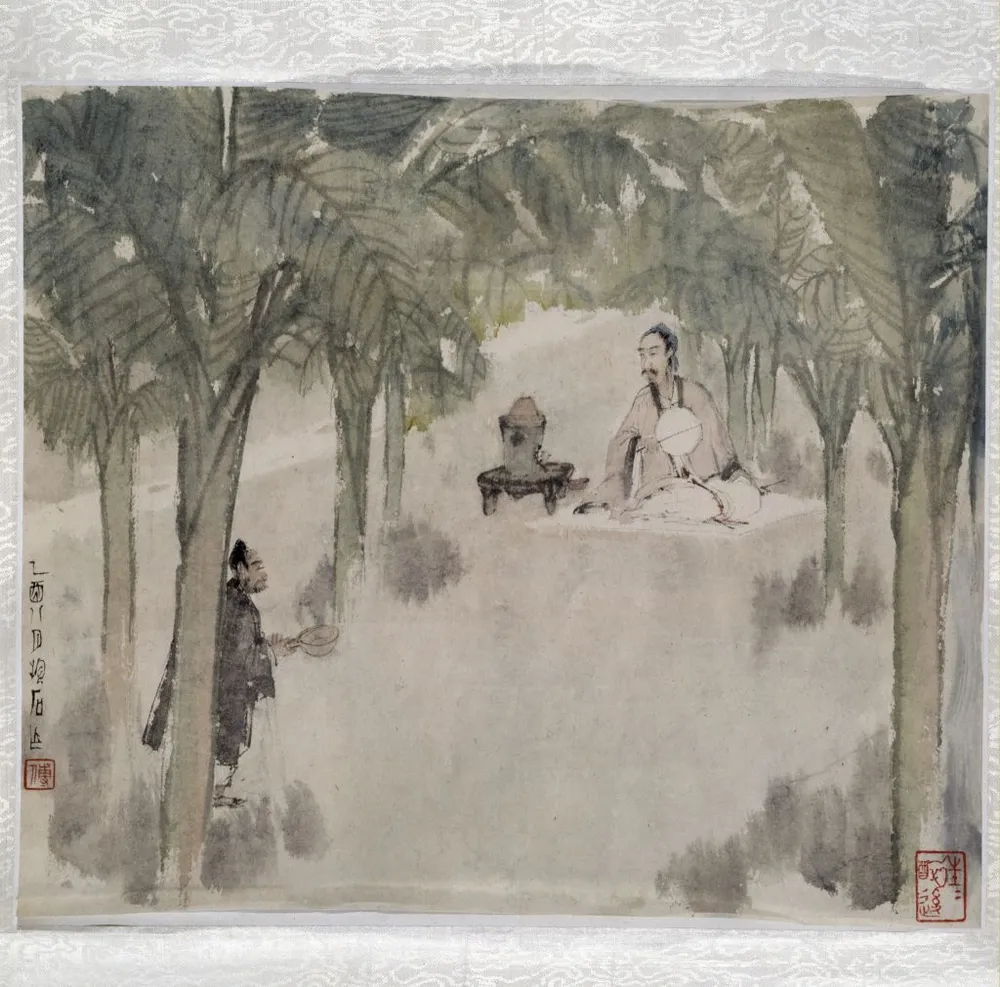
The banana has remained a classic subject for Chinese ink painting for over a thousand years. The early Tang dynasty master Wang Wei pioneered banana motifs within landscape painting, famously shocking traditionalists by painting a green banana tree in a snowy landscape to symbolize spiritual transcendence over physical seasons. Later, the Ming dynasty artist Xu Wei created bold, unrestrained splash-ink (xieyi) banana works. Generations of painters loved its contrast of soft, sweeping leaves against jagged rocks and rigid architecture.
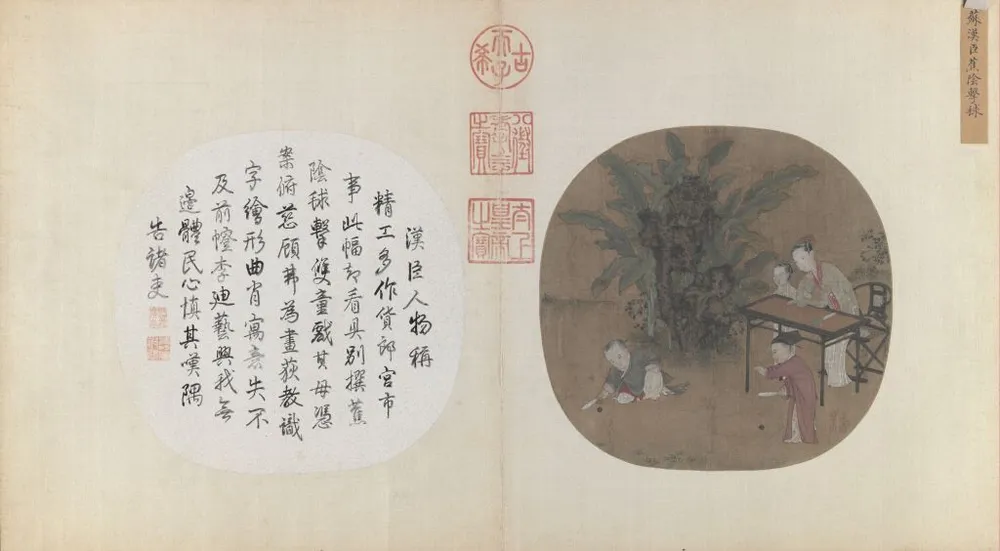
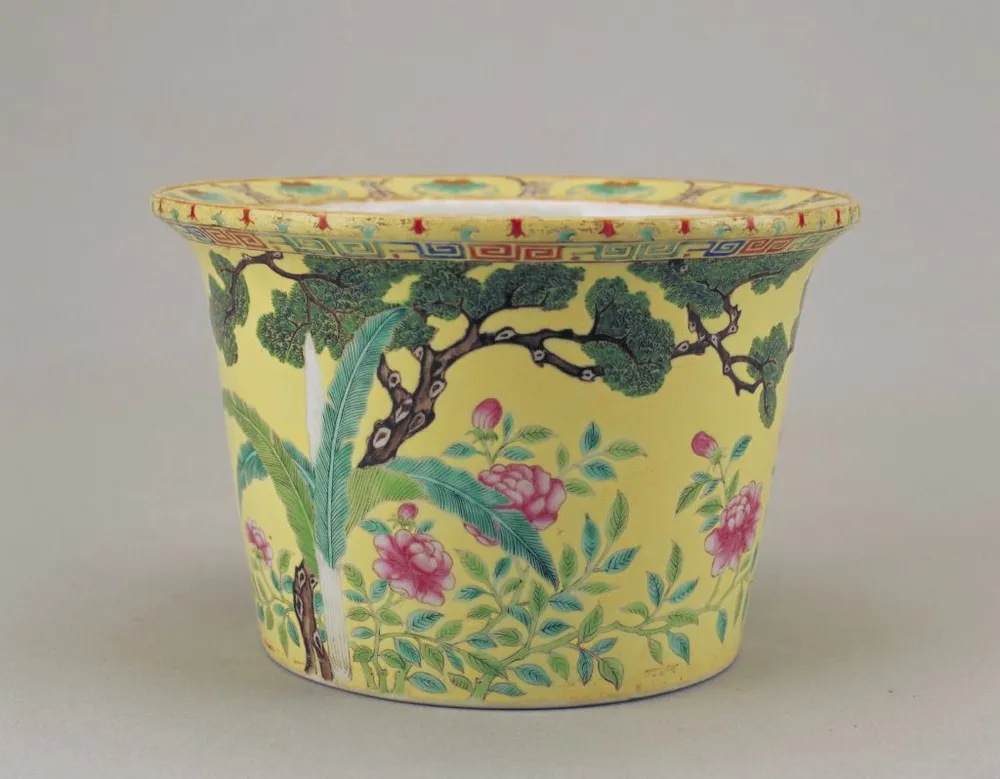
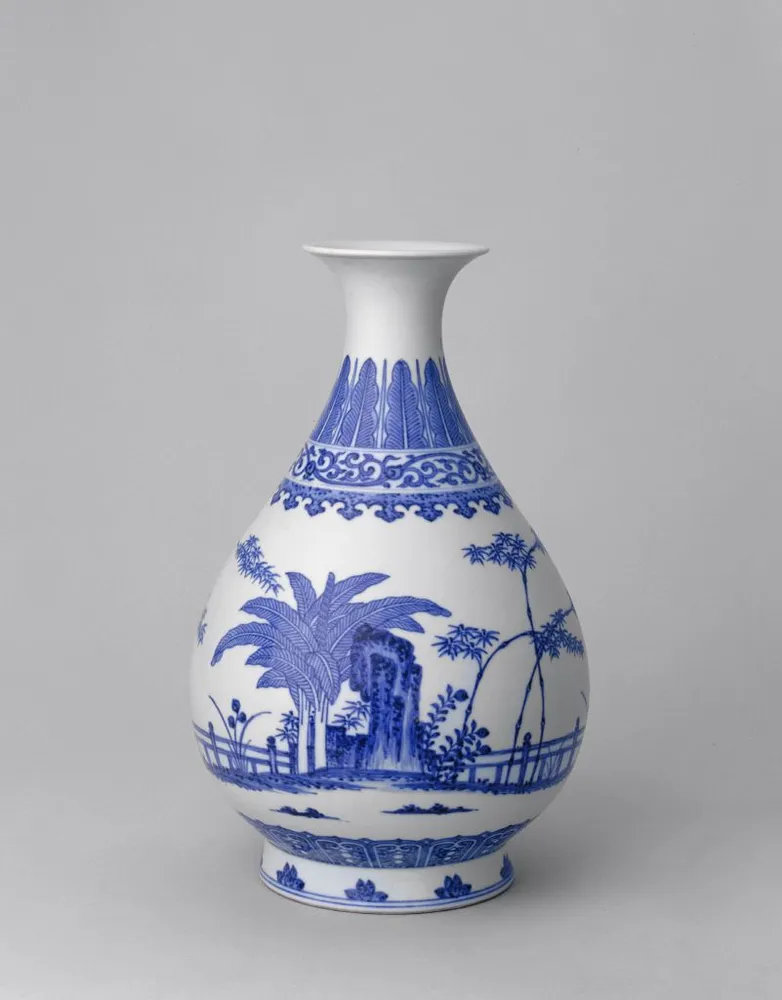
Banana imagery was not confined to poetry and scroll‑paintings. It also appeared widely on imperial porcelain, adorning vases and planters as a beloved garden‑symbol motif in Qing‑dynasty court art.
Final Conclusion
Musa basjoo, the Hardy Chinese Banana, is far more than a cold-resistant tropical foliage plant for Western gardens. It carries thousands of years of Jiangnan garden aesthetics, endless poetic heritage, philosophical depth, and multi-purpose traditional folk uses.
Whether you want to build an oriental courtyard, attract seasonal attention with dramatic large foliage, or explore plants with profound eastern cultural stories, Musa basjoo is an extraordinary choice. When you plant it beside your window, you gain more than greenery. You bring home the timeless scene of rain falling on banana leaves—the quiet poetic charm cherished by Chinese scholars for centuries.
References
- Flora of China (English Edition): Musa basjoo Botanical Profile and Taxonomy — Collaborative archive by the Missouri Botanical Garden and Harvard University Herbaria.
- Plants of the World Online (POWO): Musa basjoo Siebold & Zucc. ex Iinuma Distribution Data — Hosted by the Royal Botanic Gardens, Kew.
- Royal Horticultural Society (RHS): Musa basjoo (Hardy Banana) Cultivation & Care Guide — The premier British authority on temperate zone gardening.
- USDA Plant Hardiness Database: Perennial Root Hardiness and Zone Mapping — Standard reference for North American plant adaptation.
- The Compendium of Materia Medica (Li Shizhen) & Dream of the Red Chamber — Historical and Cultural Literary References.
- The Palace Museum (Beijing): Painting and porcelain artifact archives for banana‑motif traditional Chinese artworks — Open‑access cultural heritage resource.
Disclaimer
Traditional culinary, industrial, and ethnobotanical uses documented here are shared strictly as historical and cultural folk records. This article serves botanical reference purposes only. Do not ingest wild plant parts or utilize raw materials without professional horticultural or herbal guidance.
More from The Plant World:
- Chinese Wingnut: The Romantic “Ingot Tree” and Its Cultural Charm
- Plum Blossom Meaning: Symbolism & Cultural Significance
- The Hidden Meanings Behind Red Plum Blossoms
- Chinese Wisteria: History, Symbolism, and Identification
- Peach Blossoms in China: History, Culture, and Symbolism
- Chinese Crepe Myrtle: Guide to Origins & Symbolism
- Ginkgo Leaf Meaning: 5 Secrets of This Ancient Fossil
- Chinese Loquat Tree: Guide to Benefits & History
- Rose of Sharon Tree: Guide to Meaning & Care
- Hosta Plant Benefits: 5 Surprising Uses & Planting Guide
- Strawberry Begonia Care: How to Grow Saxifraga Stolonifera
Discover more from The Plant World
Subscribe to get the latest posts sent to your email.