
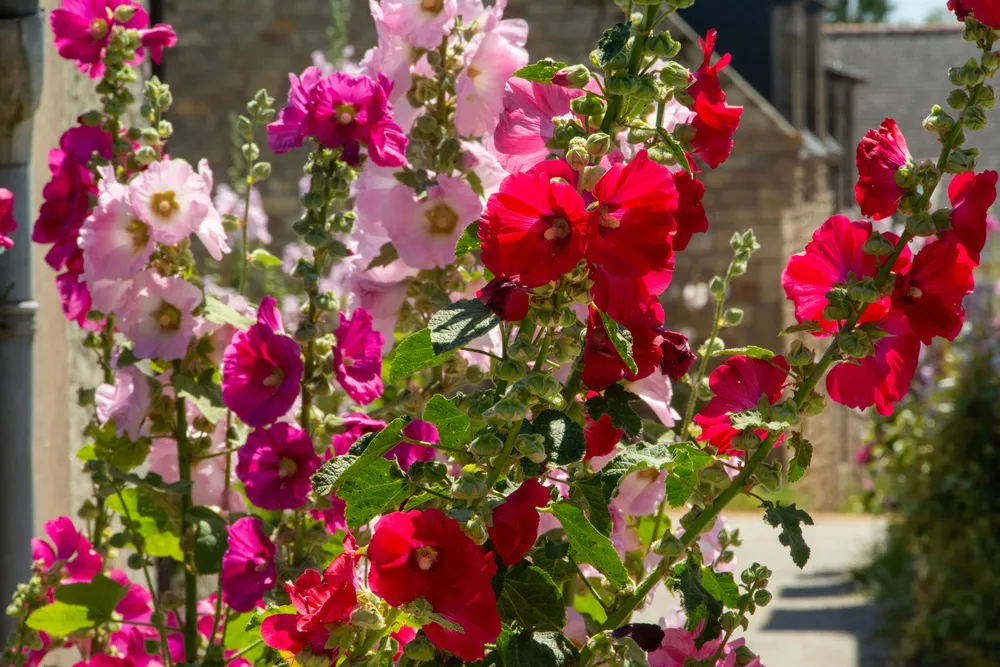
Tall, stately, and full of old-world charm, hollyhocks (Alcea rosea) are classic cottage garden perennials that grace rural fences, winding paths, and historic landscapes worldwide. Belonging to the mallow family, they share botanical ties with beloved garden blooms such as the Rose of Sharon and Confederate Rose.
Most gardeners know them simply as tall-blooming summer flowers with soft, ruffled petals in blush pink, magenta, cream, and deep burgundy. Yet behind their humble, nostalgic appearance lie layered spiritual meanings and surprising practical benefits rarely discussed in modern gardening guides.
More than mere ornamental blooms, hollyhocks carry thousands of years of cross-cultural symbolism, folk wisdom, and mild medicinal value honored in both Eastern and Western botanical traditions.
- The Hidden Symbolic Meaning of Hollyhock Flowers
- Color-Specific Hollyhock Symbolism
- Surprising Traditional & Practical Benefits of Hollyhock
- The Dragon Boat Festival Flower: A Talisman in Chinese Art
- Cultural Legacy: A Flower Bridging East and West
- Final Thoughts
- Reference Sources
- More from The Plant World:
The Hidden Symbolic Meaning of Hollyhock Flowers
Unlike mainstream symbolic flowers such as roses and lilies, hollyhocks hold subtle yet powerful meanings that remain underrated in modern floriography. Their upright growing habit and exceptional garden hardiness shape their core spiritual and cultural identity, establishing them as a quiet symbol of inner strength and steady growth.
1. Ambition, Growth, and Reaching New Heights
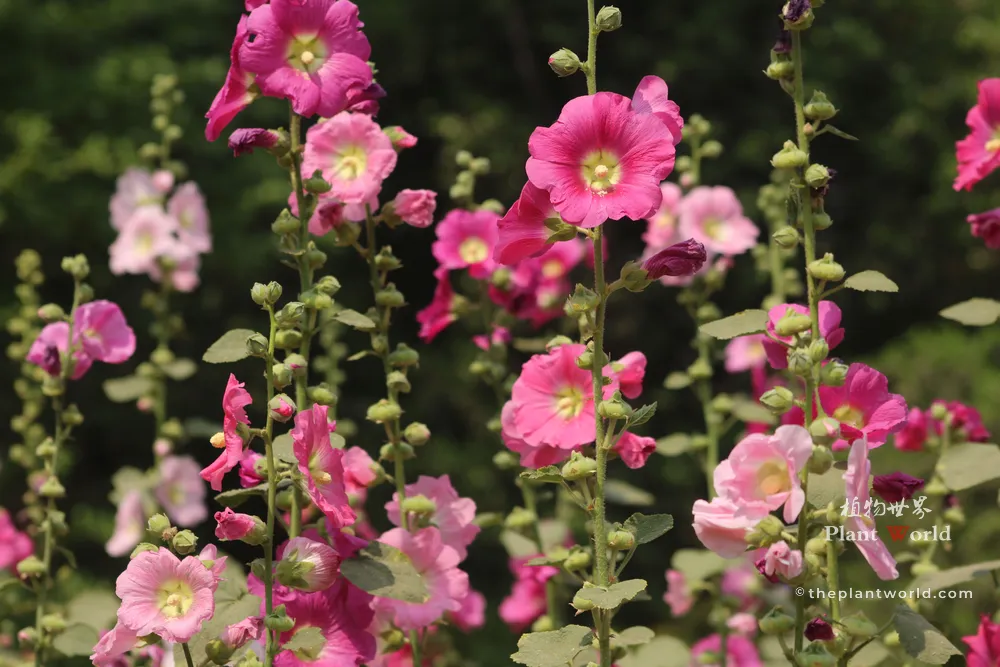
Hollyhocks grow tall, straight, and unwavering, rising above shorter garden foliage to bloom fully under sunlight. This distinctive upward-growing trait has long symbolized ambition, progress, and personal growth. In Victorian flower language, hollyhocks stood for bold aspirations, courage, and consistent dedication to one’s goals. They perfectly represent steady, graceful advancement—thriving slowly, standing firm, and blooming vibrantly even in plain, ordinary environments.
2. Resilience and Quiet Strength
Though their delicate petals look fragile, hollyhocks are extremely tough and adaptable perennials. They thrive in poor soil, withstand intense summer heat, tolerate drought, and return year after year with minimal care. This outstanding hardiness gives the flower its profound hidden meaning: perseverance, fortitude, and quiet resilience. Hollyhocks illustrate a timeless truth: true beauty requires no pampering, and remarkable strength often lies within gentle, unassuming forms.
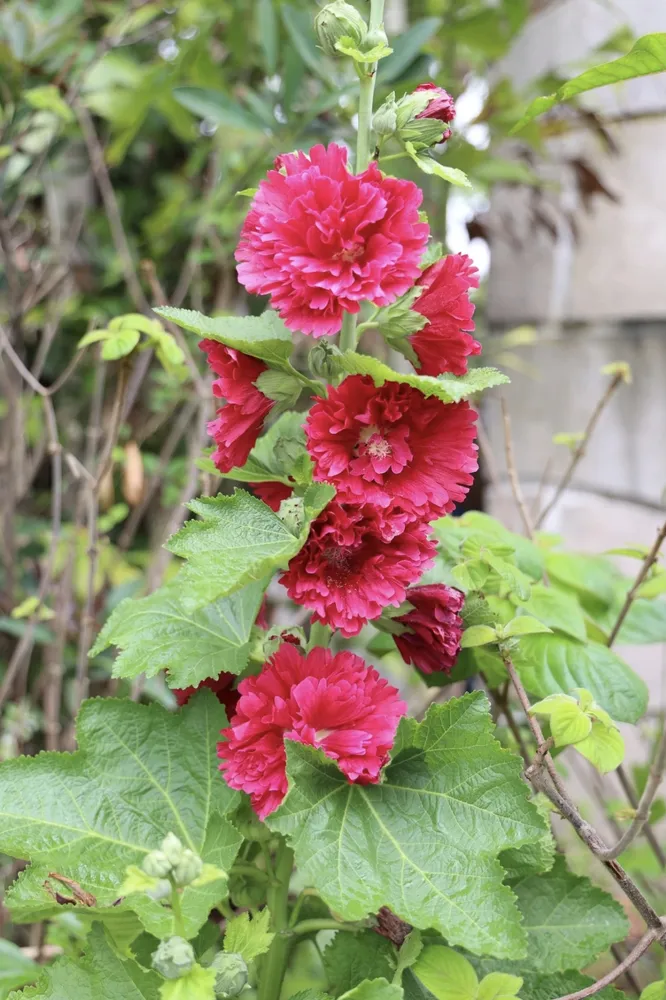
3. Protection, Safety, and Home Blessings
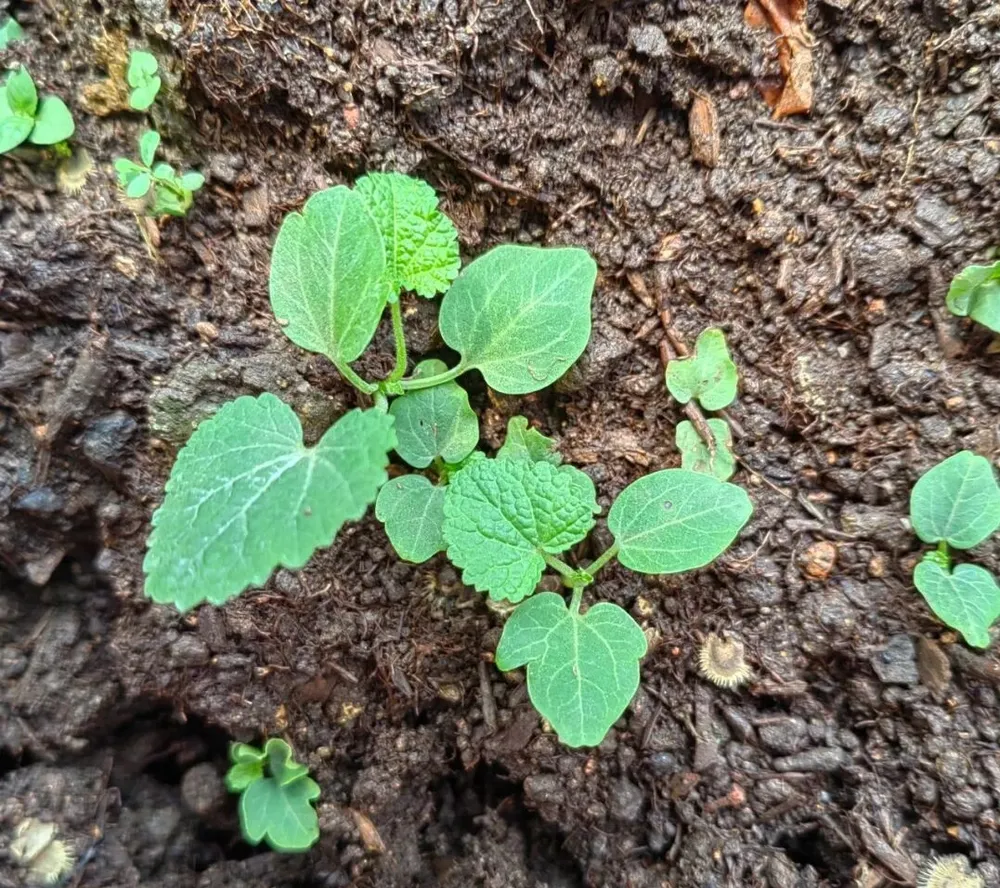
For centuries, gardeners and homeowners planted hollyhocks along fences, gateways, and cottage entrances for both visual appeal and spiritual protection. Their tall, dense upright growth forms a soft natural barrier, believed in folk tradition to shield homes from negative energy and external harm. As a result, hollyhocks have come to symbolize domestic peace, safety, and household blessings, earning their reputation as a comforting, sanctuary-style garden flower.
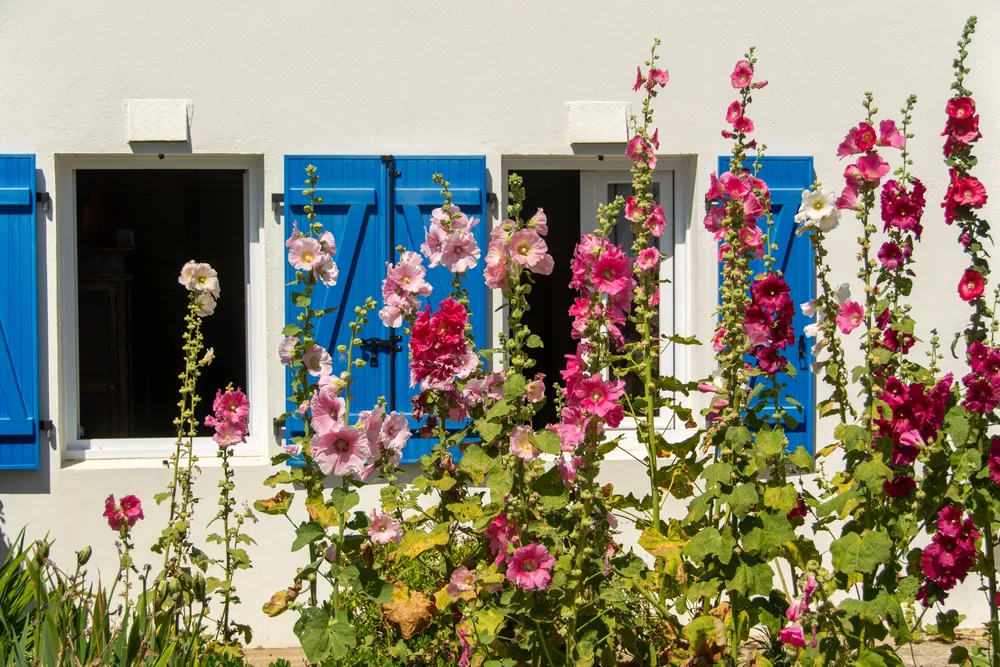
4. Fertility and Abundance
Producing abundant layered blooms and flowering reliably every season, hollyhocks have long symbolized fertility, abundance, and prosperous growth in both European and Asian folk cultures. They embody thriving life, generous harvests, and the steady accumulation of joy and fortune in daily life.
Color-Specific Hollyhock Symbolism
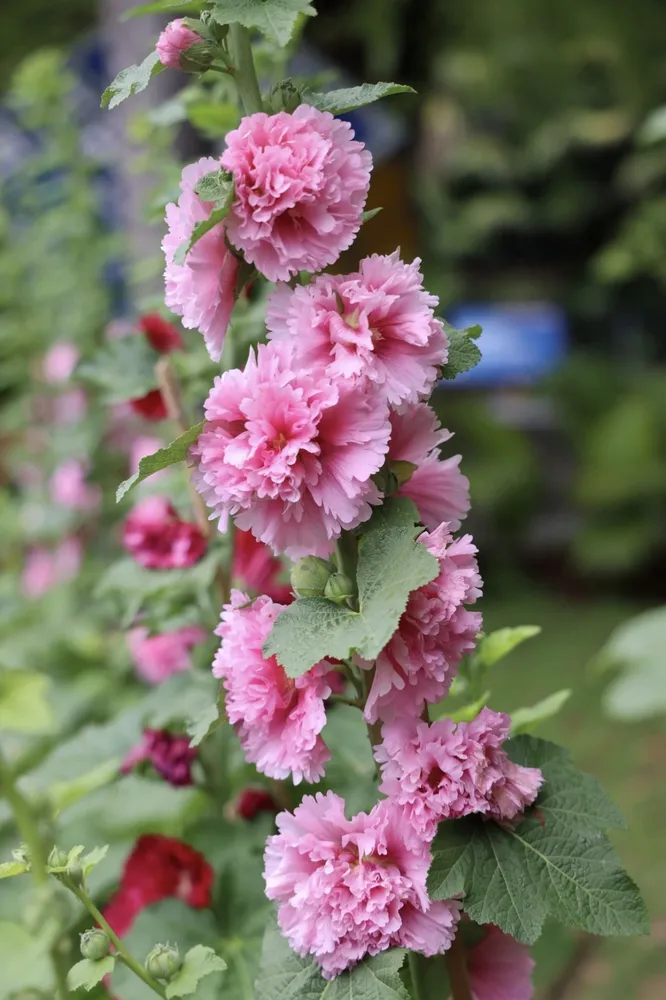
Each hollyhock hue carries unique symbolic nuances, adding rich depth to the flower’s overall spiritual connotation:
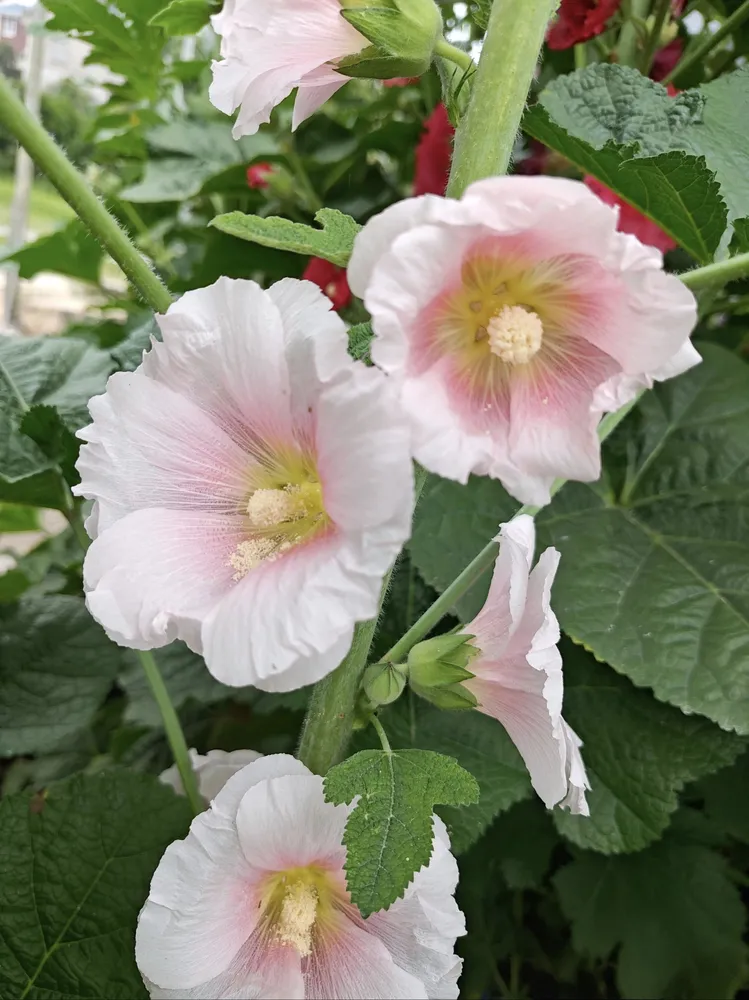
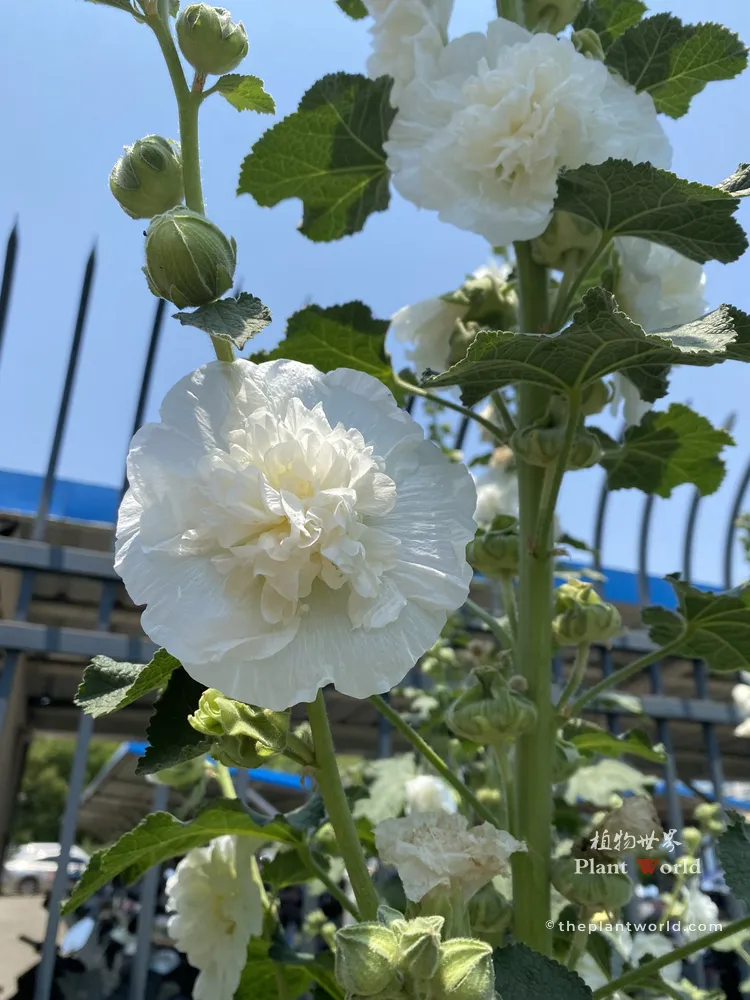
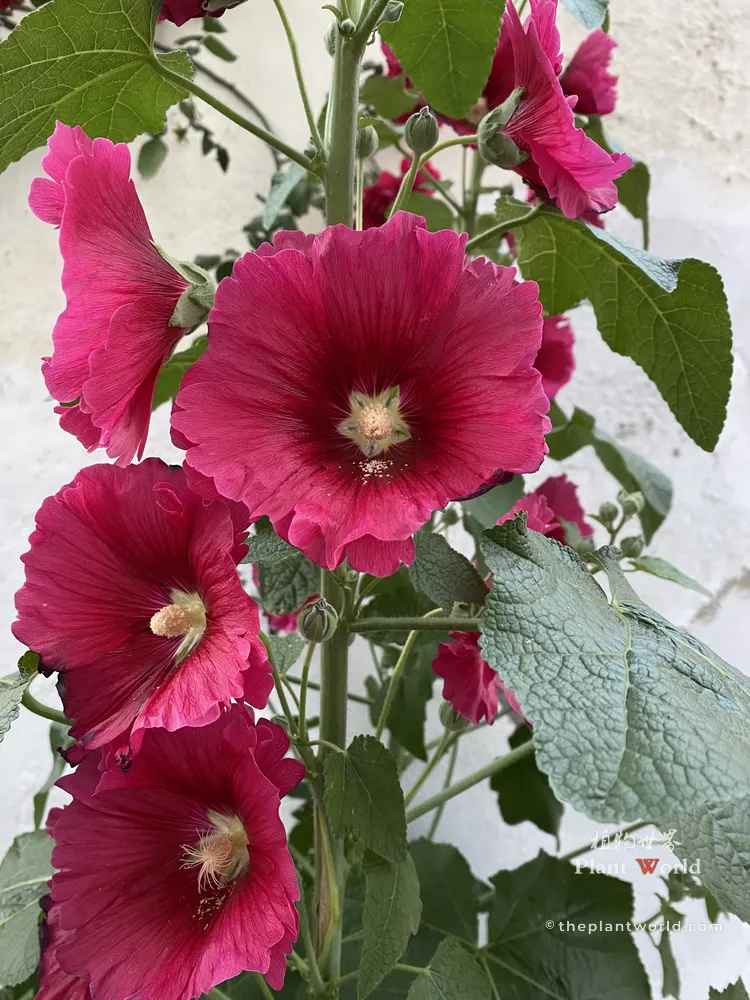
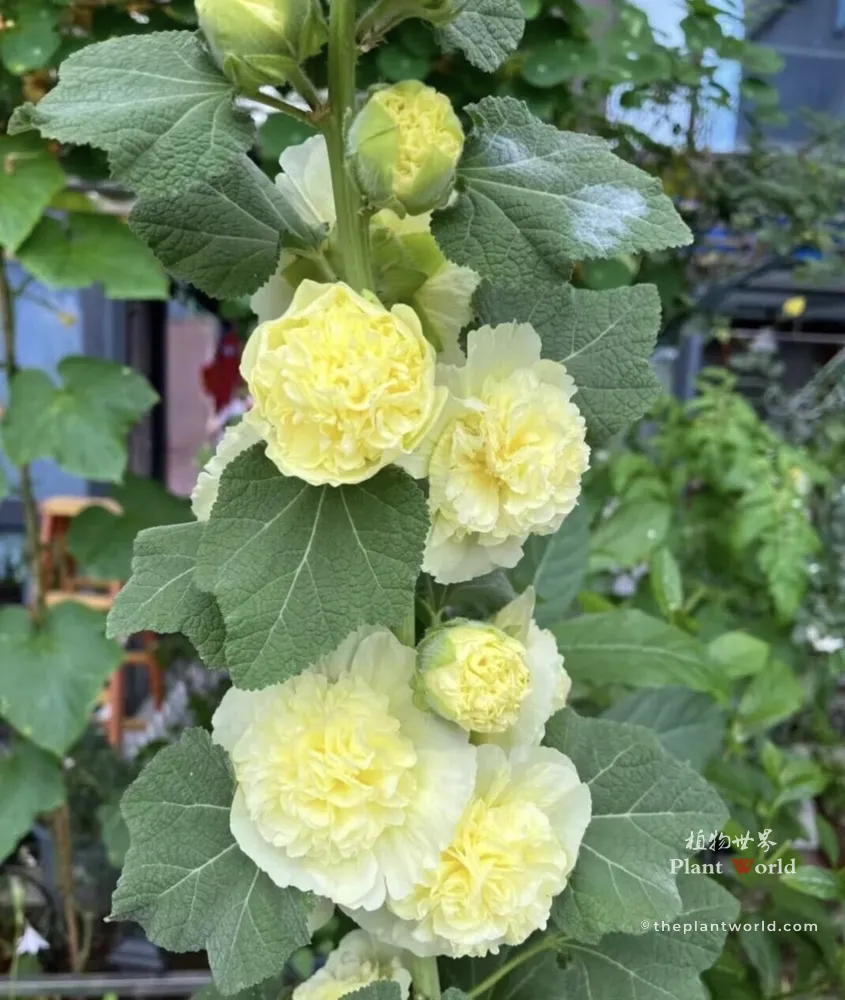
- Pink Hollyhock: Gentle love, soft gratitude, and warm domestic happiness.
- White Hollyhock: Purity, spiritual peace, and innocent new beginnings.
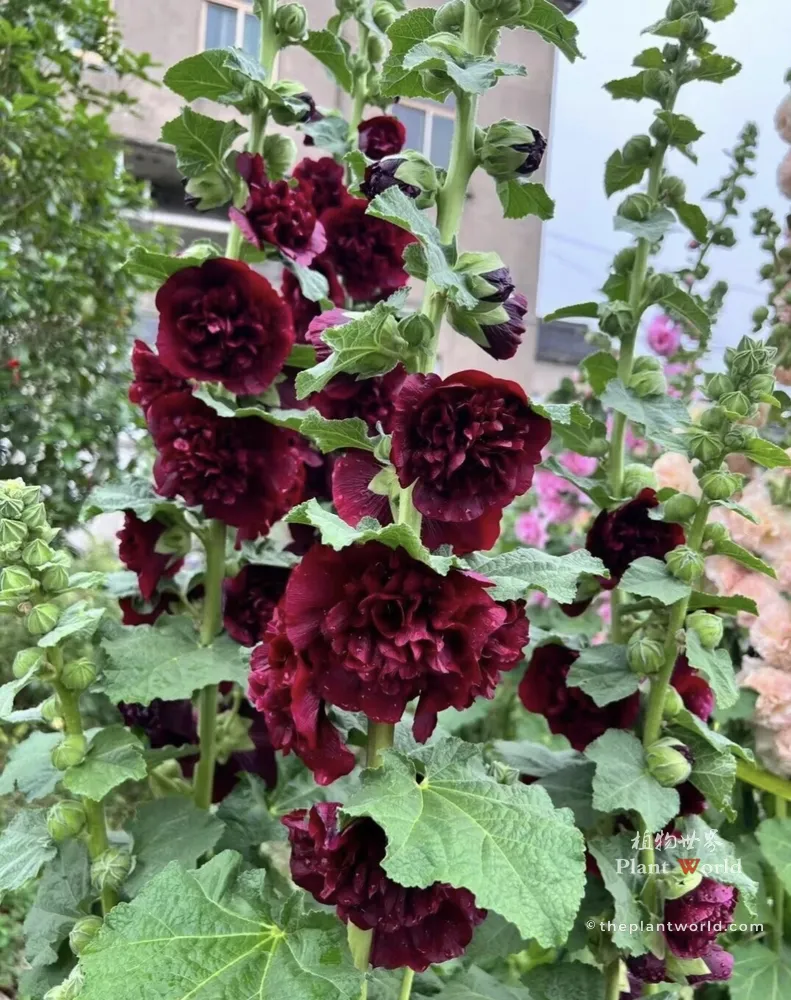
- Red & Burgundy Hollyhock: Bold ambition, courage, and passionate perseverance.
- Yellow & Cream Hollyhock: Joy, abundance, and gentle optimism.
Surprising Traditional & Practical Benefits of Hollyhock
Beyond their profound symbolic value, hollyhocks are ancient medicinal herbs renowned for their soothing, restorative properties. Every part of the plant—petals, leaves, and roots—contains rich natural mucilage, a gel-like compound that delivers calming, moisturizing, and protective benefits for the human body and skin.
1. Natural Soothing Herbal Remedy
Thanks to their high mucilage content, hollyhocks serve as classic demulcent herbs utilized in both European folk medicine and traditional Chinese herbal practices. Mild infusions made from hollyhock petals and leaves effectively soothe sore throats, dry coughs, and inflamed respiratory tissues. They also support digestive health by coating and protecting the intestinal lining, offering gentle, natural relief from everyday gastrointestinal discomfort.
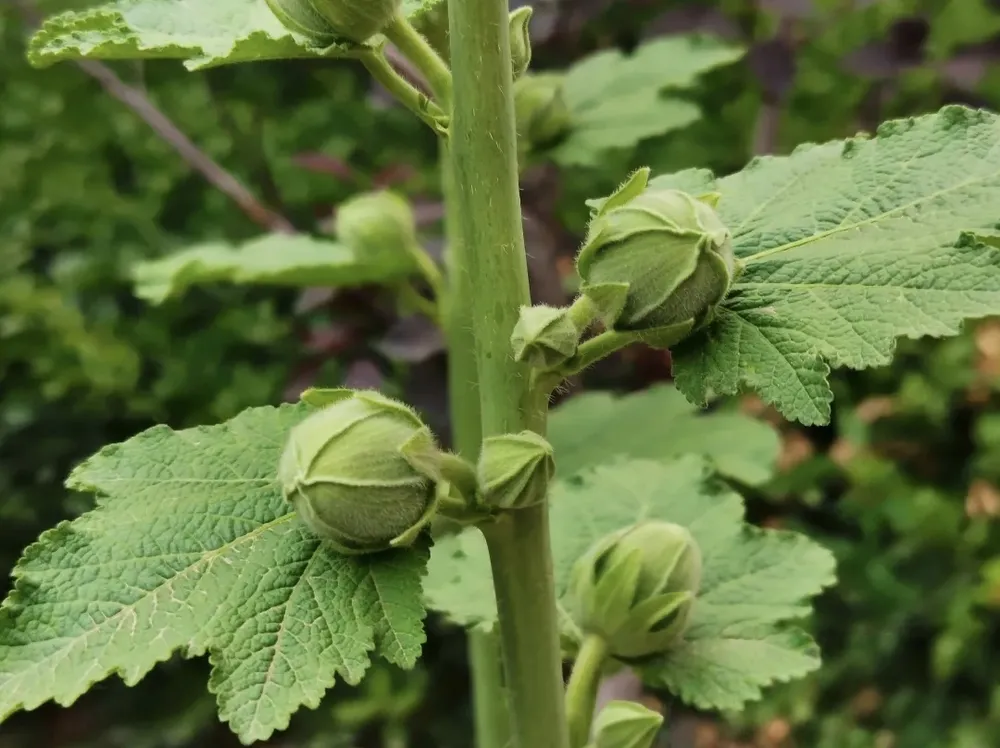
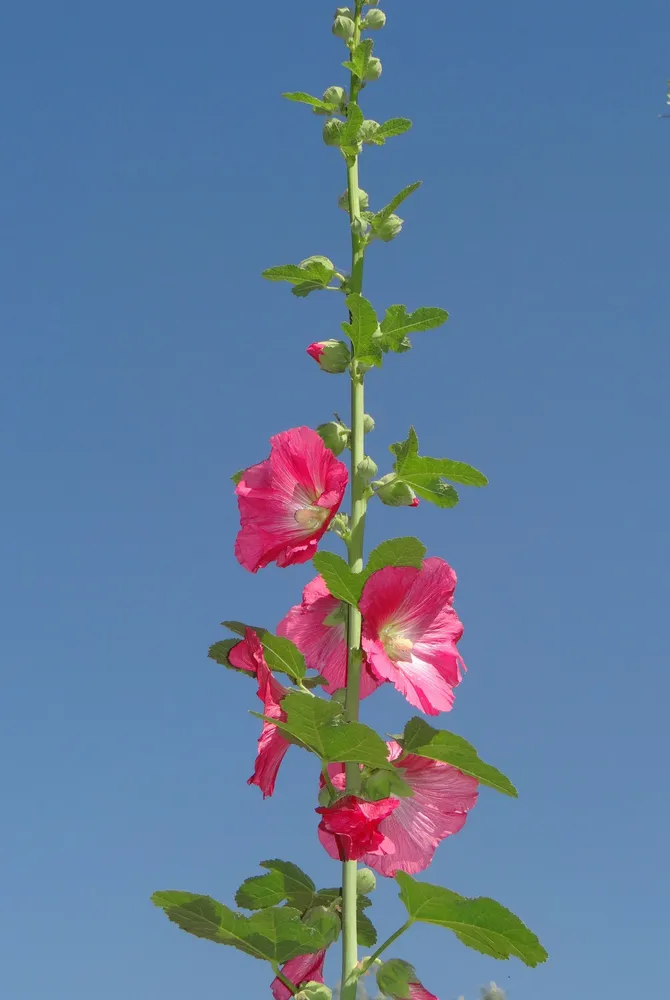
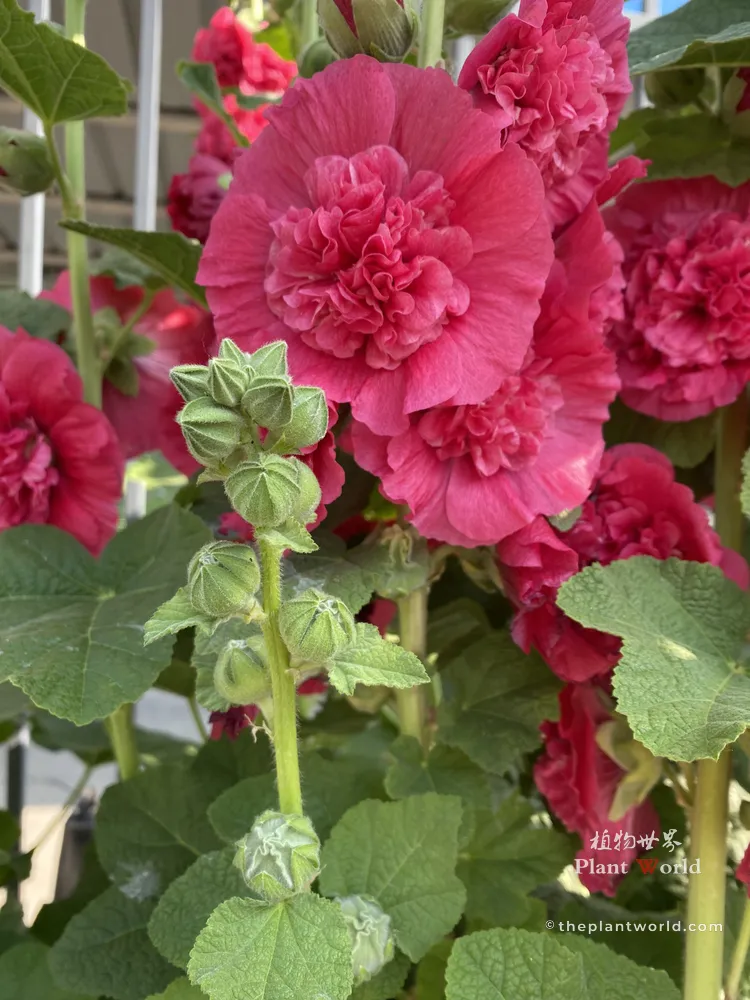
Capturing the powerful restorative potential of a single hollyhock plant. Every part shown here—from the sturdy stem to the unfolding leaves and the dense flower buds—is rich in natural mucilage, the soothing gel-like compound revered for its calming, moisturizing, and protective properties for the human body.
2. Gentle Organic Skincare Ingredient
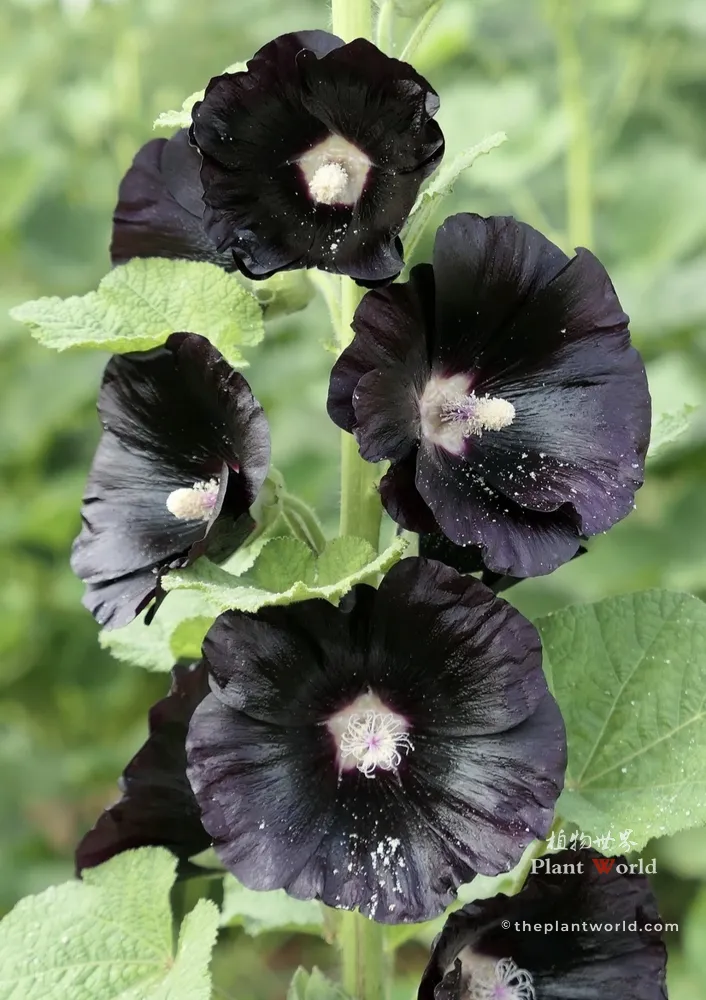
Hollyhock’s natural skincare potential remains one of its most underrated benefits. Its mucilage-rich texture locks in deep moisture, calms redness and inflammation, and softens dry, irritated skin. For generations, people have used cooled hollyhock floral infusions as a mild natural toner and soothing skin wash, ideal for sensitive complexions, sun-exposed skin, and minor topical irritations. Free from harsh synthetic additives, hollyhock provides gentle plant-based hydration suitable for all skin types.
3. Pollinator-Friendly Garden Superstar
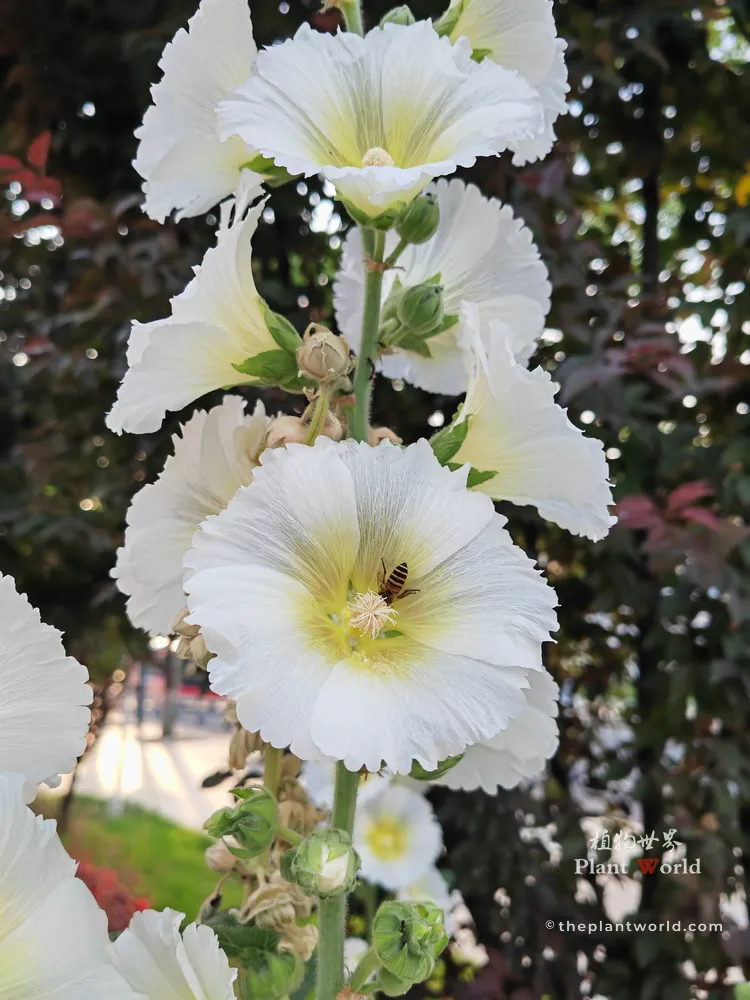
Hollyhocks are exceptional pollinator-friendly plants that boost backyard biodiversity throughout the summer months. Their tall flowering spikes produce ample nectar, consistently attracting bees, butterflies, and hummingbirds during the growing season. Extremely low-maintenance, drought-tolerant, and cold-hardy, they thrive with minimal intervention, making them a sustainable, eco-friendly option for new and experienced gardeners alike.
4. Historical Culinary & Dye Uses
In ancient rural communities across Europe and China, fresh hollyhock petals were steeped into mild herbal teas, adding a delicate floral taste and soft color to refreshing summer beverages. Additionally, the vibrant petals yield natural plant dyes, commonly used for traditional fabric coloring and handmade folk crafts.
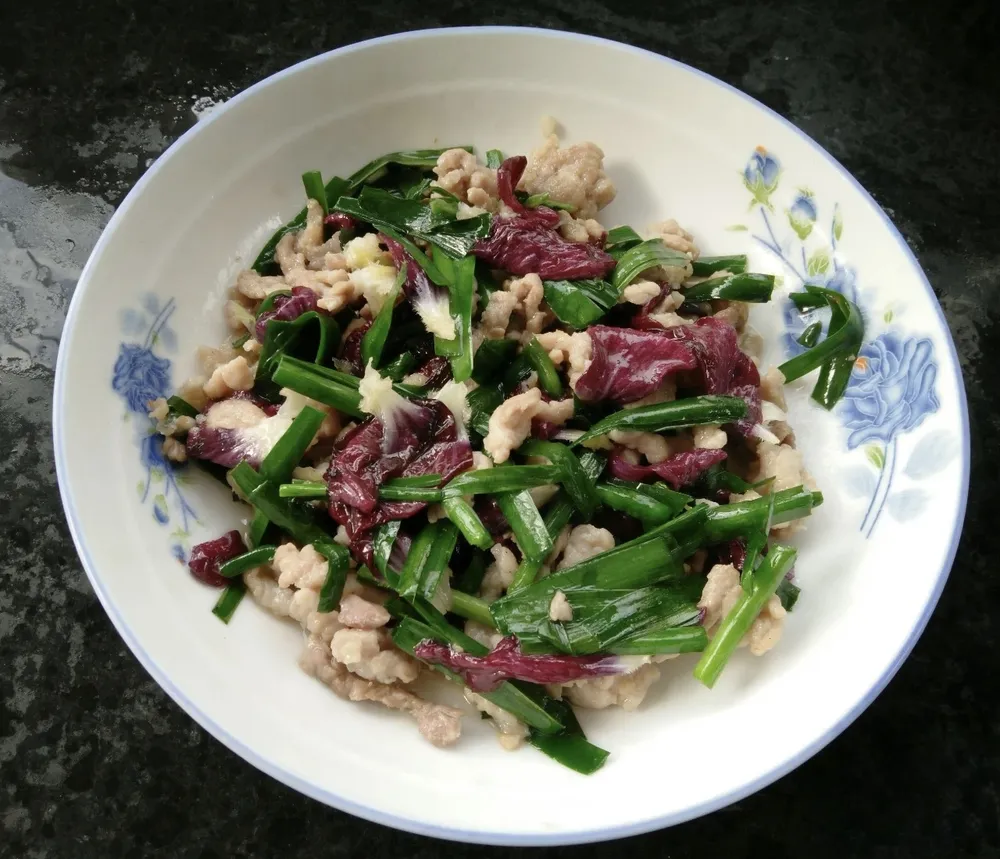
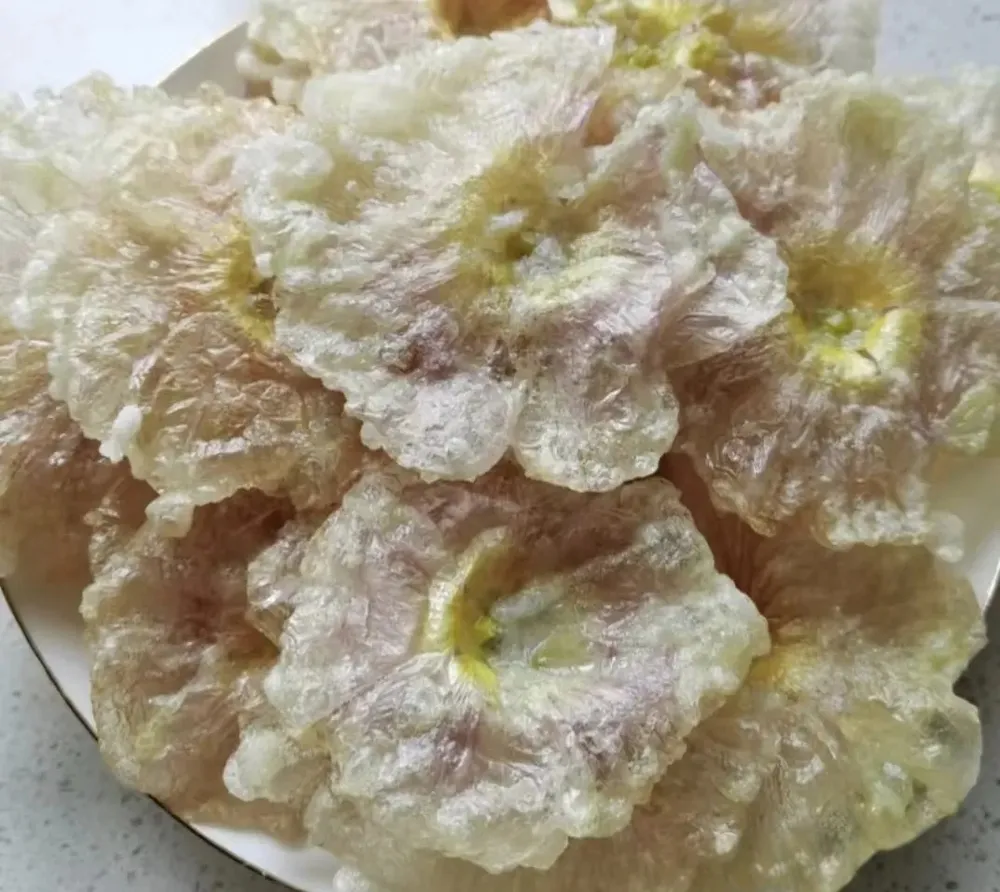
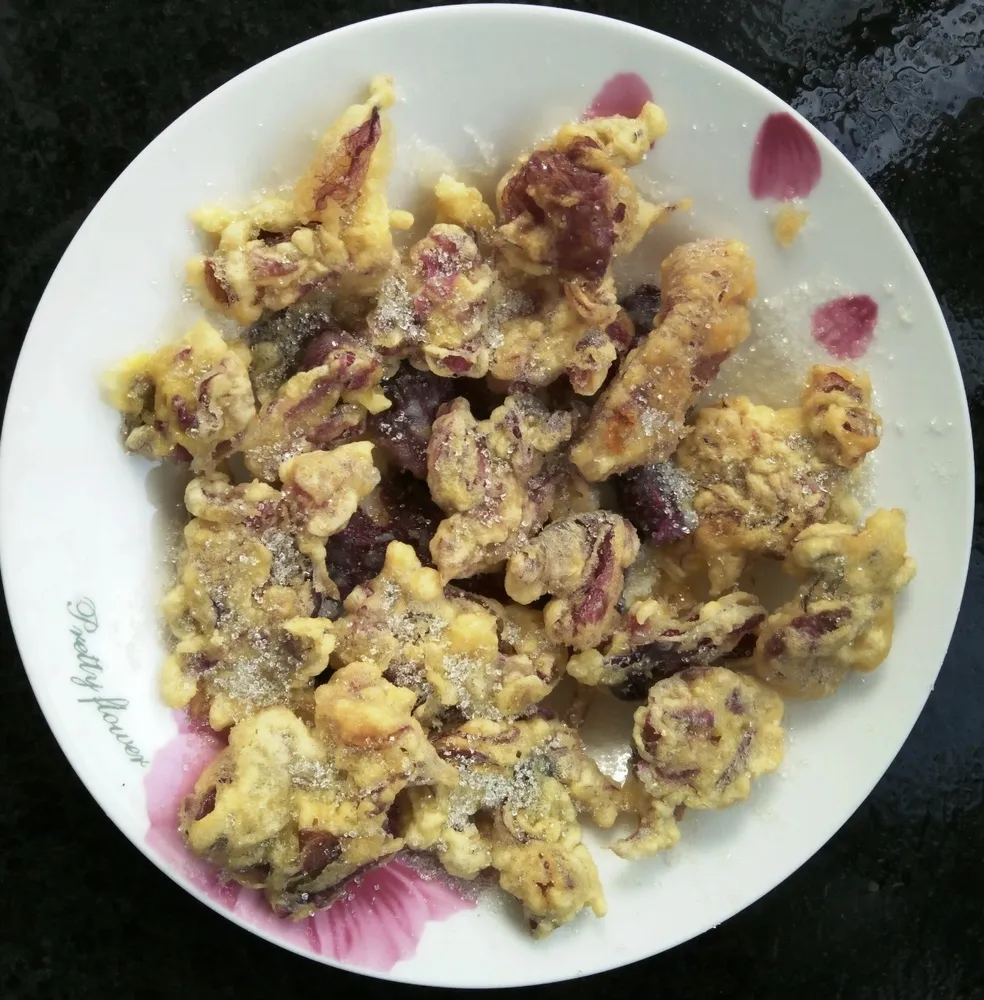
Today, hollyhock still holds edible value in Chinese culinary culture. Many people harvest fresh, pollution-free hollyhock blooms for home cooking. Popular homemade recipes include stir-fried shredded pork with hollyhock petals, deep-fried hollyhock flowers, and light hollyhock petal soup. These tender blossoms bring a subtle floral aroma and gentle sweetness to everyday dishes, continuing the long tradition of making use of this ornamental plant beyond decoration.
5. Pet & Human Safety: Non-Toxic Profile
A key advantage for modern family gardens is that hollyhock (Alcea rosea) is officially classified as non-toxic to humans, dogs, and cats by the ASPCA and global veterinary plant safety databases. Unlike many popular ornamental flowers that pose poisoning hazards, hollyhocks are completely safe for residential yards, playgrounds, and pet-active landscapes.

No toxic compounds exist in hollyhock petals, stems, or foliage. That said, extremely rare mild reactions may occur under specific conditions. Highly sensitive individuals or pets may experience slight skin redness after prolonged contact with fuzzy leaves, and overconsumption of the plant may trigger temporary mild digestive upset, such as loose stools. These minor reactions are not poisoning and require no urgent medical treatment.
Overall, hollyhock is a fully kid-safe and pet-safe perennial, perfectly suited for low-effort family gardening and inclusive landscape design.
The Dragon Boat Festival Flower: A Talisman in Chinese Art
In its native China, the historical significance of the hollyhock reaches a peak around the summer solstice. Here, it is affectionately known as the “Dragon Boat Festival Flower” (Duanwu Hua), blooming in perfect sync with one of the culture’s oldest traditional festivals. Historically, it wasn’t just admired for its towering beauty; it was regarded as a living talisman. Planted around courtyards and entrances, it was believed to ward off summer diseases and negative energies as the heavy seasonal heat arrived.
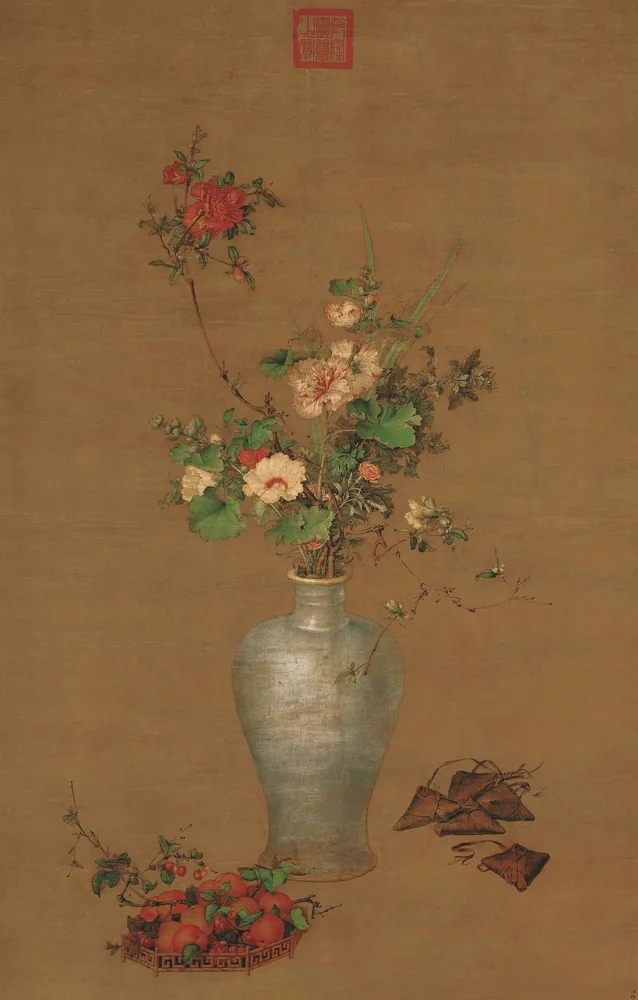
This deep-rooted cultural ritual gave birth to a specific genre in classical Chinese painting known as “Duanwu Scenery” (端午景). For centuries, master artists routinely featured the vibrant, sky-reaching hollyhock alongside other summer symbols like mugwort, pomegranate blossoms, and seasonal fruits. A prime historical example is “Vase of Flowers for the Dragon Boat Festival” (午瑞图) by the 18th-century imperial court painter Giuseppe Castiglione (Lang Shining). In this masterpiece, Western realistic shading meets Eastern symbolism, depicting bright hollyhocks arranged in a delicate porcelain vase alongside traditional festival elements. For the ancient Chinese, hanging such paintings in the central hall was an essential ritual to welcome the summer and bless the household with peace and health.
Cultural Legacy: A Flower Bridging East and West
Though widely celebrated as a classic European cottage garden flower, hollyhock originates from ancient Chinese botanical culture, with over 2,000 years of recorded cultivation history. Documented in ancient texts and integrated into traditional Chinese garden aesthetics, the flower traveled westward along ancient trade routes—much like Chinese Wisteria and other iconic Eastern ornamentals, eventually becoming a beloved staple in Western folk gardens and Victorian floriography.
Surviving artworks spanning Tang to Ming dynasties document hollyhock’s enduring presence within Chinese culture. Centuries later, after its westward journey, the flower became deeply beloved across Europe, clearly illustrating its role as a botanical bridge between East and West.
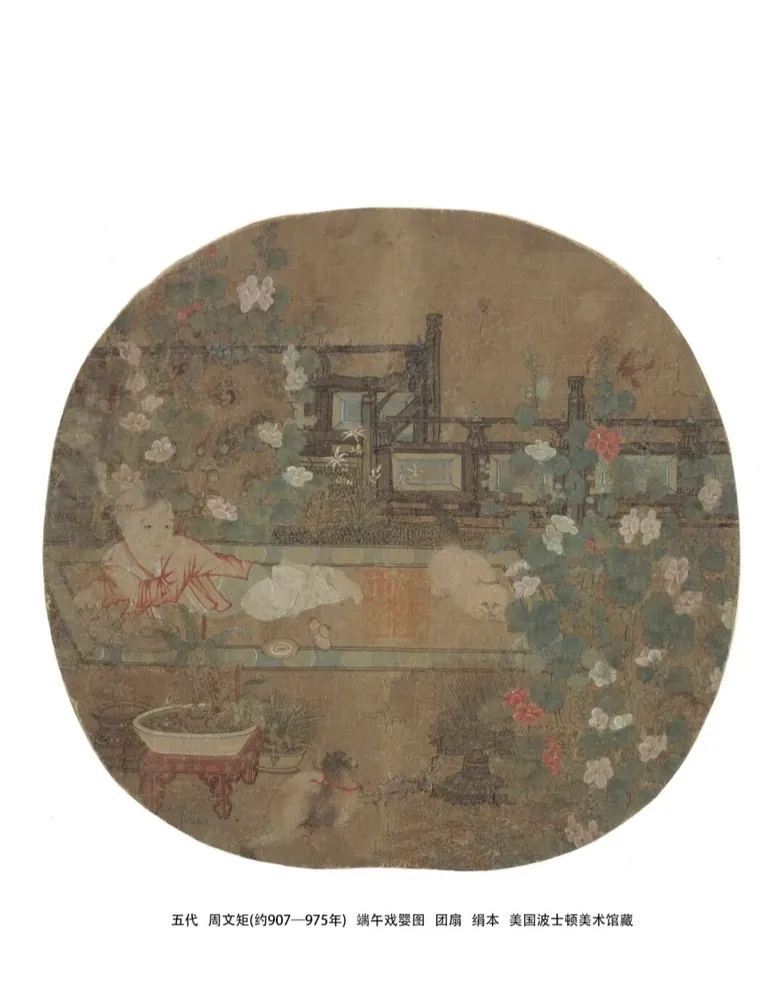
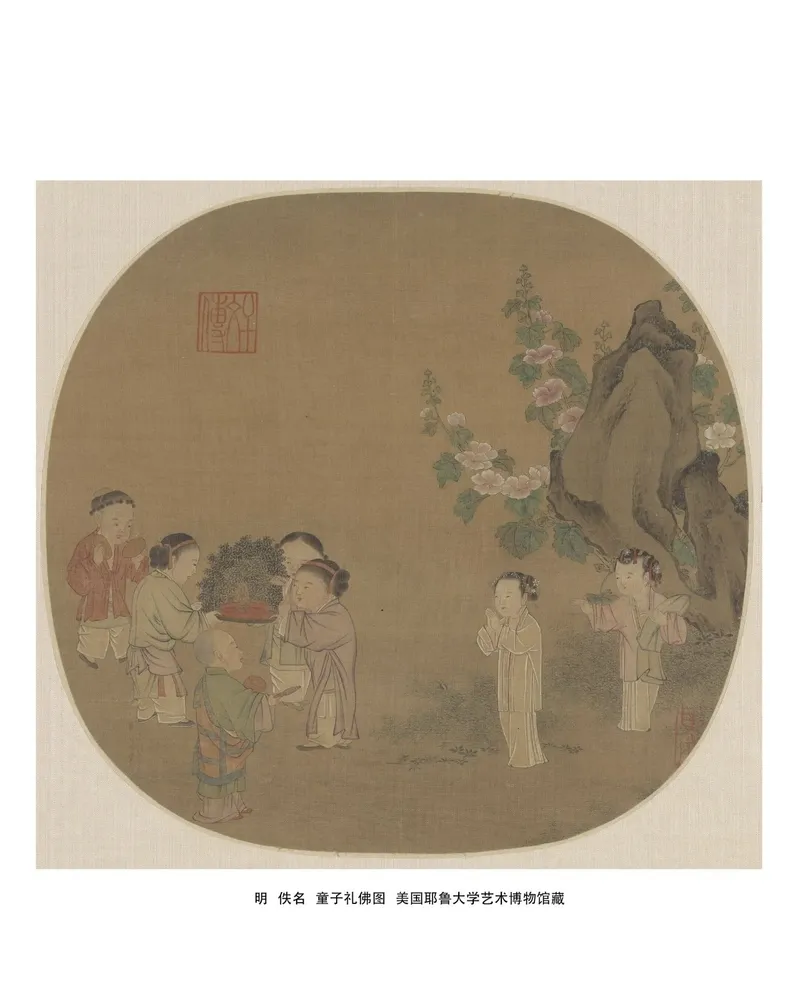
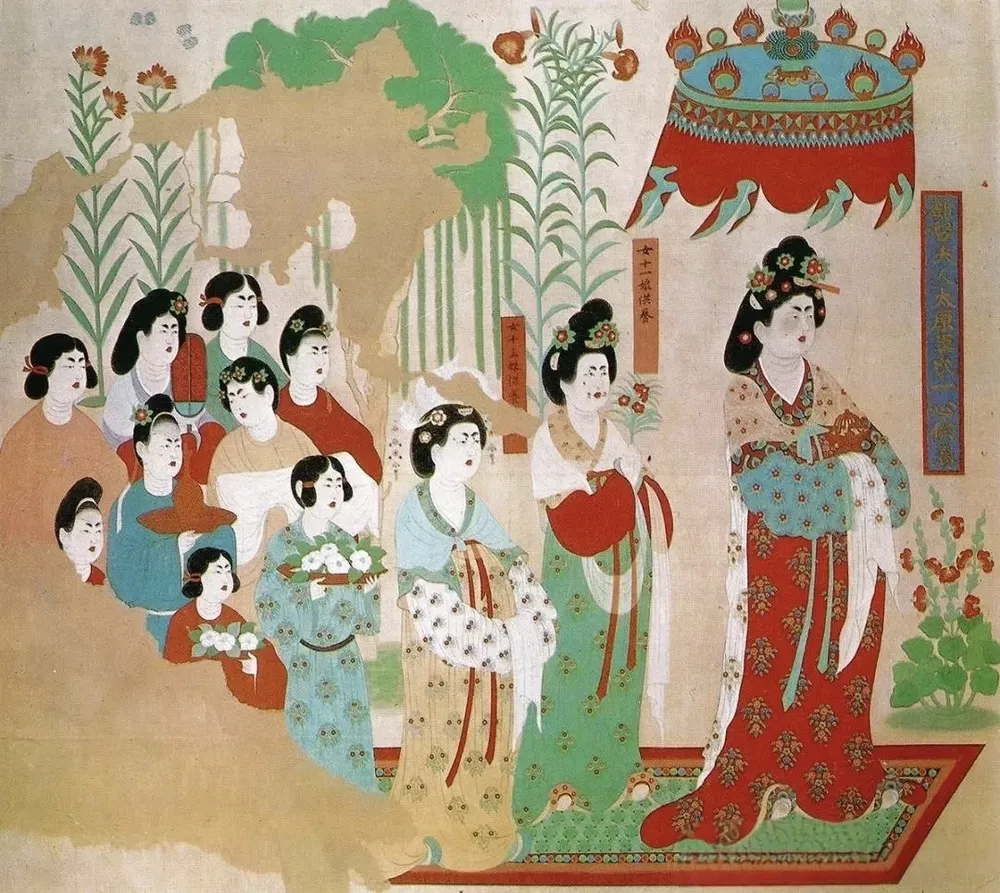
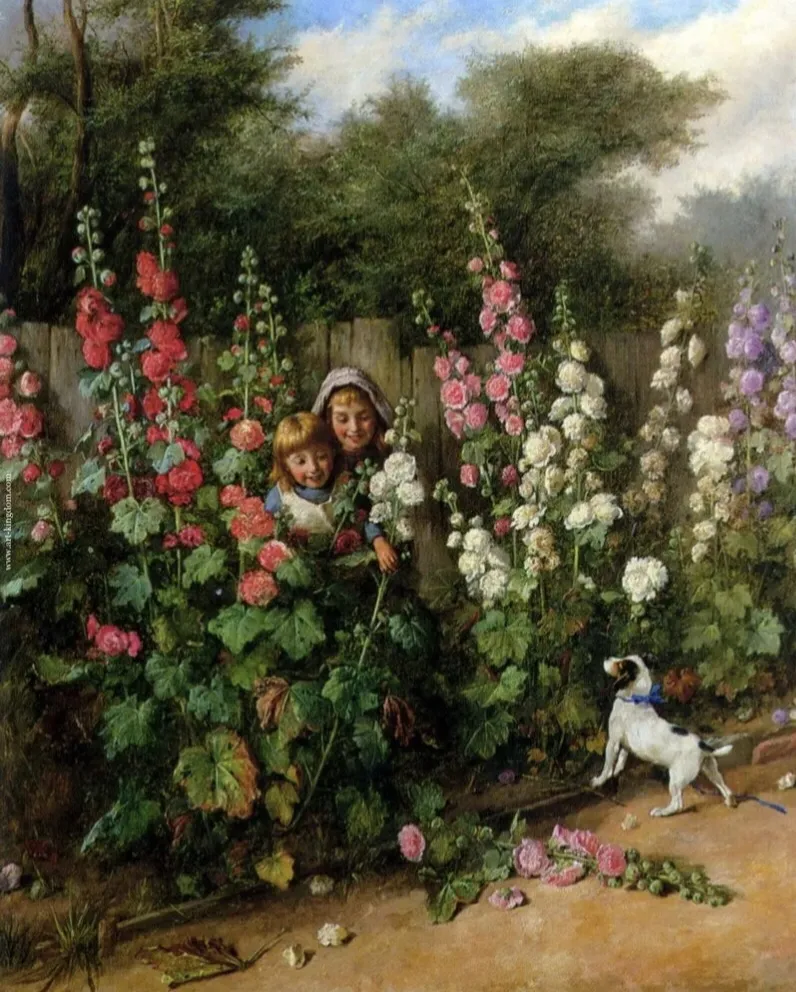
This remarkable cross-cultural journey makes the hollyhock uniquely special. It bridges ancient Eastern plant wisdom and Western folk tradition, uniting centuries of medicinal lore, symbolic depth, and timeless garden beauty into one resilient, elegant flower.
Final Thoughts
The hollyhock is far more than a nostalgic summer cottage flower. It is a symbol of ambition, quiet resilience, home protection, and abundant life, paired with valuable herbal remedies, gentle skincare properties, and eco-friendly garden benefits.
If you wish to explore more meaningful Chinese Garden Plants, you may read our articles about the symbolic meaning of Chinese flowers. For garden lovers who appreciate subtle beauty and ancient botanical wisdom, hollyhocks serve as a lasting reminder: those seemingly ordinary garden flowers often carry profound history and deep spiritual connotations.
Reference Sources
- Royal Horticultural Society. Alcea rosea (Hollyhock).
- University of California Agriculture and Natural Resources. Hollyhocks: Far-Traveling Flowers.
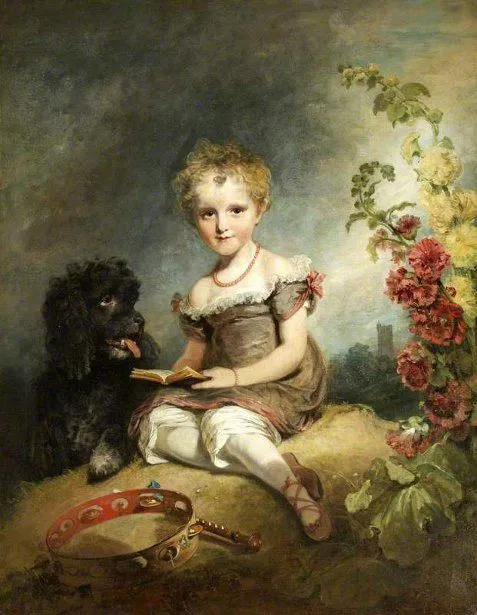
- National Trust Collections. Anne Hoare, Lady Mathew (d.1872).
- Dunhuang Academy Foundation. Hollyhock in Mogao Grotto Murals.
- The Old Farmer’s Almanac. Hollyhocks: Growing, History & Edible Uses.
More from The Plant World:
- Chinese Wingnut: The Romantic “Ingot Tree” and Its Cultural Charm
- Plum Blossom Meaning: Symbolism & Cultural Significance
- The Hidden Meanings Behind Red Plum Blossoms
- Chinese Wisteria: History, Symbolism, and Identification
- Peach Blossoms in China: History, Culture, and Symbolism
- Chinese Crepe Myrtle: Guide to Origins & Symbolism
- Ginkgo Leaf Meaning: 5 Secrets of This Ancient Fossil
- Chinese Loquat Tree: Guide to Benefits & History
- Rose of Sharon Tree: Guide to Meaning & Care
- Hosta Plant Benefits: 5 Surprising Uses & Planting Guide
- Strawberry Begonia Care: How to Grow Saxifraga Stolonifera
Discover more from The Plant World
Subscribe to get the latest posts sent to your email.