A Comprehensive Guide to Growing and Appreciating the Strawberry Begonia
Saxifraga stolonifera—most commonly known to plant parents and gardeners as the Strawberry Begonia or Creeping Saxifrage—is one of the charming shade-loving Chinese herbaceous plants, a delightful perennial shade herb native to China.
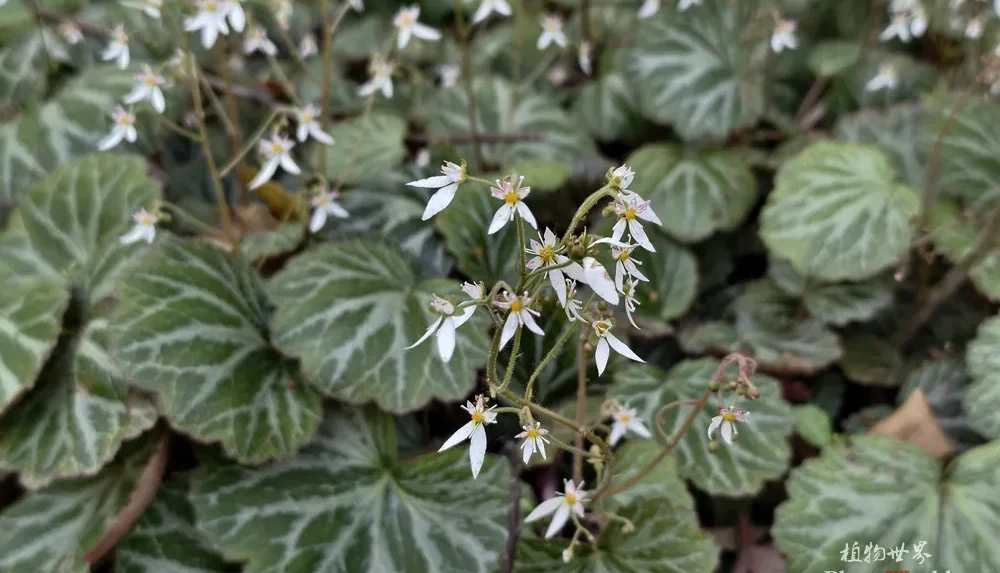
In its wild habitat, it beautifully carpets damp rock crevices under mountain forest canopies, showing off rounded, fuzzy leaves detailed with striking silvery veins. Long revered in traditional Eastern herbal folklore, this versatile species has become a global favorite as a resilient shade groundcover and an elegant hanging basket star. Mastering strawberry begonia care is simply a matter of mimicking these native mountainous environments.
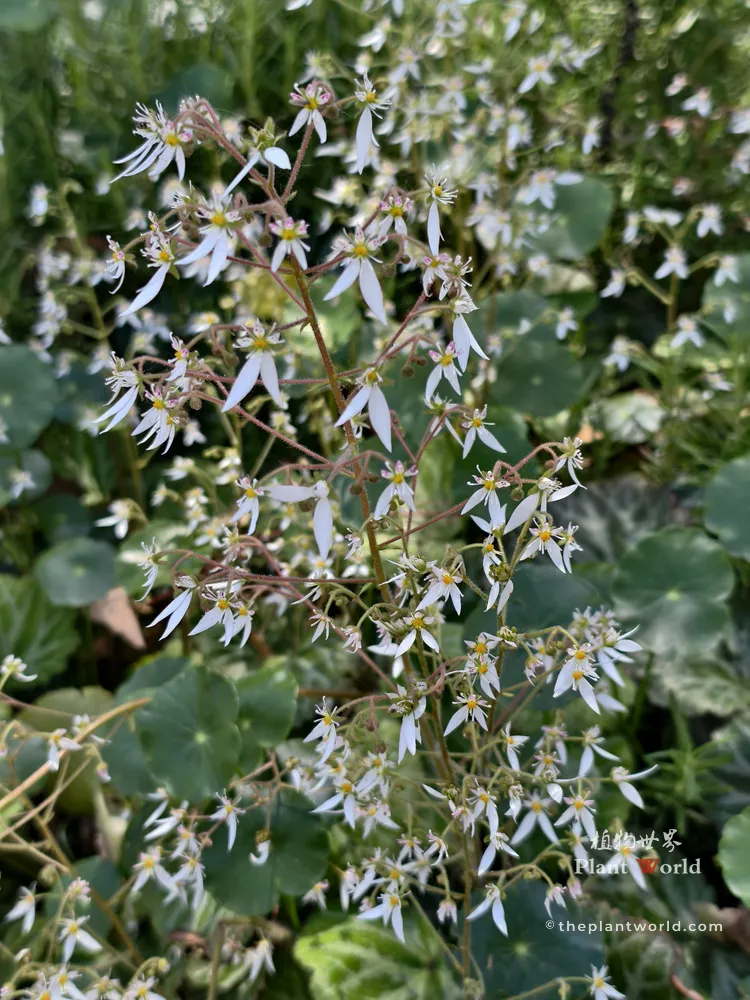
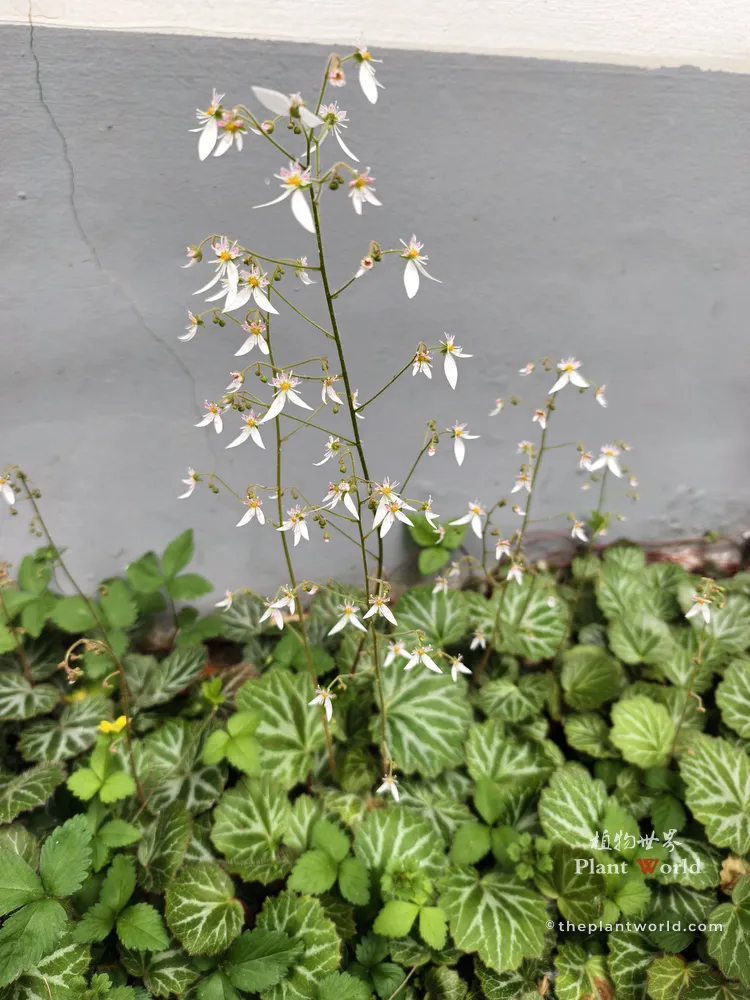
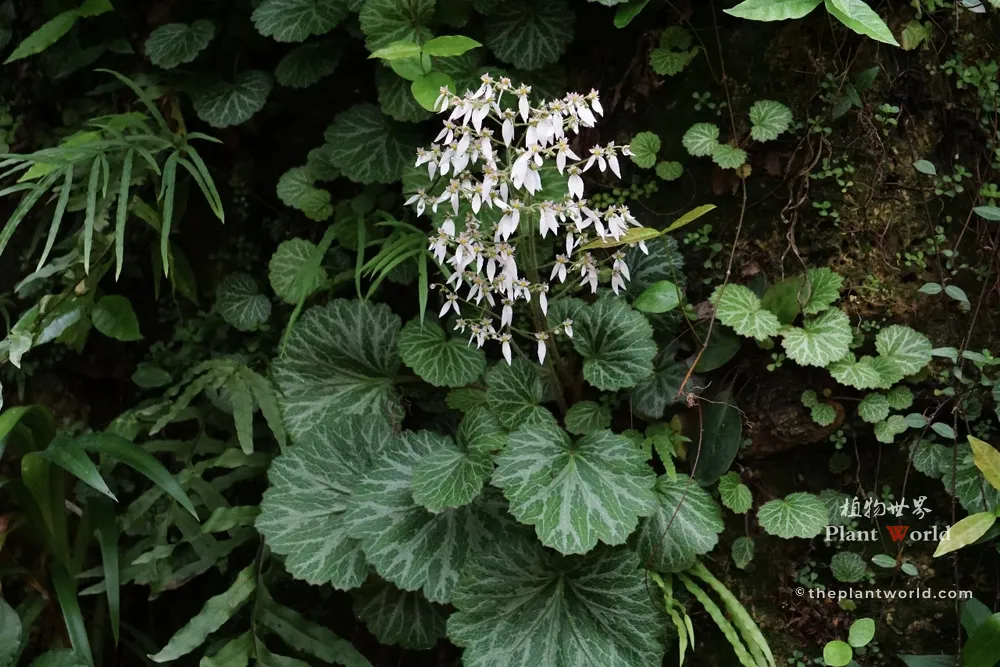
A spectacular mass blooming of Saxifraga stolonifera in the late spring garden.
1. Strawberry Begonia Care Guide (Pots & Outdoor Planting)
Light
This plant thrives in bright, indirect light, closely mimicking the checkered shade of a natural forest floor. Never expose it to harsh, direct midday sun.
Ideal Spots: Tucked neatly under tree canopies, gracing north-facing house walls, or nestled on the shaded side of garden rockeries.
Seasonal Note: While it tolerates soft morning sunlight during the winter, intense summer sun will quickly scorch the foliage. Conversely, deep, heavy shade will cause the trailing runners to become leggy and cause those gorgeous silver leaf markings to fade.
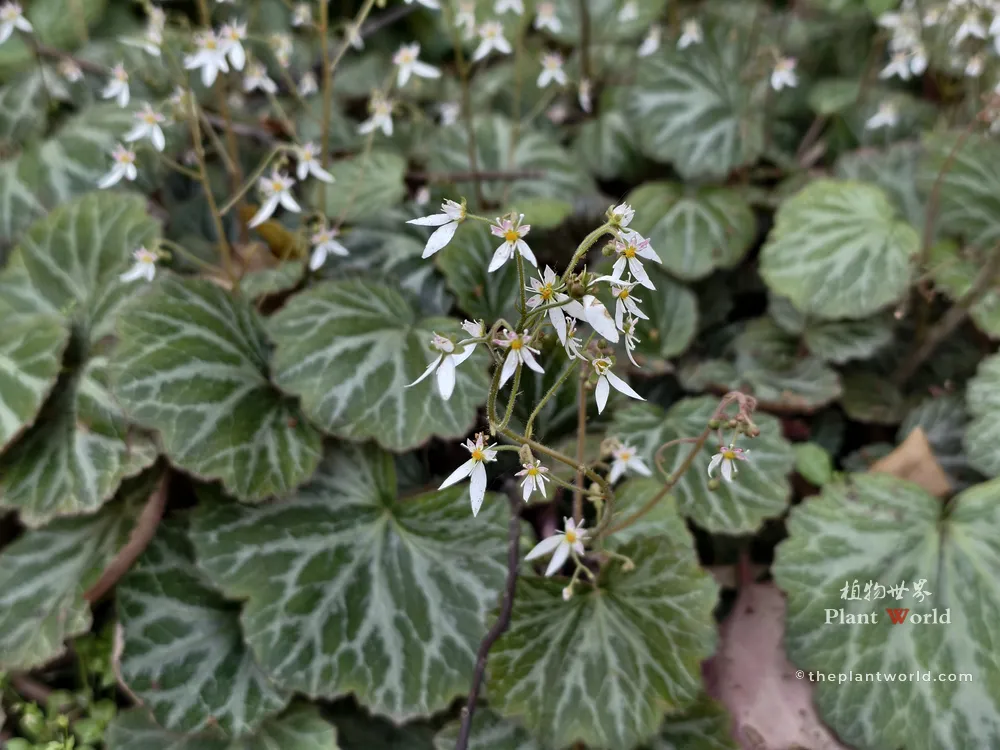
The perfect harmony of elegant blossoms and striking foliage on a single Strawberry Begonia plant.
Temperature & Hardiness
The sweet spot for active, vibrant growth is between 10–25°C (50–77°F).
Cold Hardiness: This native wild plant is surprisingly tough. It easily survives outdoor temperatures down to -10°C (14°F), which aligns with USDA Hardiness Zones 7–9. It stays evergreen all winter across regions south of the Yangtze River.
Variegated Cultivars: Fancier ornamental varieties (such as ‘Tricolor’) are significantly more tender and less resilient to the elements; keep them safely above 5°C (41°F) during cold months.
Summer Heat Management: Growth slows down sharply above 30°C (86°F). If a heatwave hits, boost local airflow and lightly mist the surrounding air to drop the ambient temperature around the foliage.
Soil
It requires loose, highly permeable, well-draining, and slightly acidic humus-rich soil.
Indoor Potting Mix: A blend of 7 parts peat-free potting mix (or rich leaf mold) and 3 parts coarse sand, perlite, or pumice works beautifully.
Outdoor Garden Beds: Break up heavy clay soil thoroughly. Mix in plenty of organic compost and a handful of small gravel to prevent standing water. If planting directly between landscape stones, lay down a thin gravel layer first to guarantee immediate drainage. Root rot happens very easily in waterlogged conditions.
Watering & Feeding
Keep the soil consistently and slightly moist, but never soggy or waterlogged.
Watering Routine: Water moderately in the spring and autumn during peak growth. In the hot summer, water exclusively during the early morning or late evening. Cut watering drastically in the winter when the plant enters dormancy, and always ensure rainwater drains away quickly after heavy storms.
Fertilization: Feed lightly only during the active spring and autumn seasons. Apply a highly diluted organic liquid fertilizer or a balanced slow-release plant food once a month. Stop all feeding entirely in high summer and freezing winter. Too much nitrogen will over-extend the stems, thin out the leaves, and wash out the distinct silver patterns. A small touch of potassium keeps the foliage structural and vibrant.
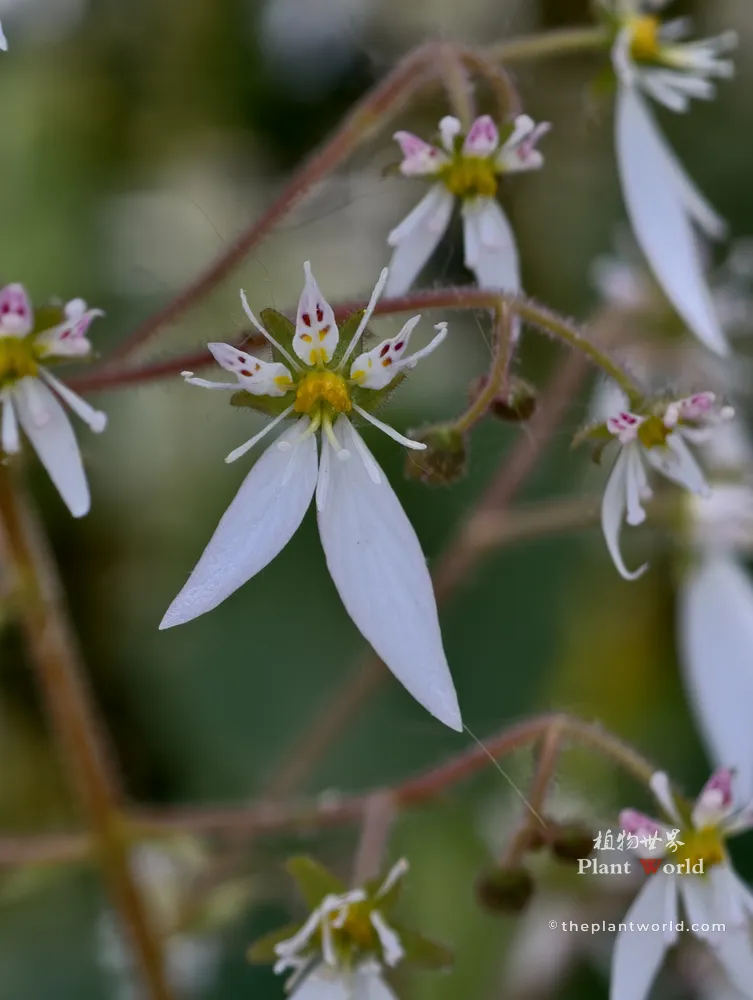
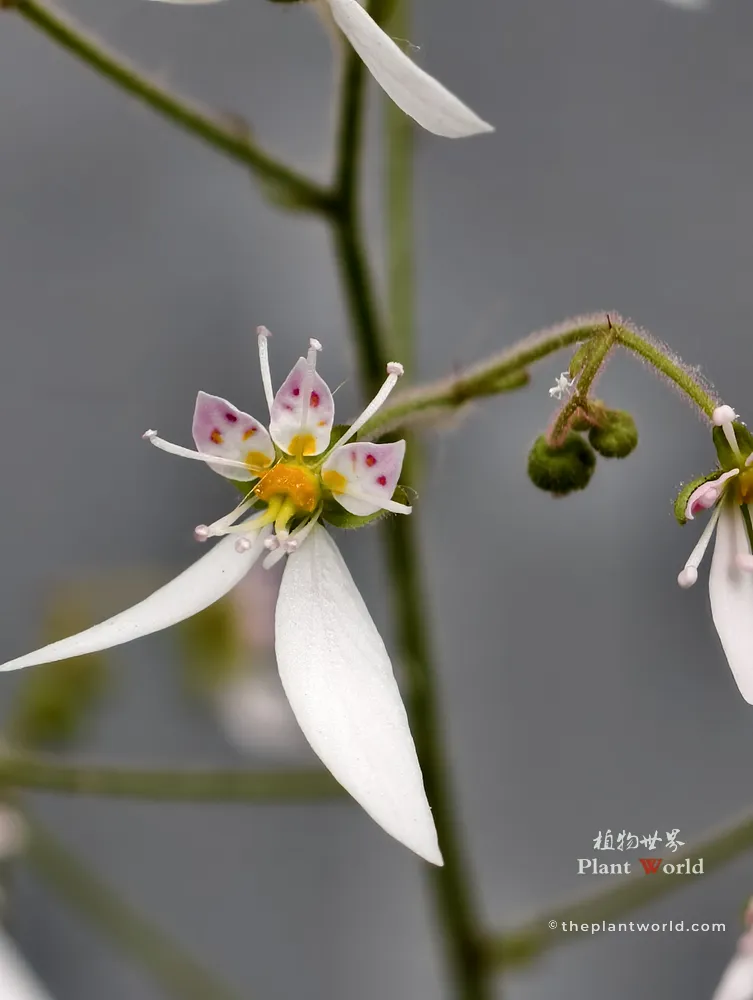
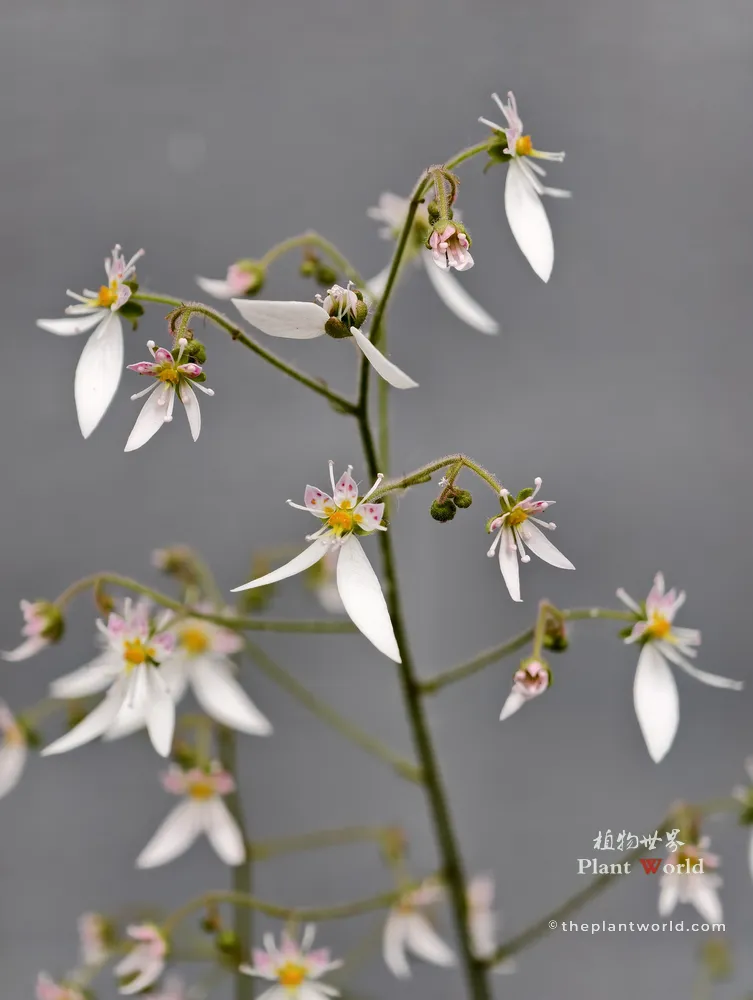
A macro view revealing the intricate color patterns on the petals of Saxifraga stolonifera.
Propagation & Pests
Propagation is incredibly rewarding and happens almost entirely on its own.
The “Runners”: The plant naturally sends out long, slender red runners that produce tiny baby plantlets (often called “pups” or “offsets”). As soon as these pups make contact with moist soil, they send down roots and establish themselves right away.
Garden Spreading: Outdoors, it will spread into dense, beautiful patches over time. To expand your collection early in the spring, simply pin down a trailing runner onto the soil surface until it roots, then snip it from the mother plant.
Pest Control: True pests and serious diseases are exceptionally rare. However, in stagnant, humid air, leaf spot or powdery mildew can occasionally manifest. Space your plants out well to encourage good airflow and avoid wetting the leaves late in the evening. Simply pick off any damaged leaves by hand if they appear; no harsh chemical pesticides are needed.
Saxifraga stolonifera in a Chinese courtyard, showing its timeless appeal in traditional garden design.
Because of its short, creeping habit, the Strawberry Begonia functions primarily as a low-profile foreground groundcover. It should never be interplanted with tall, sun-loving flowering species that will crowd it out.
Combination 1: The Woodland Shady Border
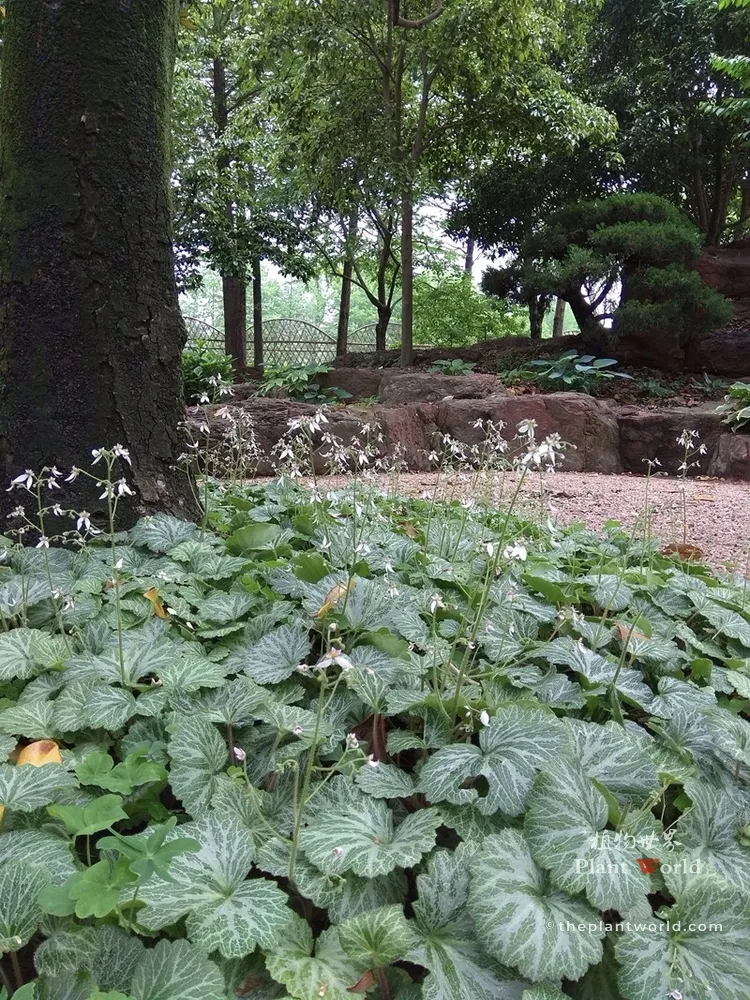
Saxifraga stolonifera working beautifully as a low-maintenance, shade-loving groundcover under mature trees.
Create a natural, tiered look by arranging plants from tallest to shortest:
Upper Layer:Acer palmatum (Japanese Maple) or Sweet Osmanthus to cast a soft, dappled canopy.
Ground Layer: Mass-plant Saxifraga stolonifera to fill in the low gaps between stepping stones, paths, and taller perennials.
Why it works: All of these species share a deep preference for shade and damp, rich soil, minimizing maintenance while establishing a lush, wild woodland aesthetic.
Combination 2: Rockery & Waterside Landscaping
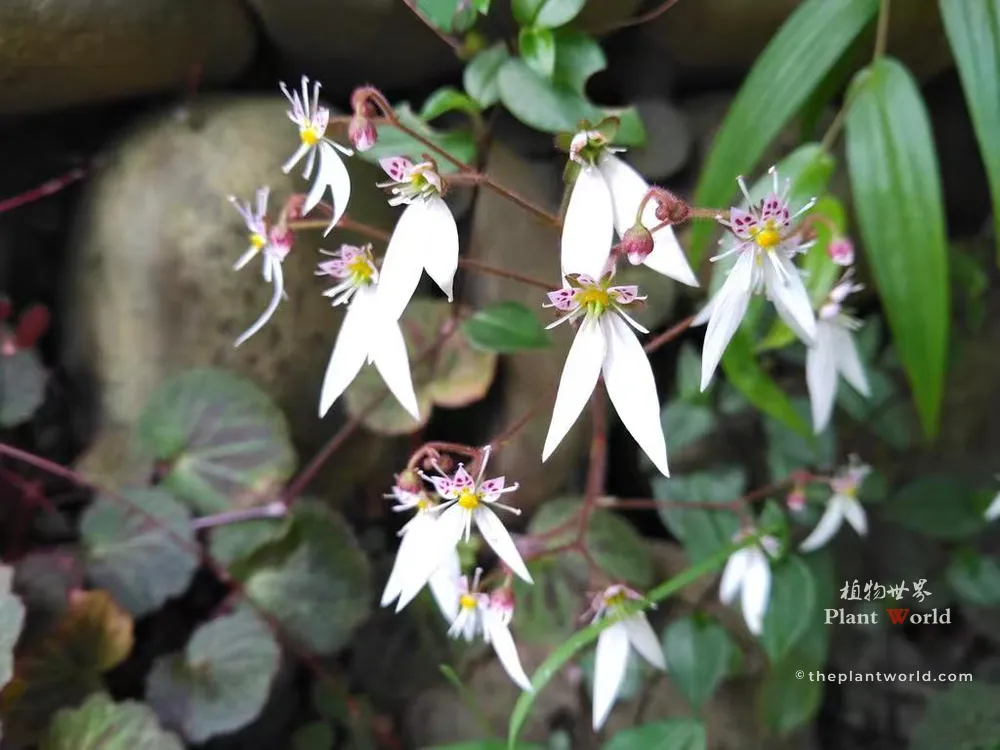
Saxifraga stolonifera blossoms growing wildly near natural landscape stones.
Rock Crevices (Shaded Face): Nestle the saxifrage deep into stone pockets alongside natural moss. Its bright red runners will cascade gracefully down the rock faces, creating an ancient, mountain-side atmosphere.
Pond & Stream Edges: Plant it along damp, elevated riverbanks right alongside Grassy Sweetflag (Acorus) and Pennywort.
Architectural Shaded Corners: Use it as a dense, low-maintenance lawn alternative alongside north-facing garden walls and stone steps. It stays lush and green year-round with almost zero trimming required.
💡 Important Maintenance Note: Trim back over-ambitious runners occasionally if they begin to encroach on smaller, delicate neighboring plants, and avoid planting it in low-lying garden pockets where heavy rainwater naturally pools.
It thrives in shaded rock crevices and damp courtyard corners, making it a delightful Chinese Garden Plants.
A close-up look at the unique, tiny blossom of the Strawberry Begonia (Saxifraga stolonifera).
The botanical name Saxifraga literally translates from Latin as “stone-breaker” (saxum meaning stone, and frangere meaning to break). This diminutive herb earned its name by firmly taking root in the narrowest, most inhospitable mountain cracks, slowly fracturing stone over generations. It serves as a classic symbol of quiet perseverance, inner strength, and the beautiful ability to thrive amidst severe hardship. Placing it on a study desk or courtyard corner serves as a steady reminder of long-term effort and gradual success.
A captivating detailed close-up of the Saxifraga stolonifera (Strawberry Begonia) blossoms, highlighting their asymmetrical elegance and intricate pink markings.
Literary Symbol: Quiet, Faithful Devotion
The plant achieved timeless literary fame through Shen Congwen’s classic Chinese novel Border Town («边城»). The young, innocent heroine, Cuicui, dreams of picking these wild “tiger-ear” leaves along steep, perilous cliffside edges. In literary contexts, it represents an incredibly sincere, quiet, and pure devotion—a love that completely foregoes grand, empty gestures, choosing instead to wait faithfully and patiently through the passing years.
Traditional Folk Blessings
Historical Chinese herbal records, including Li Shizhen’s renowned Compendium of Materia Medica («本草纲目»), note that scholars and historical figures cultivated this grass on ornamental rockeries centuries ago. Its traditional Chinese name, “Tiger-Ear Grass” (虎耳草), evokes the raw vitality and quiet vigor of nature. Growing it symbolises an endless, adaptive life force.
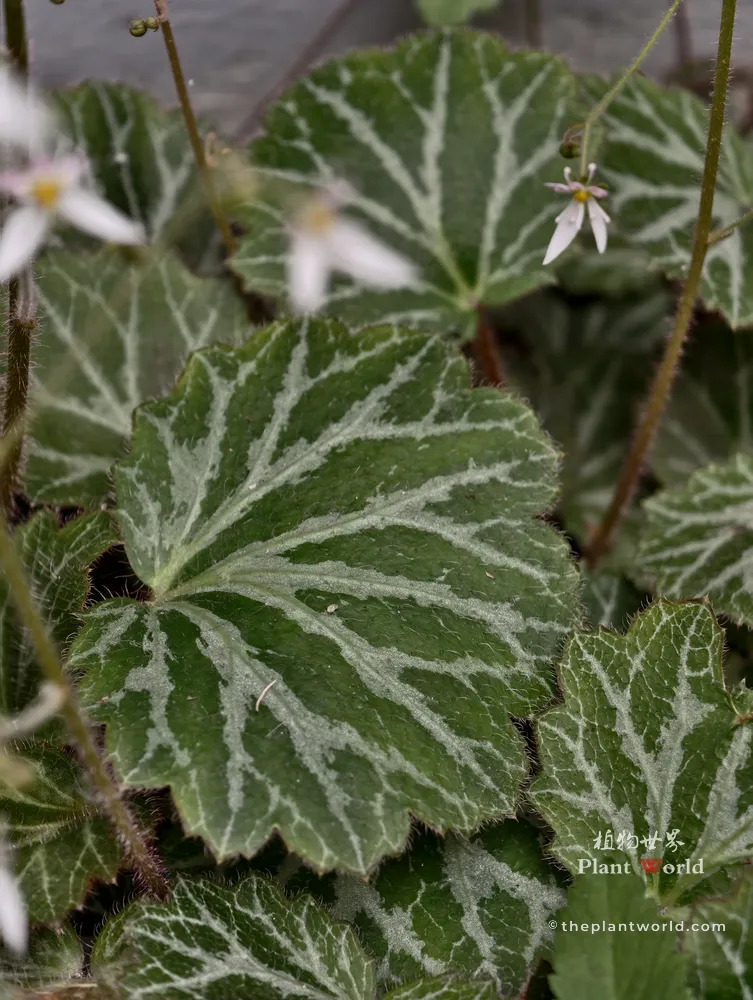
The fuzzy, textured green foliage of the Strawberry Begonia, traditionally named “Tiger-Ear Grass” in China.
⚠️ Extra Safety & Practical Tips
Toxicity: While historically utilized in traditional external poultices, the raw plant contains mild irritant toxins. Keep it out of reach of curious pets and small children who might accidentally ingest the fuzzy leaves.
Selection: The plain green wild-type saxifrage spreads and roots significantly faster than highly variegated ornamental cultivars, making it the superior, cost-effective choice for sweeping, large-scale outdoor groundcover projects.
Saxifraga stolonifera in full bloom, showcasing its ethereal white flower panicles against a dense backdrop of patterned, velvet-textured foliage.
References & Botanical Sources
Li, S. (Ming Dynasty). Compendium of Materia Medica (《本草纲目·草部·虎耳草》).
Chen, H. (Qing Dynasty). The Flower Mirror (《花镜·卷五·花草类》).